MISIS University students win an International Olympiad
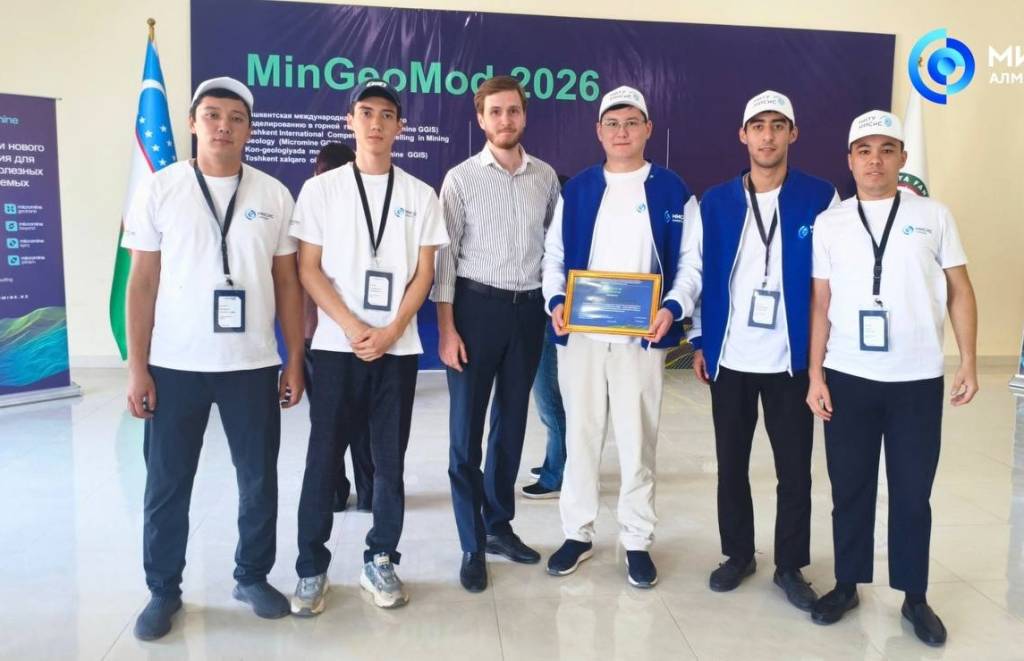
Today, using digital technologies effectively in the mining and geological sector is essential not only to improve production processes but also to train a new generation of industry specialists. Analyzing geological data, creating three-dimensional models, and digitally assessing mineral deposits are now practical skills that define a modern mining specialist.
Held in Tashkent region’s Bostanlyk district, the MinGeoMod 2026 International Olympiad provided an important scientific and practical platform to test knowledge and skills in these areas.
Held at the Geologist camp in cooperation with the Ministry of Mining Industry and Geology of the Republic of Uzbekistan, the Ministry of Higher Education, Science and Innovation, and Micromine Australia’s representative office in Uzbekistan, the International Olympiad on digital modeling in the mining and geological sector brought together 11 teams from 11 higher education institutions. Each team included four students, bringing the total number of participants to 44. They included students from the National University of Uzbekistan, Tashkent State Technical University named after Islam Karimov, the University of Geological Sciences, the Almalyk branch of the National University of Science and Technology MISIS, and Navoi State University of Mining and Technologies, alongside students from leading universities and vocational education institutions in Kazakhstan and Tajikistan.
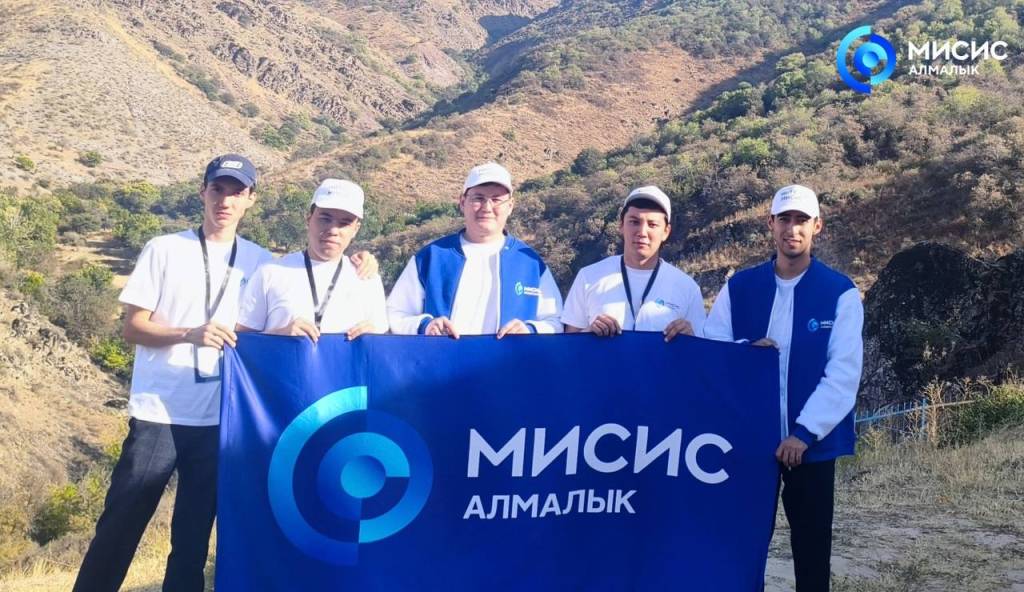
In this respect, the MinGeoMod 2026 Olympiad was more than a conventional competition. It gave young specialists from different countries the chance to test their knowledge and practical skills, exchange experiences, and showcase their approaches to using digital technologies in geology and mining.
The Olympiad’s main objective was to build practical skills in using modern digital technologies for geological and mining operations, particularly the Micromine software suite. Participants were expected to do more than follow a predefined algorithm: they had to create a digital geological model independently, using real geological exploration data. They first processed the drilling-well database and sampling results, then moved on to more complex tasks: delineating ore bodies, building three-dimensional wireframes, creating a block model, and interpolating mineral grades.
In other words, the competition covered the full process, from the initial analysis of geological data to the creation of a complete 3D digital model. The MacroMiner MISIS team from the Almalyk branch of the National University of Science and Technology MISIS included Mining Engineering students H. Turgunov, O. Umirzoqov, L. Nasrullayev, and H. Sanaqulov.
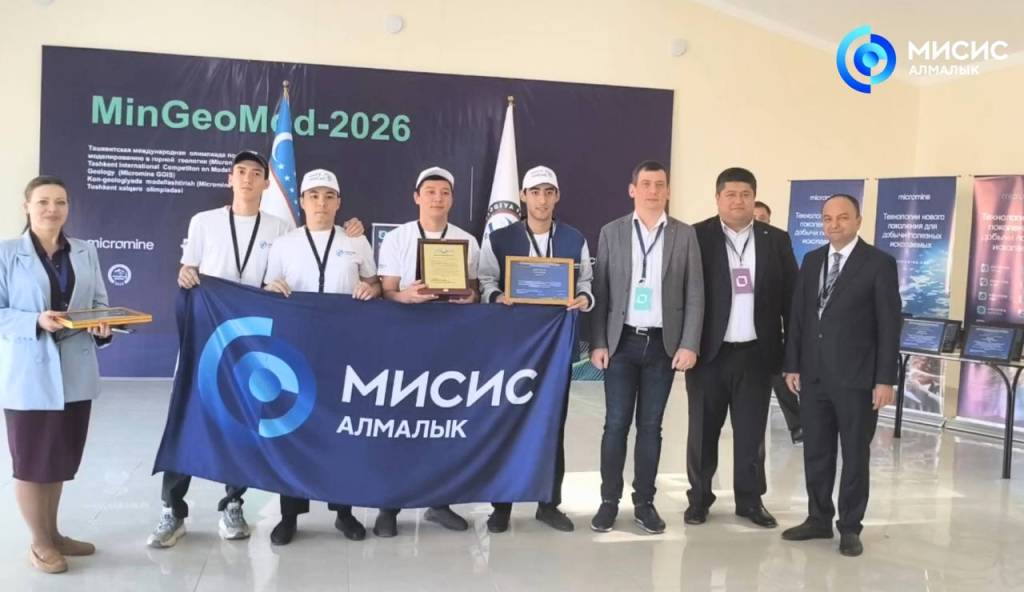
The students’ task involved more than carrying out individual operations in Micromine. They also had to develop a consistent workflow for transforming raw geological exploration data into a complete three-dimensional digital geological model.
During the work process, the team systematically completed several stages: data validation and statistical analysis, calculation of ore composites, contouring of ore intervals and defining geological boundaries, construction of three-dimensional wireframes of ore bodies, creation of a block model, interpolation of gold grades, and adjustment of search ellipsoid parameters and estimation confidence settings.
As a result, the team created a three-dimensional block model of the gold grade distribution. They presented more than the final calculations, explaining the reasoning behind each technological decision. This demonstrated not only the participants’ practical skills with the Micromine software suite, but also their understanding of geological processes and modelling logic, as well as their ability to interpret the results professionally.
According to the final results of the international Olympiad, the MacroMiner MISIS team took first place. The Almalyk branch students’ performance in the competition highlights the importance of combining theoretical knowledge with practical tasks in the educational process. In modern mining, digital technologies play an increasingly important role at every stage, from collecting and processing geological data to creating and evaluating digital models of mineral deposits.
The MacroMiner MISIS team’s victory also underscored the Almalyk branch of the National University of Science and Technology MISIS’s strong commitment to training mining specialists skilled in modern digital technologies.
As demand grows for geology and mining specialists with in-depth knowledge of digital technologies, the ability to analyze geological data, and the skills to solve complex production tasks using digital tools, student participation in these international platforms offers an important opportunity to test theoretical knowledge and gain professional experience.
A. Musayev, UzA