Tribute paid to the memory of Lal Bahadur Shastri
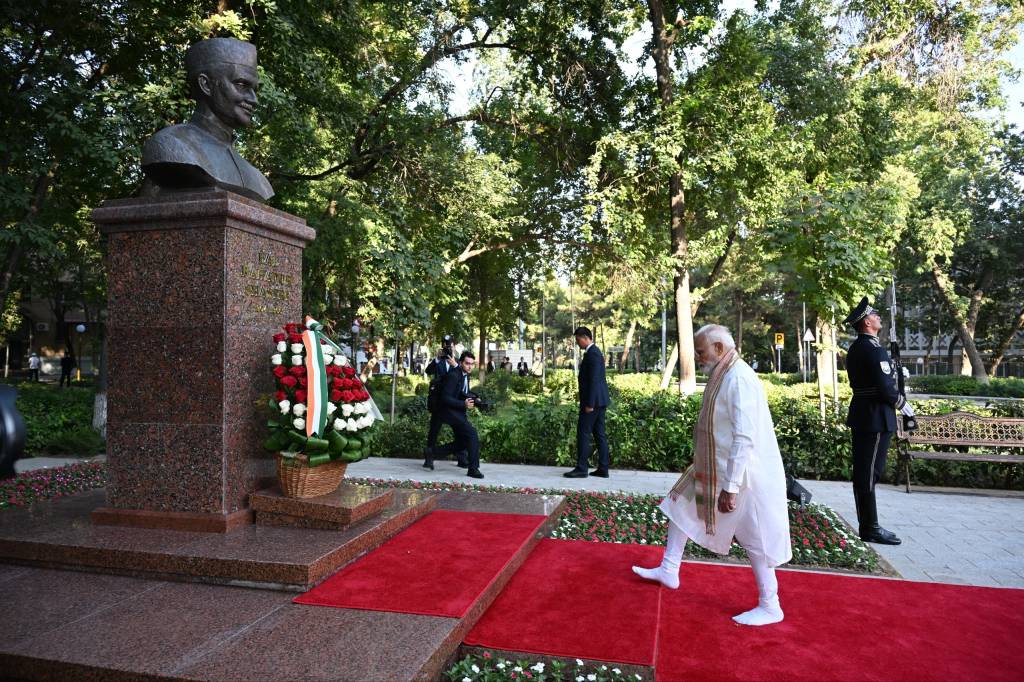
The Prime Minister of the Republic of India Narendra Modi, who is on a state visit to Uzbekistan, laid flowers at the monument to the outstanding Indian statesman Lal Bahadur Shastri on August 30.
The distinguished guest was accompanied by the Prime Minister of the Republic of Uzbekistan Abdulla Aripov and other officials.
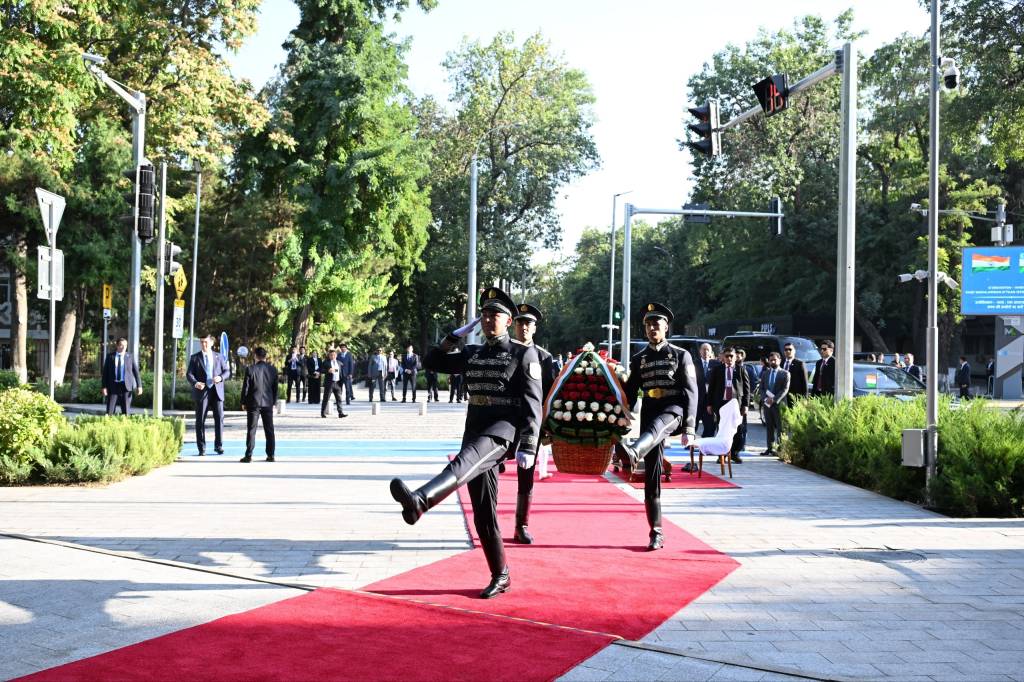
Relations with India have a long-standing significance in Uzbekistan’s history and diplomacy. Currently, these ties are strengthening via active political dialogue, increased cultural and humanitarian exchanges, and expanding economic cooperation.
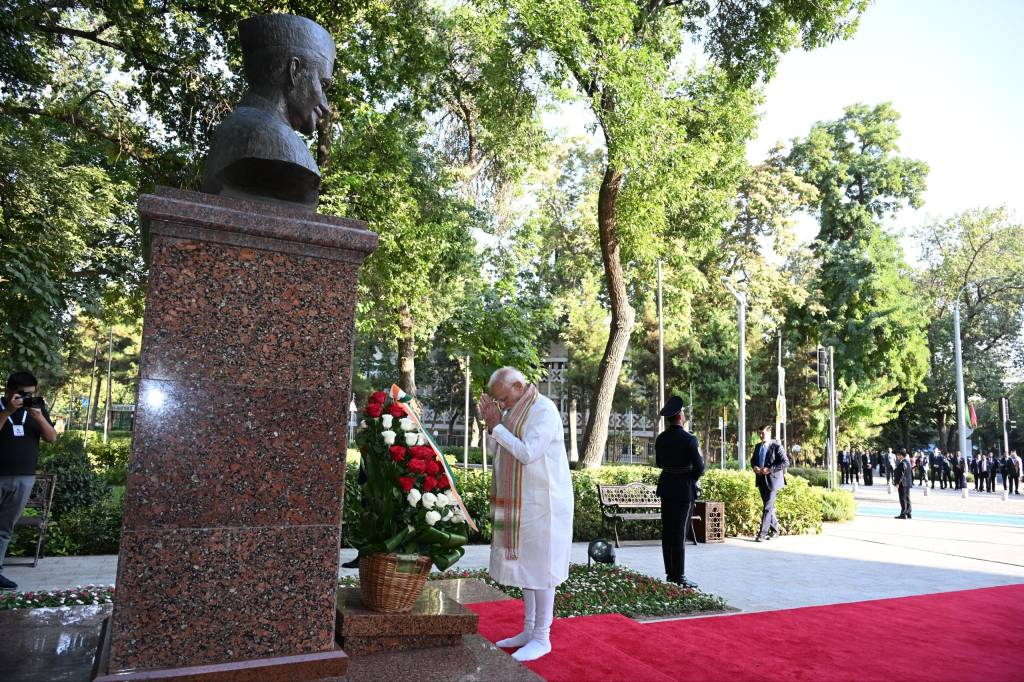
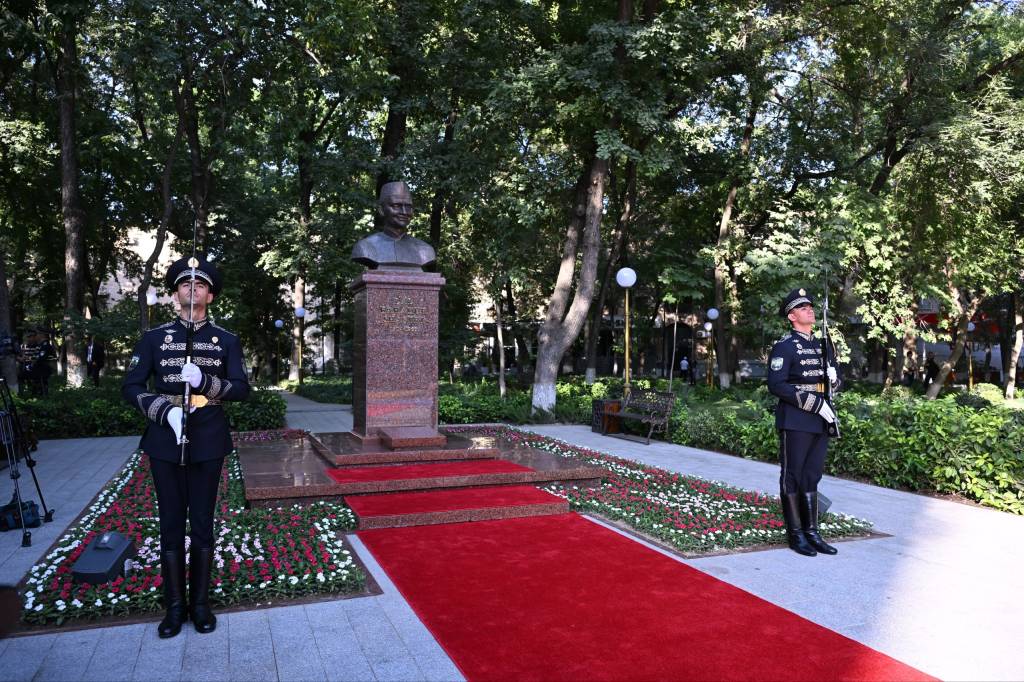
A prominent symbol of the enduring friendship and shared history between the two nations is Lal Bahadur Shastri Street in Mirzo Ulugbek district of Tashkent, along with the memorial complex situated there.
The memorial’s history is inextricably linked to the tragic events of January 1966, when Tashkent hosted peace negotiations. On January 10 of that year, India’s Prime Minister Lal Bahadur Shastri and the President of the Islamic Republic of Pakistan Mohammad Ayub Khan signed the historic Tashkent Declaration.
A few hours after signing the document, the Prime Minister of India unexpectedly died of a heart attack at his Tashkent residence.
A bronze bust of Lal Bahadur Shastri was installed in central Tashkent to honor his legacy as a great son of the Indian people, and the nearby square was named in his honor.
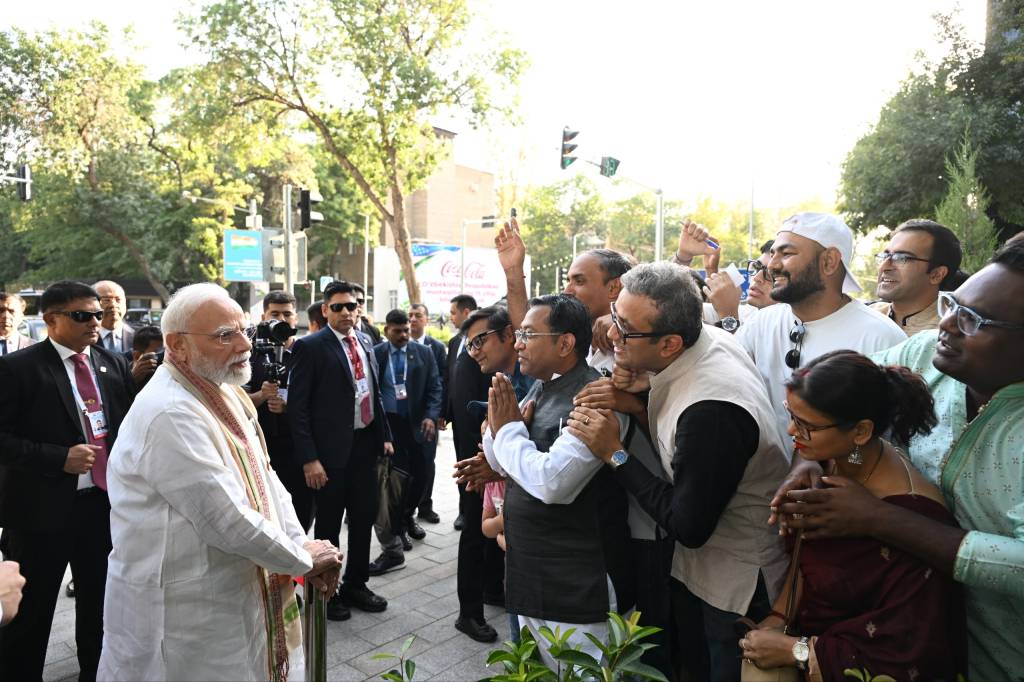
Today, the Lal Bahadur Shastri Memorial Complex and the surrounding street are important symbols of friendship between Uzbekistan and India. The memorial complex is regularly visited by high-ranking Indian delegations, diplomats, and guests arriving in Uzbekistan to pay tribute to the outstanding statesman.
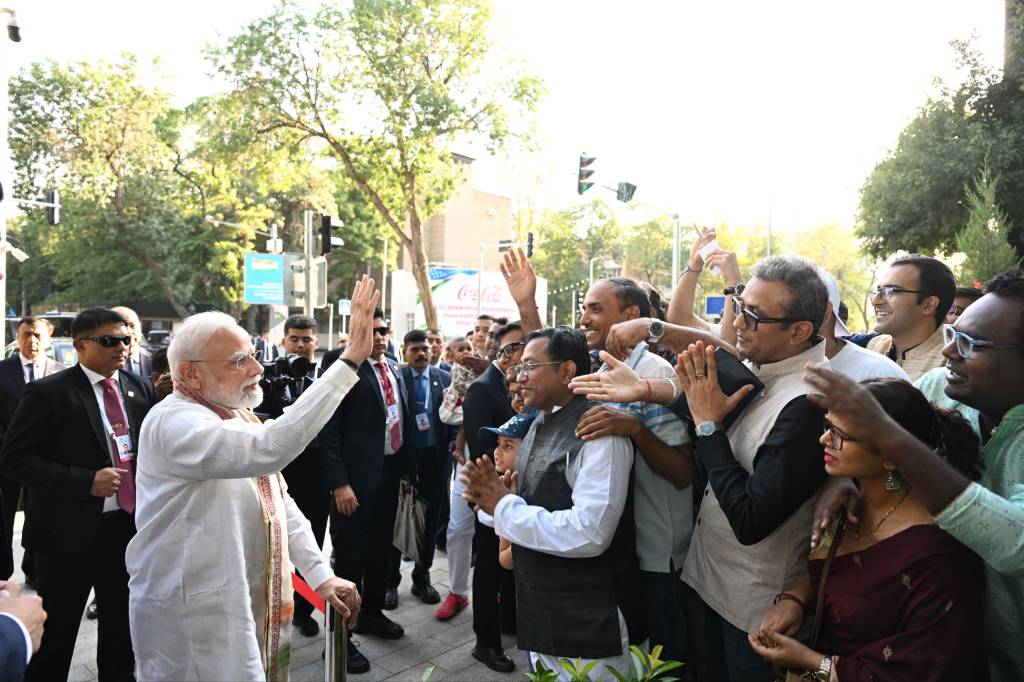
The Prime Minister of India Narendra Modi paid tribute to the memory of Lal Bahadur Shastri, noting his immense contribution to the development of friendly relations between India and Uzbekistan.
Abdulaziz Rustamov, photos by Nosirjon Haydarov, UzA