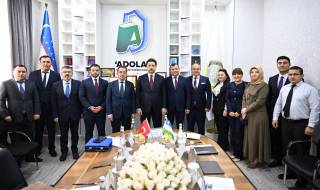
The Law Enforcement Academy of Uzbekistan has been awarded the status of a CIS basic educational organization for combating corruption
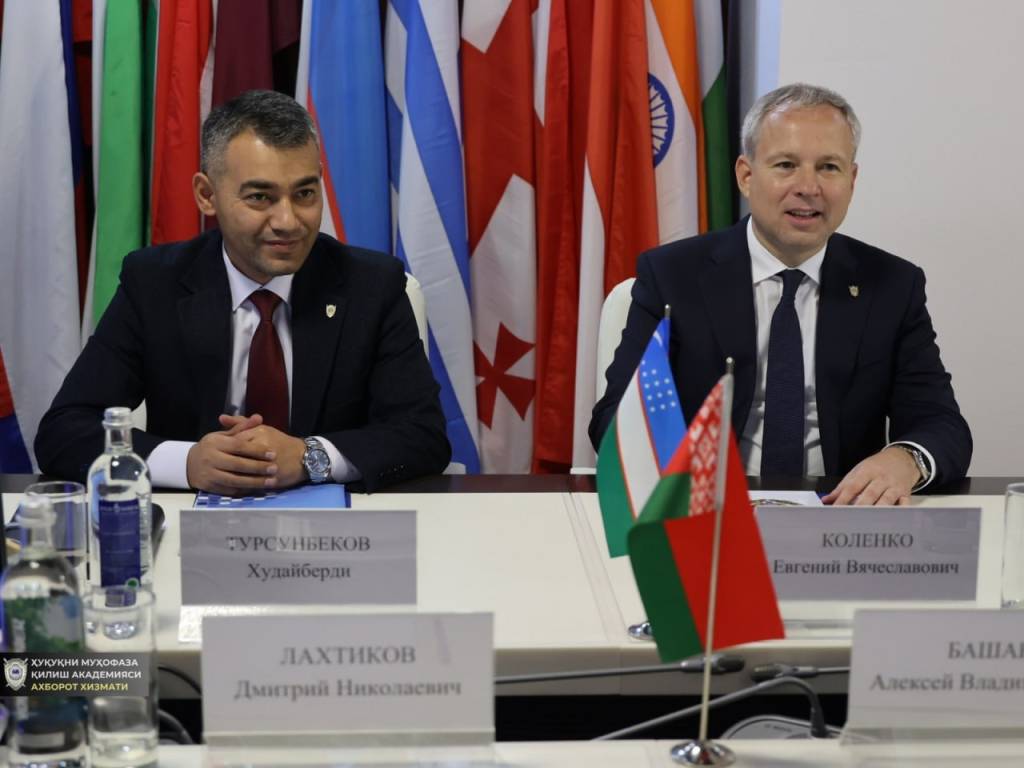
The Uzbekistan Law Enforcement Academy delegation took part in the 11th meeting of the CIS Interstate Council on Combating Corruption in Minsk.
Heads of authorized state bodies from Armenia, Belarus, Kazakhstan, Kyrgyzstan, Russia, Tajikistan, and Uzbekistan responsible for anti-corruption activities attended the event.
The consideration of the Republic of Uzbekistan’s initiative to grant the Law Enforcement Academy the status of a basic educational organization of the CIS member states for combating corruption was one of the key items on the meeting’s agenda.
The First Deputy Head of the Law Enforcement Academy, Yevgeny Kolenko, provided an overview of the Academy’s activities in combating corruption, including educational, research, and expert-analytical activities, its existing potential, and prospects for further development.
The Council members highly valued the Academy’s potential as a leading institution for the training and advanced training of representatives of government agencies of the CIS member states engaged in anti-corruption activities, prosecutors’ offices, investigations, and other law enforcement agencies, as well as for conducting scientific research and expert-analytical activities in this area.
Following the discussion, the initiative to grant the Law Enforcement Academy the status of a basic educational organization of the CIS member states for combating corruption was supported by the Council members.
This decision is expected to undergo further review and receive approval from the CIS Executive Committee and the CIS Council of Foreign Ministers.
To strengthen cooperation in anti-corruption efforts, the Law Enforcement Academy held several meetings with representatives of Belarusian educational and research institutions.
In particular, the Scientific-Practical Center of the Prosecutor General’s Office of the Republic of Belarus discussed prospects for fostering cooperation in the mutual interest, including anti-corruption, scientific and methodological support for prosecutorial supervision, joint research, and cooperation in other areas.
The exchange of experience took place at the Institute of Advanced Training and Retraining of the Investigative Committee of the Republic of Belarus.
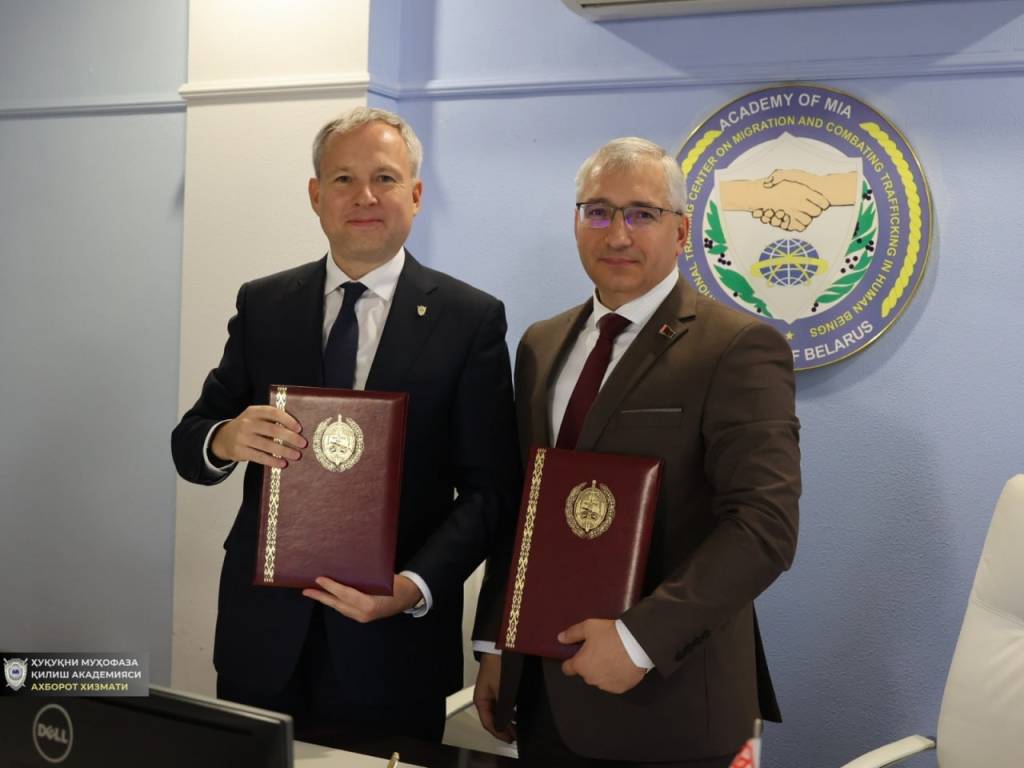
Potential collaboration opportunities have been discussed at the Academy of the Ministry of Internal Affairs of the Republic of Belarus. After negotiations between the two academies, a memorandum was signed to enhance cooperation in education and research.
Norgul Abduraimova, UzA