Romania – Uzbekistan: 31 years of diplomatic relations and new prospects for cooperation
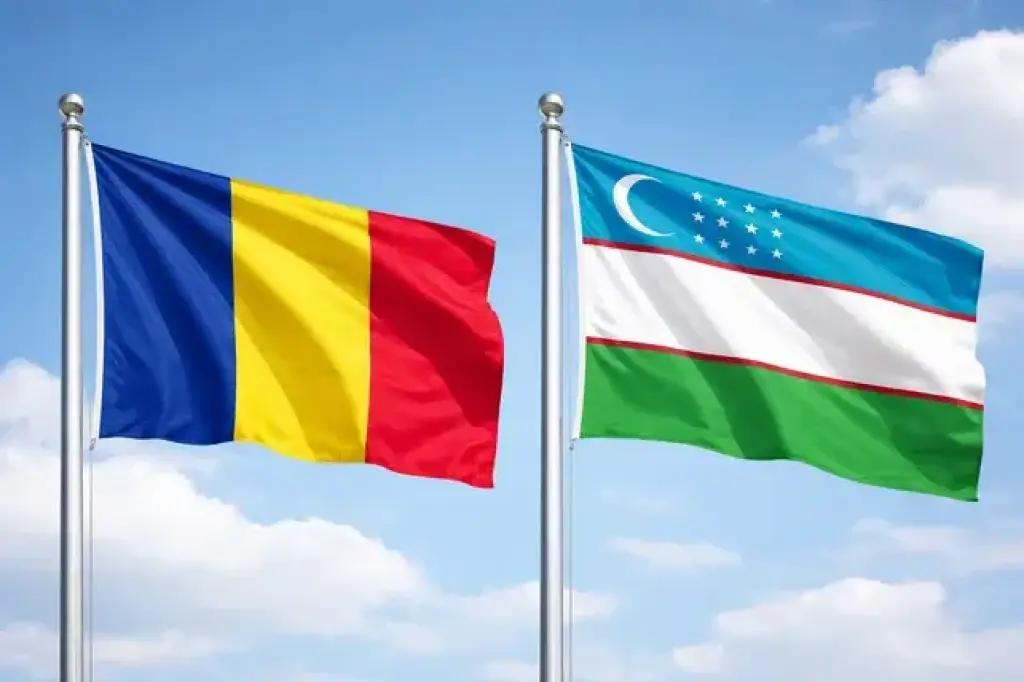
Romania and the Republic of Uzbekistan established diplomatic relations exactly 31 years ago.
Establishing diplomatic relations paved the way for exchanging ambassadors, developing a legal framework, and creating permanent mechanisms for bilateral cooperation. Today, these mechanisms include political and consular consultations between the two countries’ foreign ministries, as well as the Intergovernmental Commission on Trade and Economic Cooperation and the Joint Commission on International Road Transport. During a November 2025 meeting between the Deputy Minister of Foreign Affairs of Uzbekistan and the Ambassador of Romania, the two sides agreed to continue their work within these formats and discussed plans for joint activities this year.
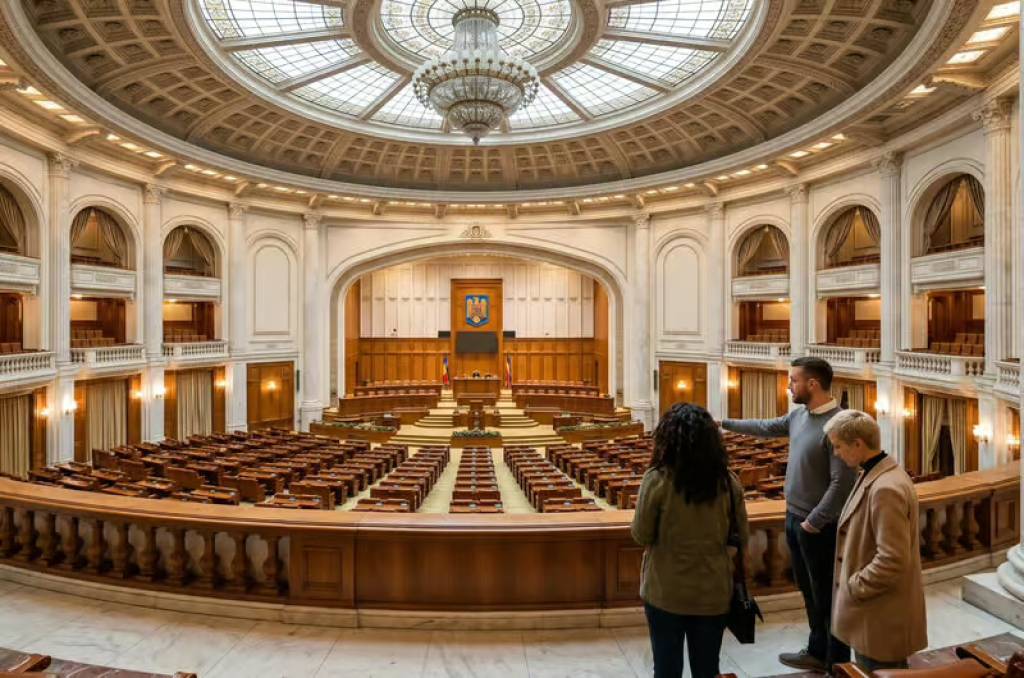
For Uzbekistan, Romania is important not only as a bilateral partner but also as an EU member. A year ago, Foreign Ministers Bakhtiyor Saidov and Oana Țoiu exchanged congratulatory messages, emphasizing mutual respect and trust. Uzbekistan stated that it views Romania as a reliable partner within the EU and places great importance on expanding economic ties and joint projects. Bucharest, for its part, has consistently supported closer relations between Uzbekistan and the European Union. Romania’s Ambassador to Tashkent has noted that his country is helping strengthen the partnership between the EU and Uzbekistan. As Central Asia increasingly diversifies its external relations, such support has clear practical significance.
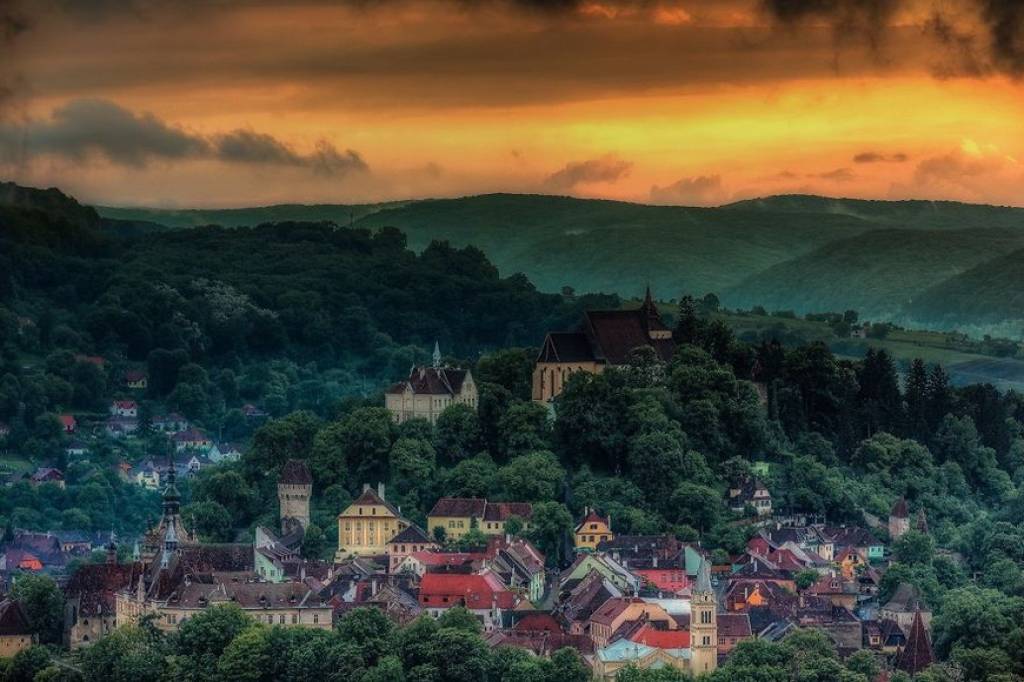
Interest is fostered not only through negotiations but also through travel, music, cinema, and art. From January to November 2022, the number of Romanian tourists visiting Uzbekistan increased by 40% compared with the same period in 2021. This increase was partly due to the post-pandemic recovery, but interest in Samarkand, Bukhara, and Khiva is clearly growing. Romanian artists have also become increasingly visible on Uzbek stages. They have participated twice in the Tashkent International Jazz Festival, and in 2024 the Doina Gorjului ensemble from Târgu Jiu took part in the Boysun Bahori Folklore Festival for the first time. This encounter through folklore was particularly symbolic, as two peoples with rich song traditions found common ground.
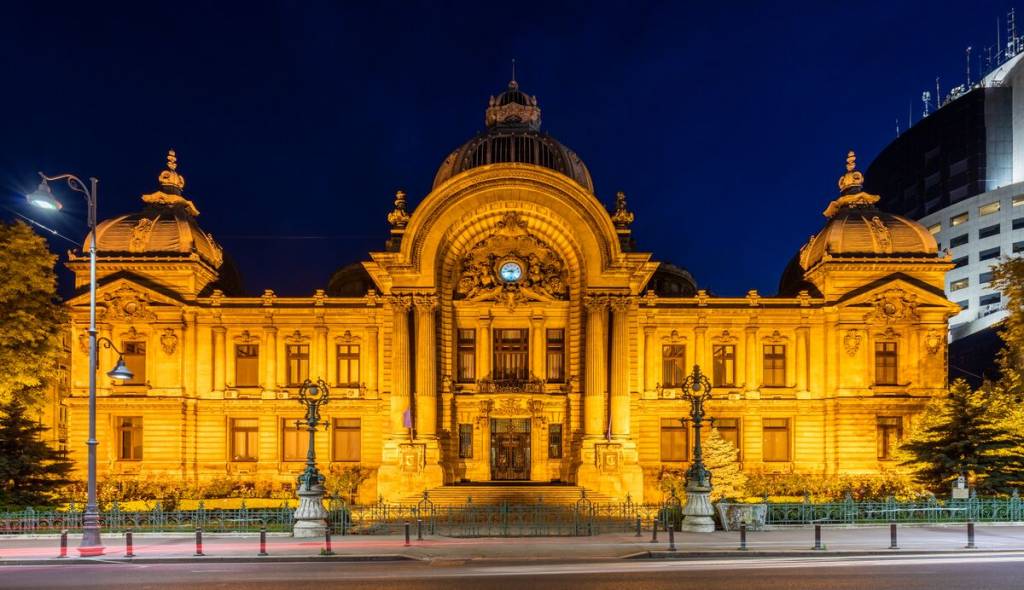
The cultural program continued last year. In November, an exhibition of paintings and installations opened at the Academy Gallery of the country’s Academy of Arts, and Romanian Film Days were held on December 22-23 at the Cinema Palace named after Alisher Navoi in Tashkent. The opening ceremony drew officials, diplomats, public figures, young people, and students. Romanian cinema, which has gained international recognition in recent decades, drew keen interest from the audience.
Orash Akaboyev, UzA