Professional qualifications know no borders: cooperation between Xinjiang and Central Asia
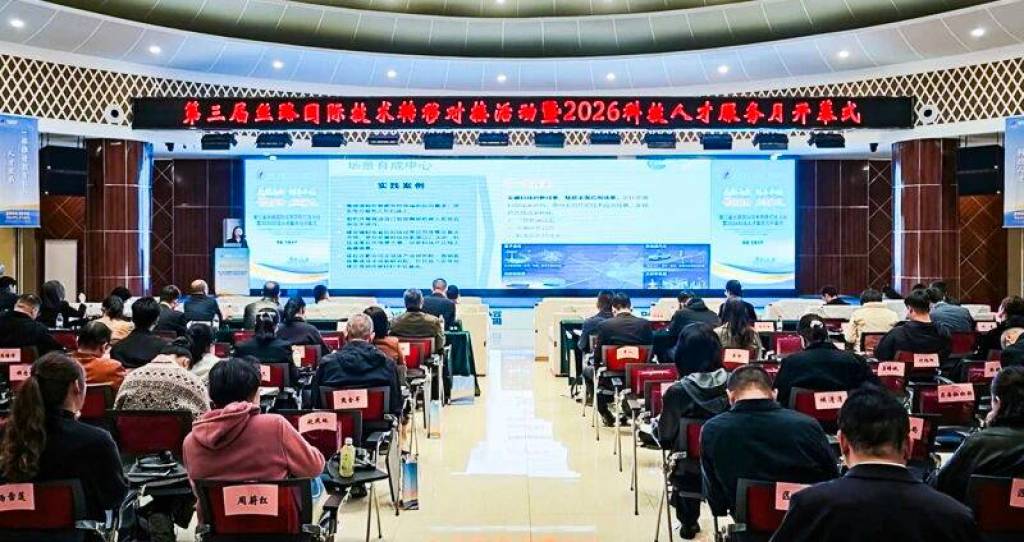
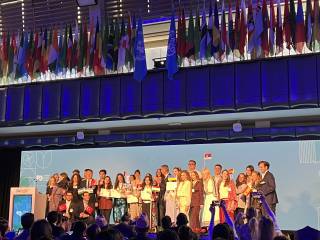
On October 15, during the Third Silk Road International Technology Transfer Conference in Urumqi, representatives from Uzbekistan and Kazakhstan outlined their countries’ needs for skilled professionals.
The event also announced an agreement between Xinjiang and Central Asian countries to mutually recognize professional qualifications internationally.
The initiative aims to strengthen cooperation in vocational training and the assessment of professional competencies, and to expand opportunities to train skilled personnel needed to support industrial cooperation between the countries.
Uzbekistan’s representative, Hamrotosh Shodiyeva, an experienced stateswoman and public figure, emphasized that the agreement would harmonize rules and standards for professional qualifications, create favorable conditions for professionals to work across borders, and promote industrial cooperation.
According to her, Uzbekistan is steadily modernizing its industry and rapidly developing its infrastructure. This is driving up demand for skilled professionals in construction, agricultural processing, information technology, and modern services. Therefore, expanding international cooperation in workforce training and professional skills development is crucial.
During the conference, the high-tech zone in Xinshi district, Xinjiang, presented an international human resources services platform. Covering nine areas, the platform integrates services such as international human resources policies, professional competency assessment, recruitment, and vocational education. It provides job seekers and businesses with access to cross-border services through a one-stop shop.
Initiatives aimed at mutual recognition of professional qualifications, training skilled specialists, and improving human resources services could create new opportunities to develop practical cooperation between China and Central Asian countries.
Nilufar Bozorova, UzA