Opportunities for tourism cooperation between Armenia and Uzbekistan
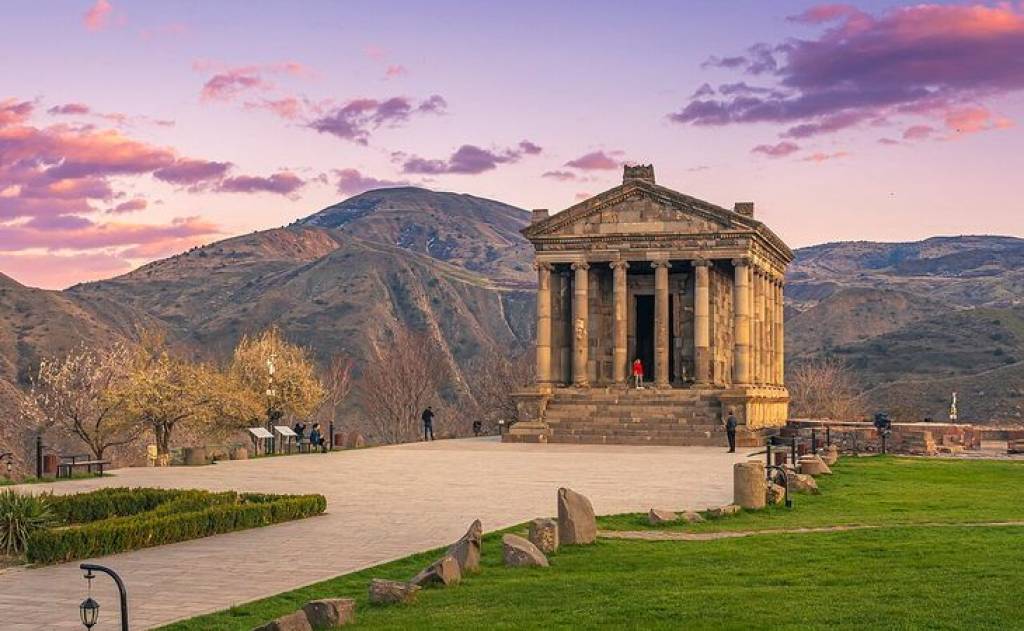
Though Armenia and Uzbekistan are geographically far apart, they share much in common: centuries of history, rich cultural heritage, deep-rooted traditions of hospitality, and growing interest in international tourism.
The Armenian community in Uzbekistan deserves special recognition for its generations-long contributions to the life and development of Tashkent, Samarkand, and other cities across the country. The personal and professional ties between the peoples of the two countries provide a strong foundation for dialogue built on mutual trust.
Tourism plays a particularly important role by creating personal experiences that neither official documents nor diplomatic negotiations can replace and by fostering mutual respect between the two peoples. Armenia and Uzbekistan offer travelers distinct yet complementary destinations.
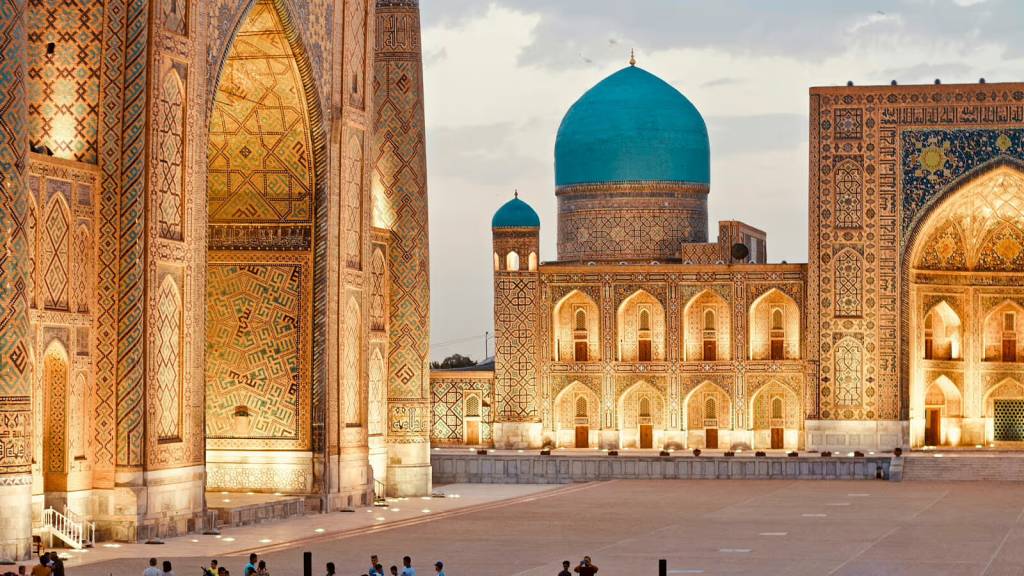
Uzbekistan boasts a unique legacy of the Great Silk Road. Samarkand, Bukhara and Khiva are among Central Asia’s most significant historical and cultural centers. The architectural ensembles of Registan Square, the Gur-e-Amir Mausoleum, the Shah-i-Zinda Necropolis, Bukhara’s architectural ensemble and the ancient Ichan Kala fortress in Khiva attract travelers from around the world every year. Tashkent combines its historical heritage with dynamic modern development and is home to museums, theaters, educational institutions and business centers. The development of transport infrastructure, particularly high-speed rail connections between major cities, along with the growing number of hotels and guesthouses, has become an important advantage for the country. Traditional crafts, including silk weaving, ceramics, embroidery, woodcarving and miniature painting, are also of considerable interest.
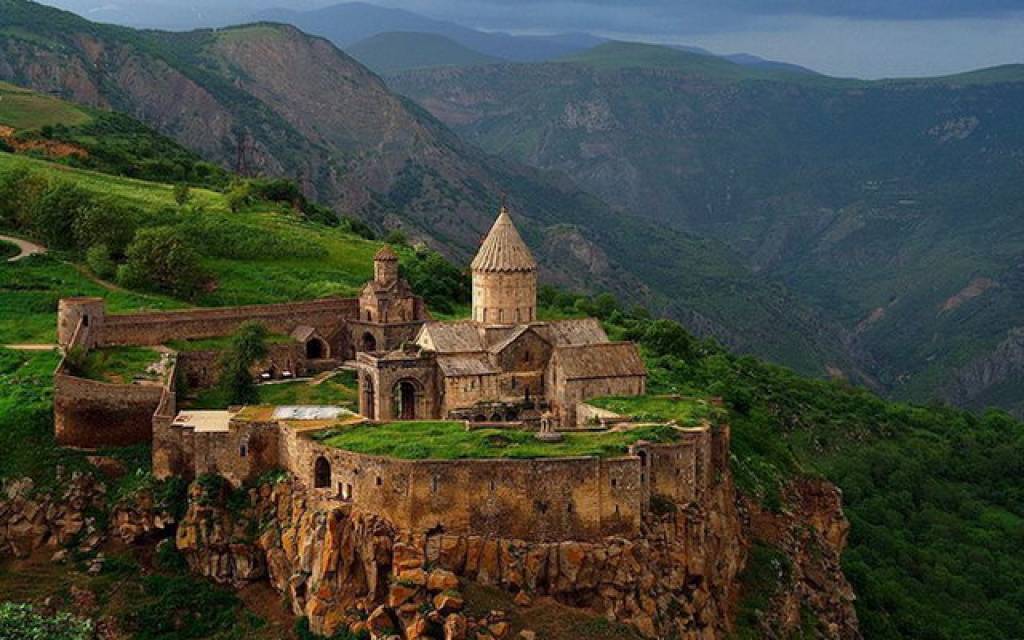
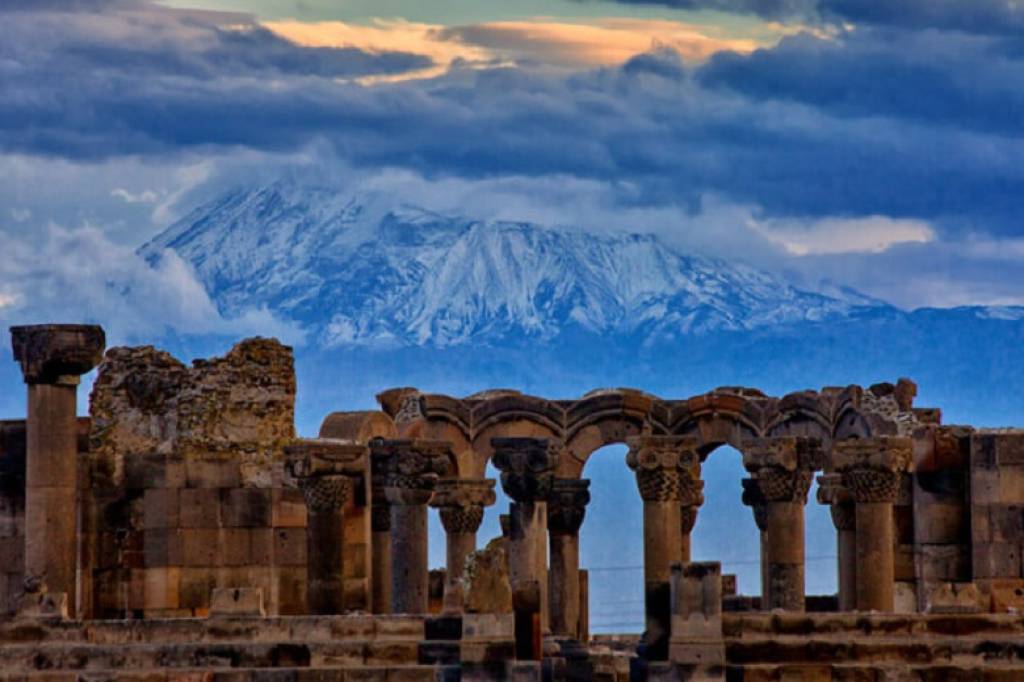
Armenia, in turn, is one of the oldest centers of Christian civilization. Etchmiadzin Cathedral and Zvartnots Cathedral, along with the monasteries of Geghard, Haghpat, Sanahin, Tatev and Noravank, are of great significance to pilgrims, historians and architecture enthusiasts. Armenian khachkar art is inscribed on UNESCO’s Representative List of the Intangible Cultural Heritage of Humanity. Yerevan holds a special place, with its distinctive pink tuff architecture, the Matenadaran Museum of Ancient Manuscripts and views of Mount Ararat. The country’s natural landscapes, including Lake Sevan, mountain ranges and Dilijan National Park, offer opportunities for the development of ecotourism, wellness tourism and outdoor recreation.
Both countries share traditions of hospitality, a deep respect for cultural heritage, strong family values and rich traditions of craftsmanship. These similarities foster mutual understanding and make travel more comfortable for tourists.
Prospects for cooperation in tourism encompass several areas. These include joint travel routes highlighting the cultural and historical heritage of both countries, particularly thematic tours tracing the Silk Road and the routes of early Christianity. Another promising area is gastronomic tourism, involving the exchange of culinary traditions, festivals and masterclasses. Wellness and mountain tourism, with a focus on family holidays, also offer opportunities for cooperation. Finally, cultural and educational programs, including craft festivals, exhibitions, student exchanges, and joint research and restoration projects, could further strengthen bilateral ties.
The legacy of the Great Silk Road and ancient traditions, together with hospitality and mutual interest, create broad opportunities for tourism cooperation between Armenia and Uzbekistan. Developing joint travel routes and cultural programs will not only increase tourist flows but also bring the peoples of the two countries closer together.
Orash Akaboyev, UzA