Full-cycle leather and footwear production to be established in Oltinkul
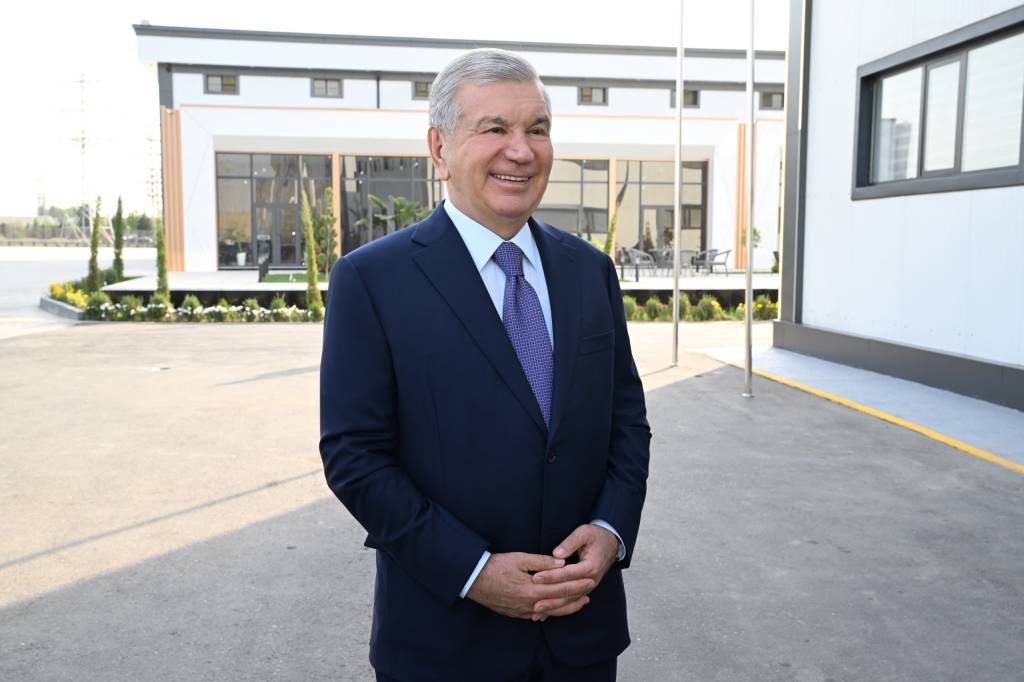
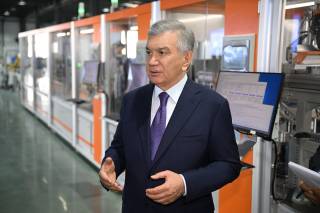
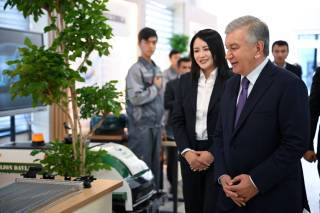
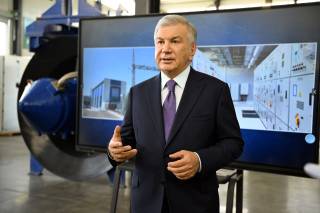
During his visit to Andijan region, President Shavkat Mirziyoyev reviewed projects underway in the small industrial zone for leather and footwear in Oltinkul district.
Uzbekistan places particular emphasis on deep processing of leather raw materials, producing export-oriented finished goods, and supplying the domestic market with high-quality, affordable footwear.
An important legal framework in this area is provided by the resolution of the Head of State titled “On measures to further stimulate the development and increase the export potential of the leather, footwear, and fur industries”.
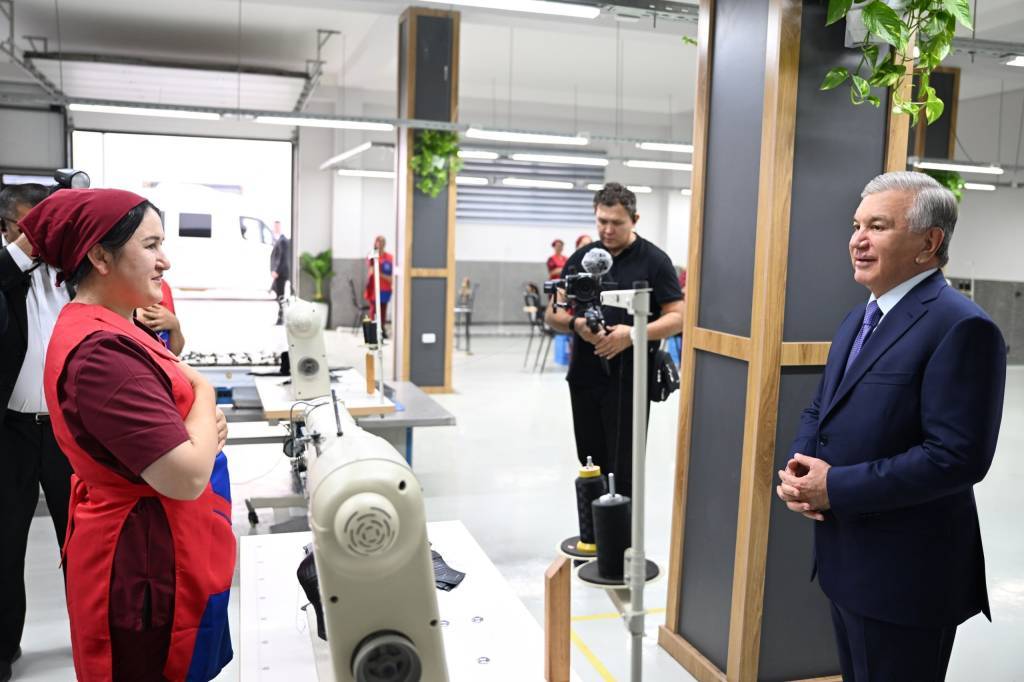
The small industrial zone in Oltinkul district is a single industrial complex that brings together entrepreneurs, artisans, and clusters from Fergana Valley, specializing in the production of leather goods and footwear. A full production cycle is being established here – from processing raw materials to manufacturing and selling finished products.
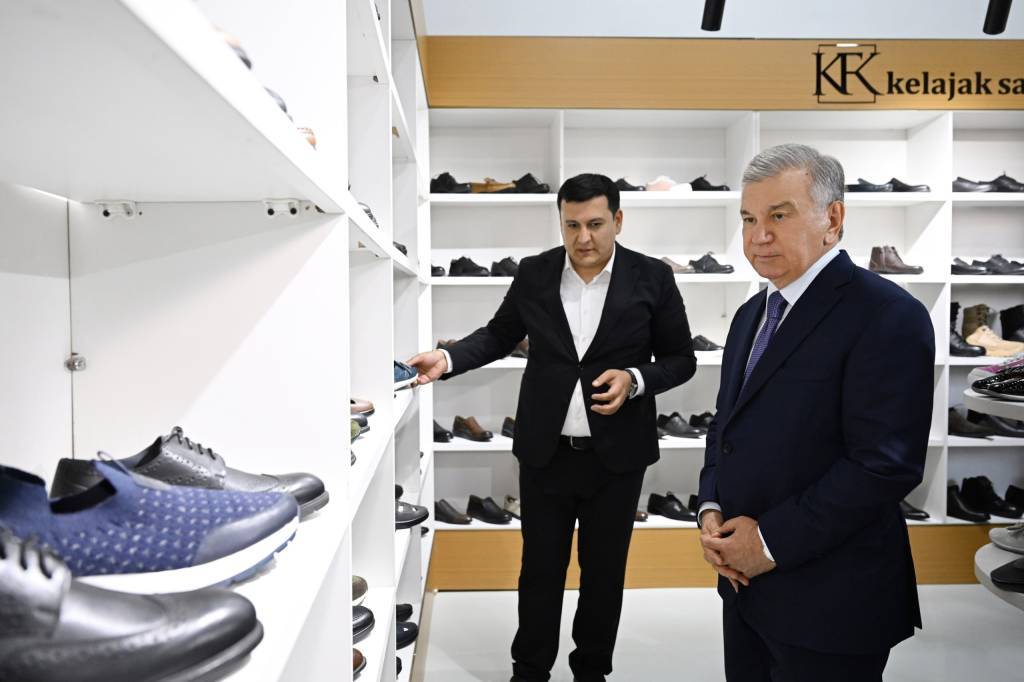
The complex covers 10.1 hectares, and the projects underway are valued at $28 million. Modern production facilities, a dual education center, and retail premises have been built on 5.5 hectares.
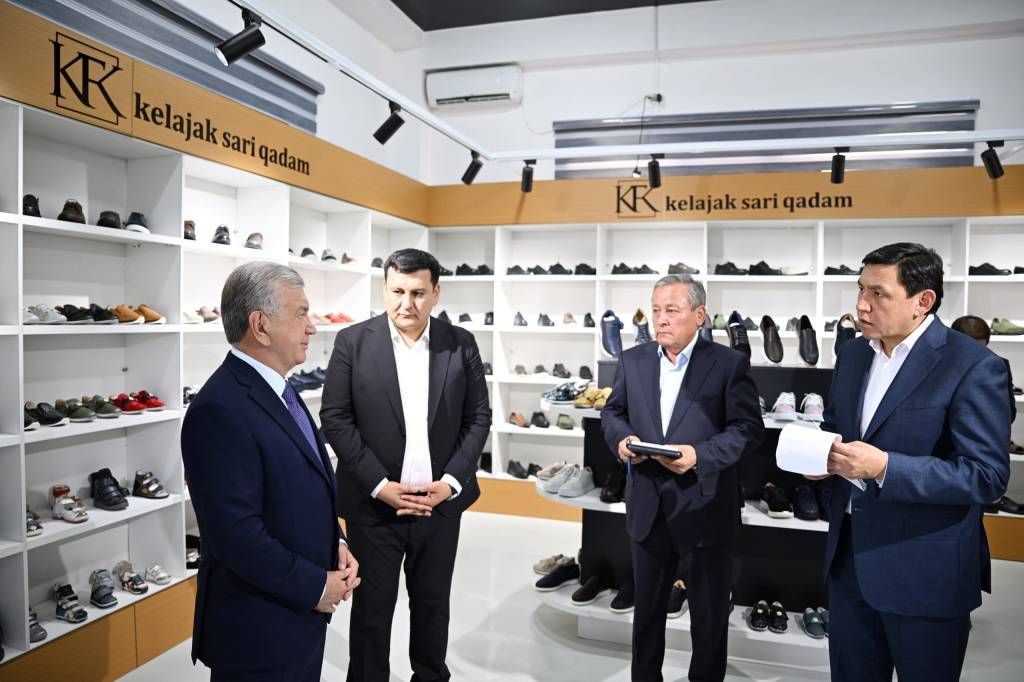
Seventeen projects with a total production capacity of 150 billion UZS are being implemented in the industrial zone. Of these, 10 specialize in producing footwear and soles, 2 in artificial leather, and another 2 in footwear adhesives. The remaining projects will establish production of rubber footwear, uppers for specialized footwear, and leather.
To date, the complex has created 2,500 new jobs.
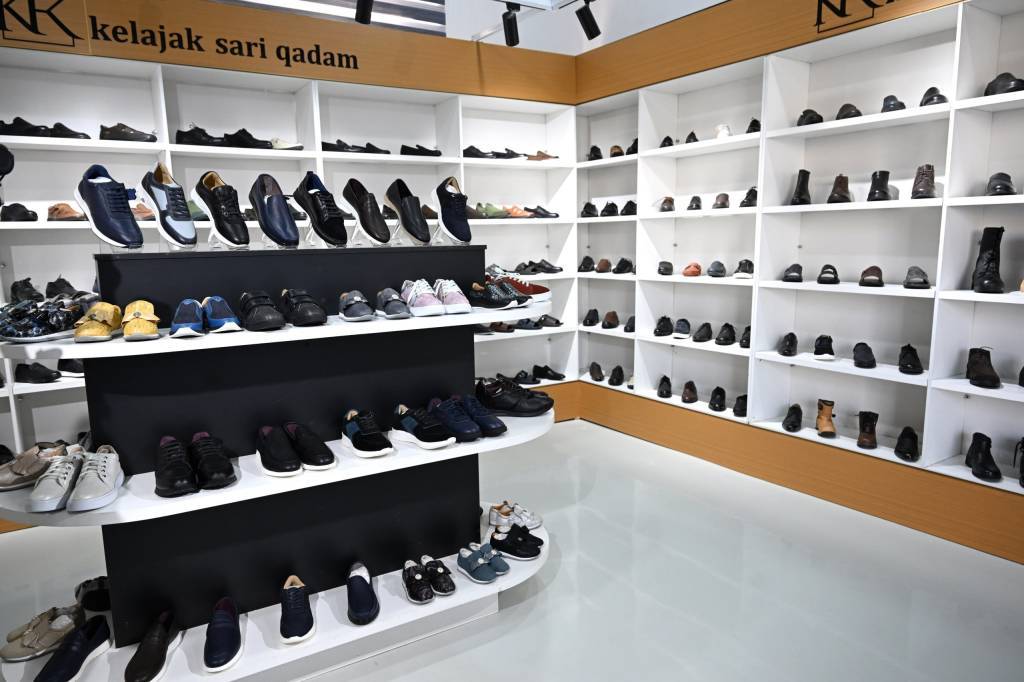
Products manufactured here are exported to Russia, Belarus, Kazakhstan, Kyrgyzstan, Tajikistan, Turkmenistan, and Afghanistan. Specialists trained in Türkiye, China, and Italy are involved in production. Their experience helps improve the quality and competitiveness of the products.
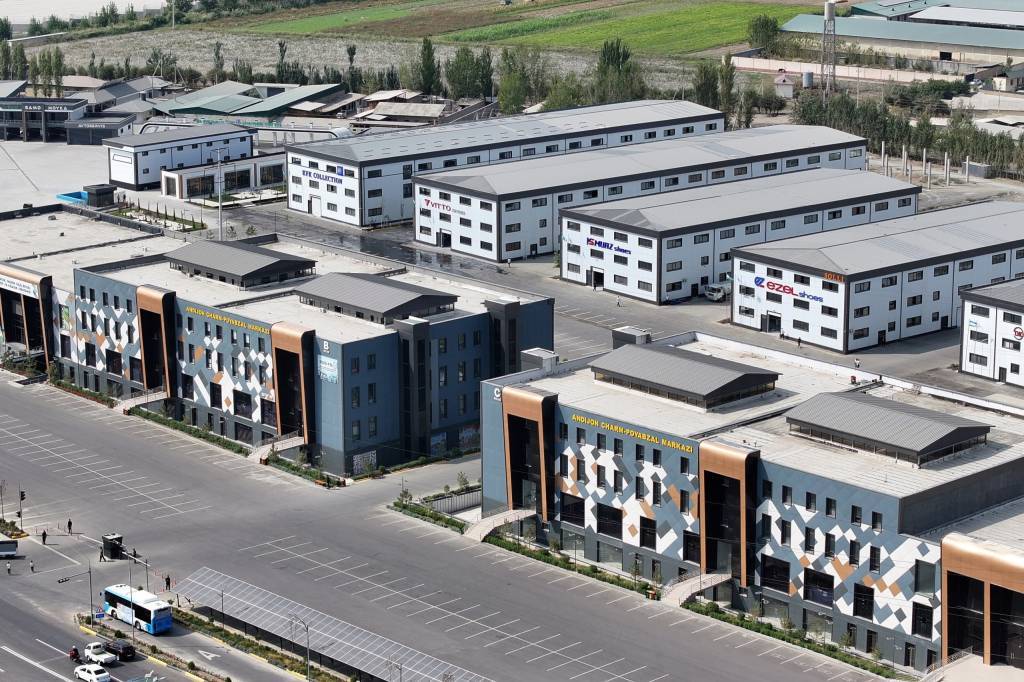
To support industry development, entrepreneurs have been provided with a range of incentives and opportunities. In particular, production buildings and facilities built at their request are sold on installment plans of up to seven years.
The Head of State reviewed product samples, with particular attention to the projects’ economic efficiency and export potential.
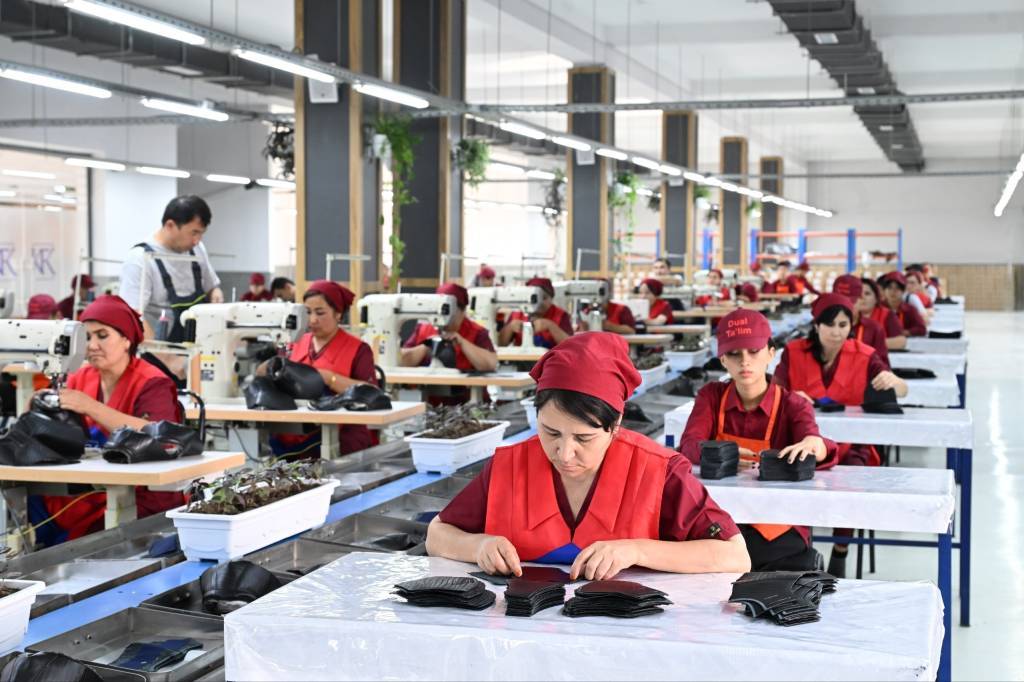
During a conversation with entrepreneurs, recommendations were made to improve product quality, introduce modern designs, and expand export markets. At the same time, officials were instructed to ensure the harmonious integration of local footwear-making traditions with modern industrial methods and to improve working conditions for employees in the sector.
UzA