Creative industries: Broadening international collaboration enriches cultural exchange

What impact will the Law “On introducing amendments and addenda to certain legislative acts of the Republic of Uzbekistan aimed at developing the creative economy” of July 7, 2026, have on the sector?
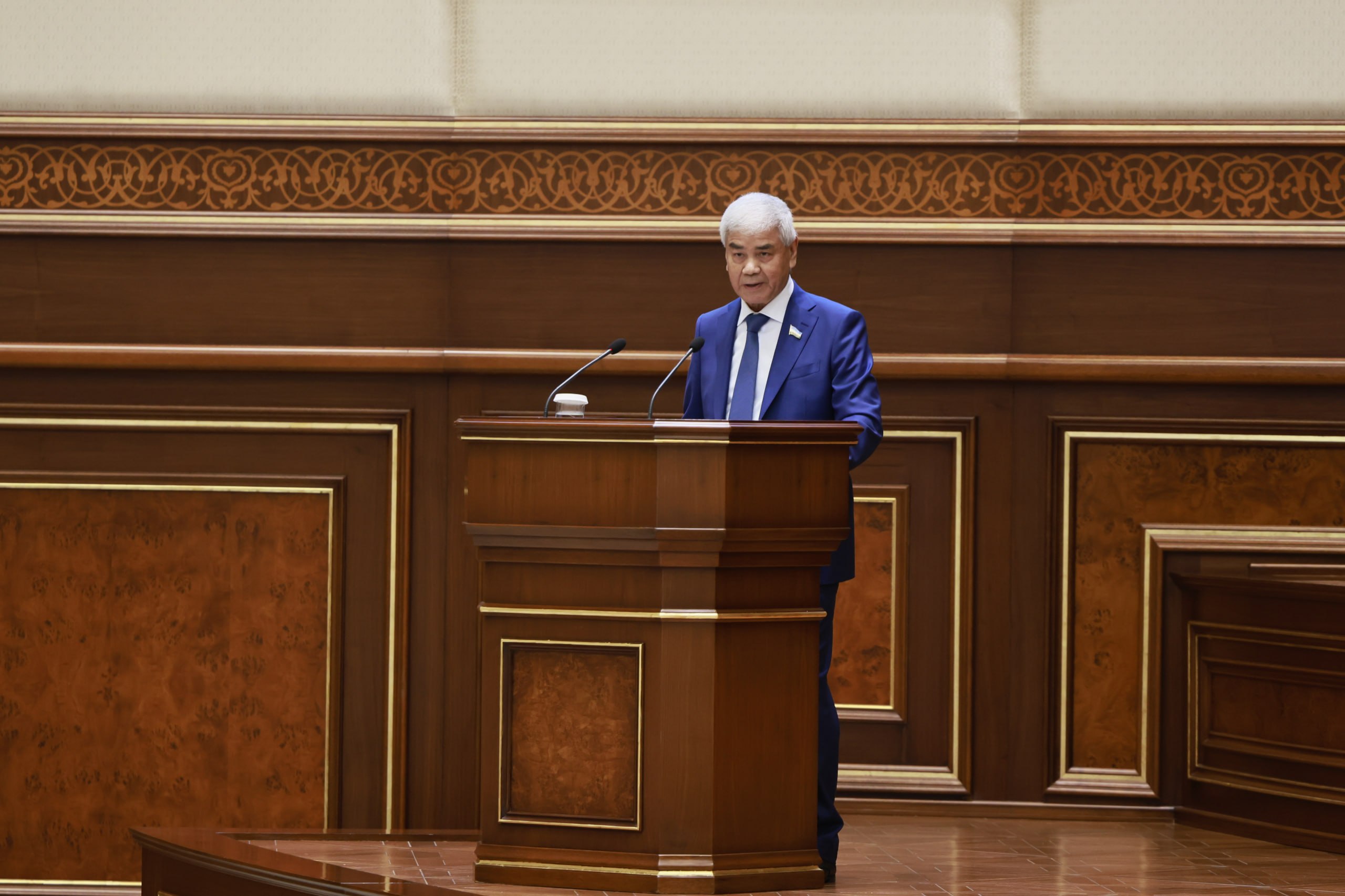
– The main purpose of the new law is to create favorable conditions and incentive mechanisms for the development of the creative economy by providing additional preferences, – says Abusaid Kuchimov, a member of the Senate of the Oliy Majlis of the Republic of Uzbekistan. – The document amends and adds to certain legislative acts, providing several tax preferences for specialists involved in projects of the Uzbekistan Art and Culture Development Foundation and for residents of the Creative Industries Park.
Therefore, “Creative Park” in the Tax Code is now called “Creative Industries Park” to align with the definition in the Law “On Creative Industries”.
From January 1, 2026, to January 1, 2030, amendments and additions specify that foreign contractors working on projects managed by the Art and Culture Development Foundation under the Presidential Administration, as well as residents of the Creative Industries Park, will be exempt from value-added tax, withholding corporate income tax, and personal income tax. This exemption applies when these foreign contractors carry out work and provide services directly connected to the creative industries sector.
The Art and Culture Development Foundation has added provisions to the Law “On Public Procurement” to ensure the high-quality organization of international events. It is now specified that public procurement for organizing and hosting international and interstate cultural and arts events may be carried out through direct contracts. The criteria for the level of these events are set in accordance with the procedures outlined by law.
The Law “On the Creative Economy” states that the Republican Council for the Development of the Creative Economy may be assigned additional tasks in accordance with legal provisions. It also introduces a clause that if new creative industry entities are registered as residents of the Creative Industries Park, the requirement to meet the minimum income from creative activities, outlined in Article 28, does not apply. Should these entities fail to meet the conditions by the end of the financial year, the benefits granted will be recalculated and reimbursed to the state budget in accordance with tax laws.
These provisions’ rules also govern relations originating from January 1, 2026.
The law provides preferences for admitting newly established creative industry entities as residents of the Creative Industries Park.
In summary, this law will enhance international collaboration within the creative sectors, boost the quality and reach of cultural events, and elevate our country’s cultural reputation globally.
Interviewed by Norgul Abduraimova, UzA