A Center for Enlightenment and Cultural Exchange
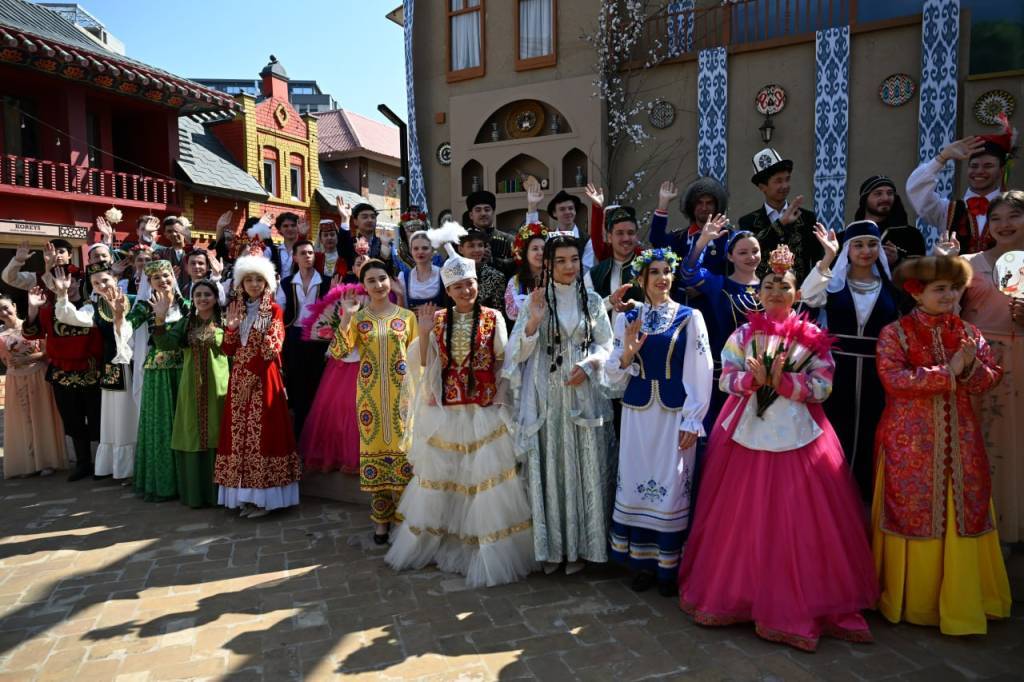
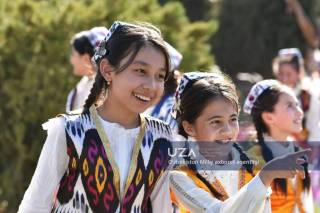
In Uzbekistan, representatives of more than 130 nations and ethnic groups live together as one united family, and 157 national cultural centers operate. This diversity is a unique social phenomenon formed through centuries of historical development.
The pavilion of national cultural centers in “Dustlik” park, located in Yakkasaray district of the capital, serves not only as an exhibition space but also as a hub for practical dialogue, creative activities, foreign-language learning, and cultural events.
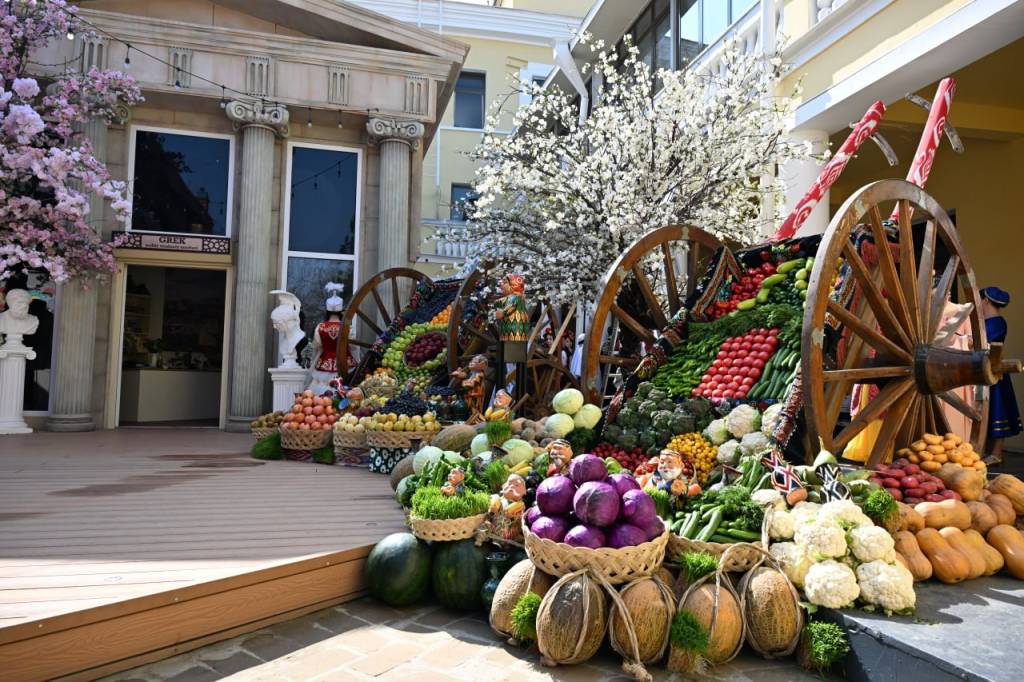
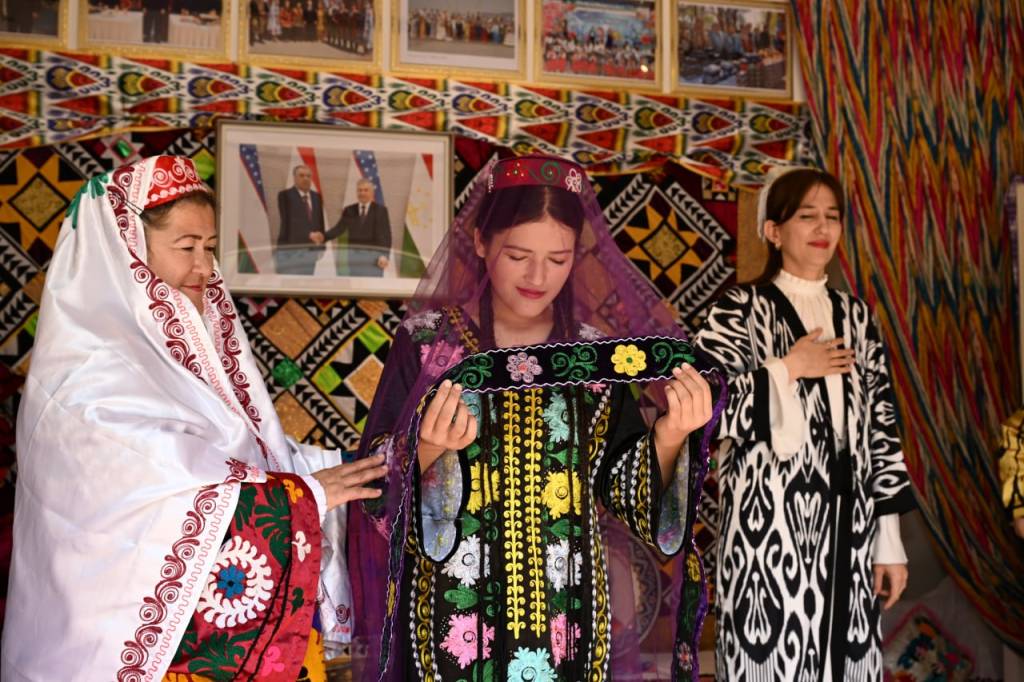
Its architectural design showcases the distinctive features of twenty-two nations. It includes Kazakh, Kyrgyz, Turkmen, and Bashkir yurts, along with two-story Houses of Friendship representing the Korean, Belarusian, Ukrainian, Greek, German, Dungan, Polish, Jewish, Georgian, Armenian, Tatar, Crimean Tatar, Uyghur, Turkish, Tajik, Chinese, Russian, and Azerbaijani peoples.
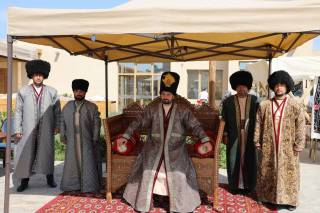
The interiors are designed to reflect each people’s national traditions. The exhibition features national costumes, musical instruments, samples of decorative and applied arts, historical models, and many exhibits showcasing cultural heritage.
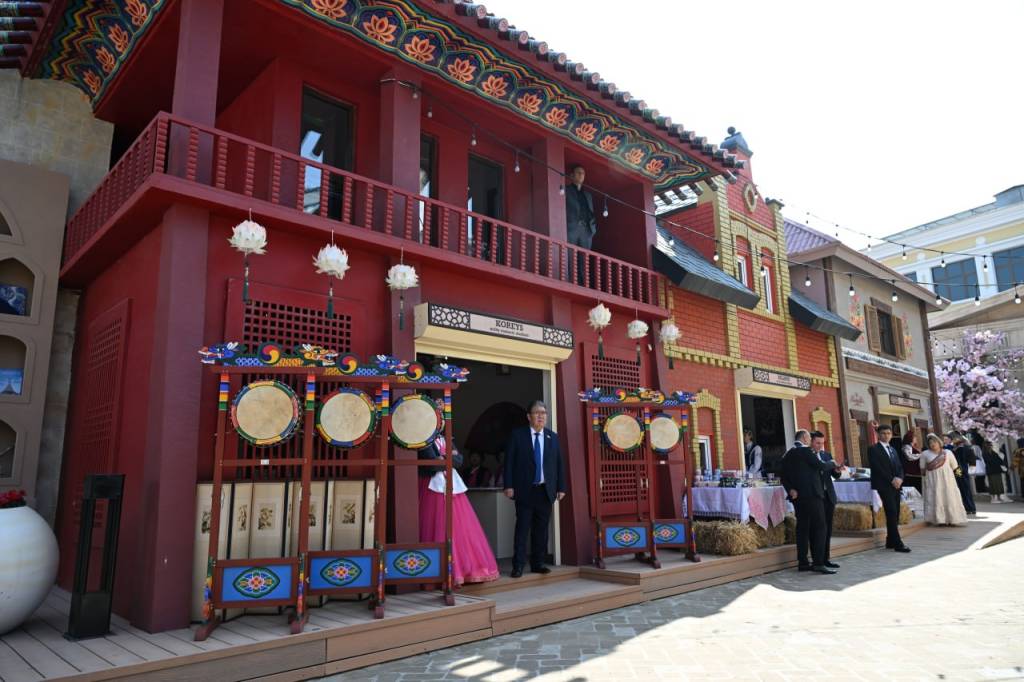
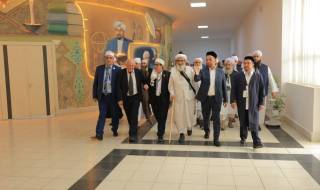
On March 21, the Head of State visited the pavilion, highlighting the valuable contributions of compatriots from different nationalities to enhancing Uzbekistan’s socio-economic potential.
A tourist from Tajikistan, Rahmonaliy Sharifzoda, expressed admiration for the pavilion, noting that it showcases the country’s unique culture, history, and way of life. He was especially impressed by the openness and respect demonstrated toward other people. According to him, the pavilion’s area serves as a reminder of the importance of peace and harmony.
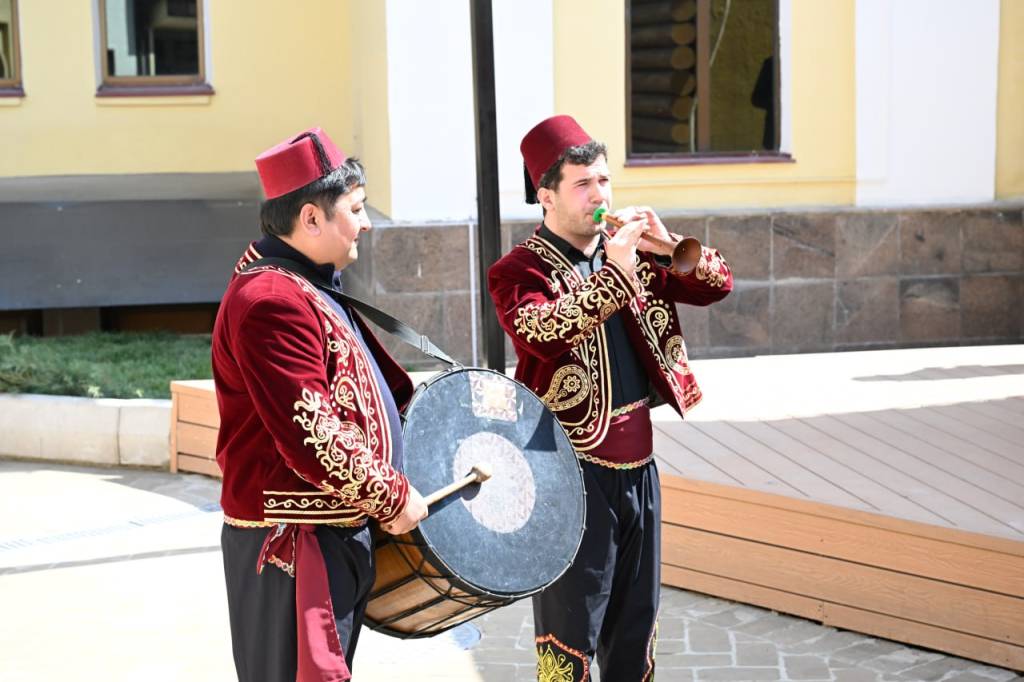
In a short amount of time, the pavilion has become a hub of enlightenment and cultural exchange. Growing the number of such facilities will help strengthen peace and stability in the region.
Ikrom Avvalboyev, photos by Khasan Paydoyev, UzA