Uzbekistan and Kazakhstan strengthen cooperation to protect transboundary water resources
Protecting and using transboundary water resources rationally are key to ensuring environmental stability in the region and strengthening water security. In particular, exploring underground springs located across the territory of several states, regularly monitoring them, preventing pollution, and effectively developing existing reserves require sustained bilateral cooperation.
Cooperation between Uzbekistan and Kazakhstan on the protection and sustainable use of transboundary water resources is developing rapidly. Work on the study, protection, and effective management of the Tashkent transboundary aquifer is helping to form common approaches in this area.
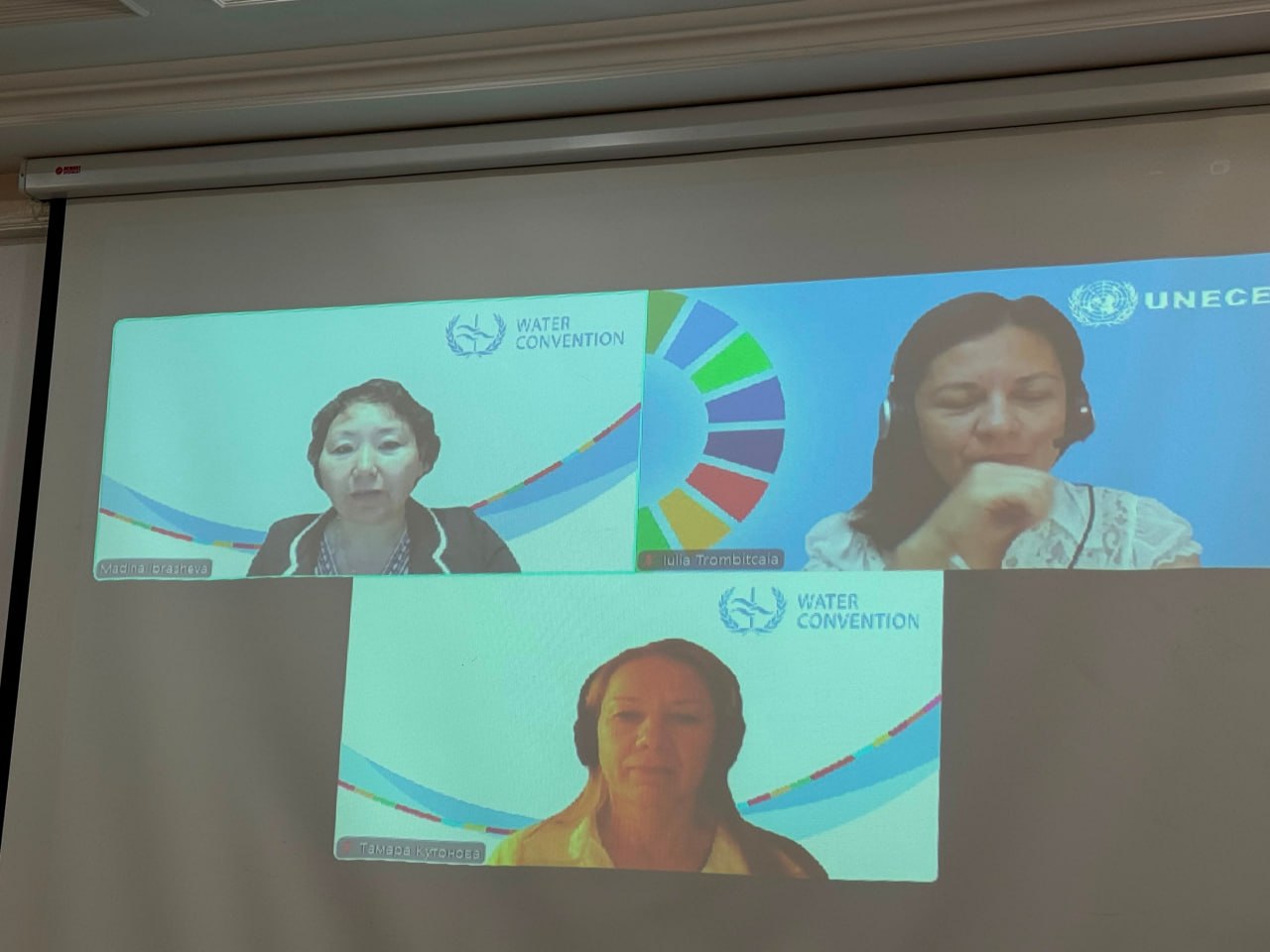
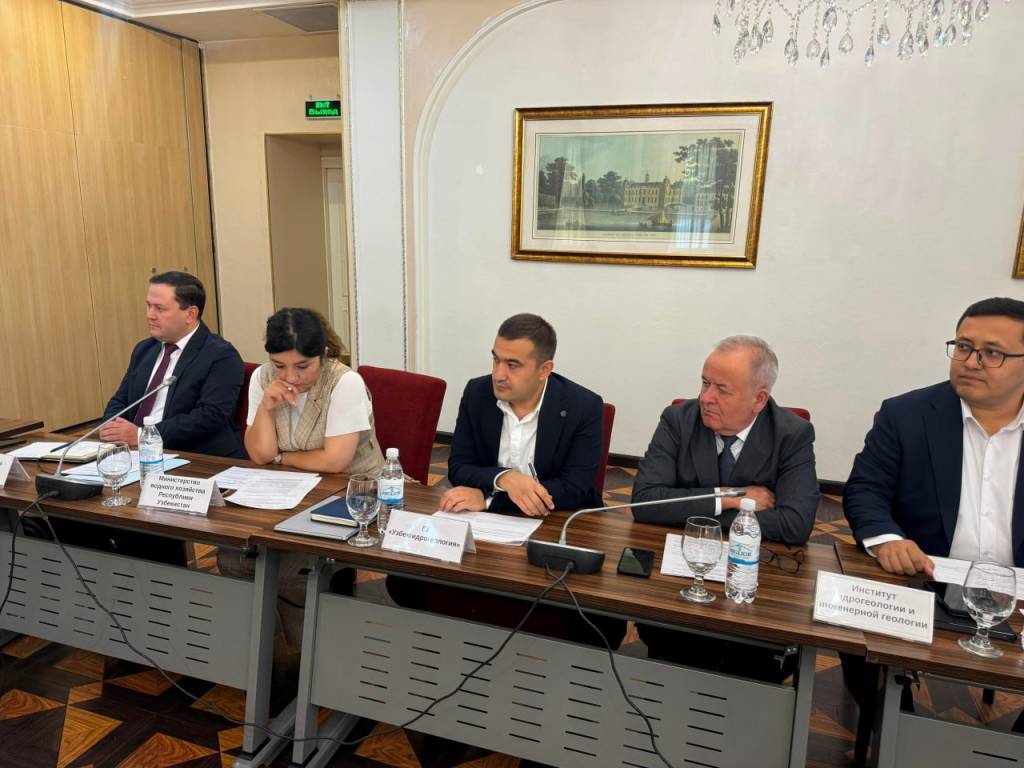
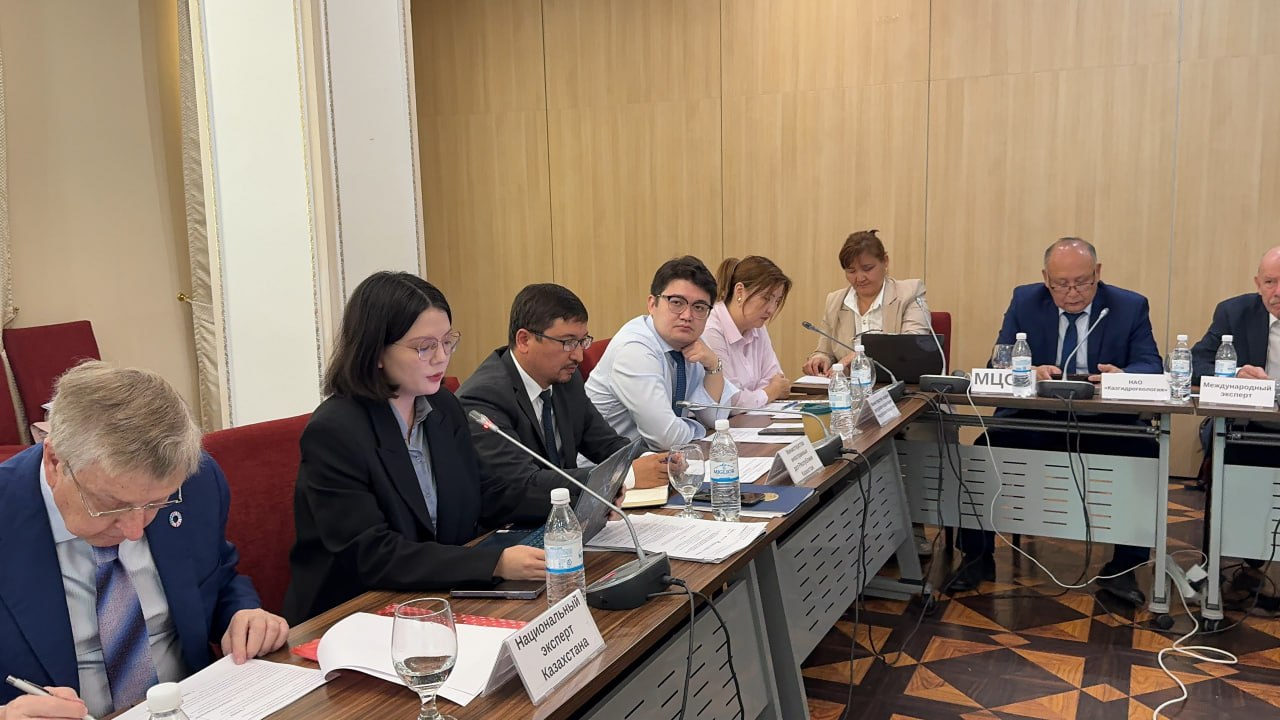
The second meeting of experts from the two countries was held at the initiative of the United Nations Economic Commission for Europe (UNECE). Participants discussed protecting the aquifer, operating it sustainably, and developing a Memorandum of Understanding to strengthen the partnership.
The meeting was attended by representatives of the Ministry of Mining Industry and Geology of the Republic of Uzbekistan, the Ministry of Water Resources, Uzbekhydrogeology State Institution, the Institute of Hydrogeology and Engineering Geology, and the State Geological Monitoring Service, along with experts from the UNECE Convention on the Protection and Use of Transboundary Watercourses and International Lakes, the International Water Assessment Centre (IWAC), and international experts. The Kazakh side was represented by officials from the Ministry of Water Resources and Irrigation, the Ministry of Foreign Affairs, and Kazhydrogeology JSC.
Participants reviewed the issues raised at the initial meeting on July 1 in Tashkent, explored solutions, and discussed a draft Memorandum of Understanding.
The participants also reviewed the draft Roadmap for the protection and effective use of the Tashkent transboundary Aquifer 2030 in detail. The document focuses on rational water use, assessing quantitative and qualitative resource indicators, improving the monitoring system, and implementing measures to protect the aquifer.
Following the meeting, participants shared their views on implementing new initiatives and international projects with support from the United Nations.
It was highlighted that practical cooperation between Uzbekistan and Kazakhstan is crucial for managing transboundary water resources, maintaining ecological balance, and securing regional water supplies.
Nasiba Ziyodullayeva, UzA