Uzbekistan and Azerbaijan commence a new chapter in their relations
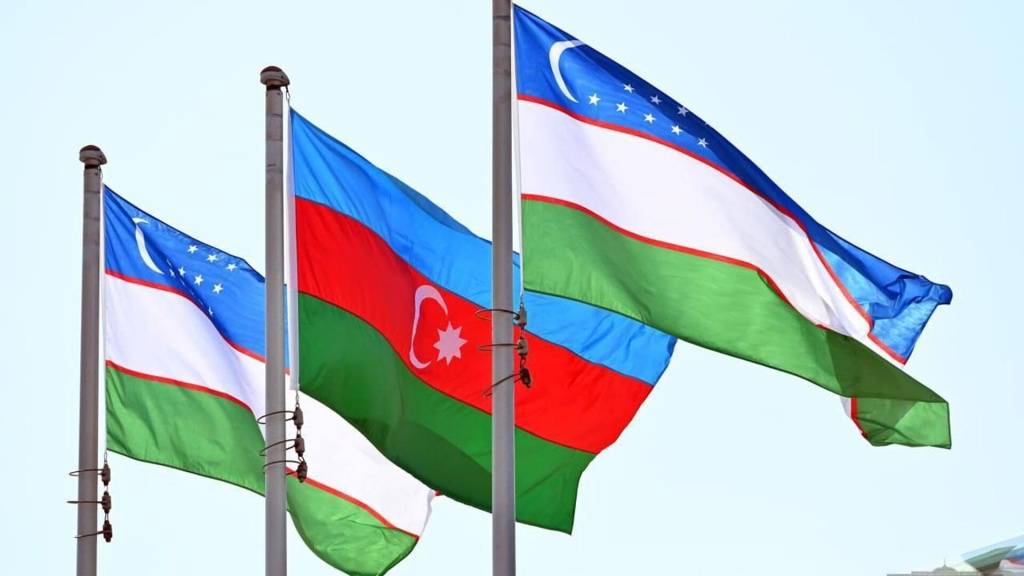
The relationship between Azerbaijan and Uzbekistan has gained particular significance in recent years, shaping the political and economic development of Central Asia and the South Caucasus.
These relations are becoming increasingly important for both countries and the wider region. Currently, Baku and Tashkent collaborate across nearly all major sectors, including politics, trade, investment, industry, transport, energy, agriculture, digital technologies, education, culture, and tourism.
A key aspect of the current environment is the blend of political trust, economic complementarity, and mutual interests in enhancing regional connectivity. Azerbaijan’s strategic location at the crossroads of transport routes connecting the Caspian region, the Caucasus, Türkiye, and European markets gives it an advantage. Meanwhile, Uzbekistan stands out as one of Central Asia’s largest economic and demographic hubs, possessing substantial industrial and agricultural resources.
Consequently, the partnership between the two nations is increasingly taking on a strategic aspect. A key milestone was the signing of the Treaty on Allied Relations in 2024, which reinforced the existing political trust and established a basis for expanding practical collaboration.
An analysis of the current relations between the two countries indicates that their development holds significance beyond just bilateral interests. Collaborative initiatives in transport, energy, and trade can strengthen economic connections among Central Asia, the Caspian region, and the South Caucasus.
Political cooperation and strengthening strategic partnership
Azerbaijan and Uzbekistan formally established diplomatic relations on October 2, 1995. Over the subsequent years, the two nations built a robust legal basis for cooperation and steadily broadened their political engagement.
In recent years, cooperation has significantly intensified. Regular meetings between the leaders of both countries have strengthened mutual trust. A key milestone was reached in June 2022 with the signing of the Declaration on Deepening Strategic Partnership and Expanding Comprehensive Cooperation.
Another important development was the formation of the Supreme Interstate Council. Its establishment is valuable because it allows both parties to regularly assess their bilateral relations, identify key areas, and oversee the progress of agreements.
Collaboration in tourism

Azerbaijan and Uzbekistan possess strong tourism potential. Both countries feature distinct historic cities, iconic monuments, rich traditions, delicious cuisine, and natural sites. Their tourism resources largely complement each other. Uzbekistan is especially renowned for its ancient cities and architectural landmarks tied to the Great Silk Road. Cities like Samarkand, Bukhara, Khiva, and Tashkent attract many international visitors.
Tourism collaboration between the two countries is vital because it can strengthen humanitarian bonds through tourist exchanges. When someone visits another nation, they gain firsthand experience of its culture, lifestyle, cuisine, traditions, and history. As a result, boosting tourist exchanges not only increases tourism revenue but also fosters deeper mutual understanding between the two nations.
Enhancing air connectivity is crucial. Direct flights between the countries can greatly cut travel time and improve accessibility. To boost tourist numbers, it’s essential to expand direct flight options, increase frequency, and improve connecting routes. This is especially vital for business and cultural tourism, where trip durations are often short.
Given the rich historical and cultural heritage of both nations and their commitment to expanding economic ties, tourism will likely become an increasingly prominent focus in their bilateral relations. With strong government support, active private-sector involvement, improved transport infrastructure, and digital innovation, Azerbaijan and Uzbekistan can develop a compelling joint tourism region that connects Central Asia with the Caucasus.
Orash Akaboyev, UzA