UN Country Team learns about FAO-supported rainfed farming trials in Gallaorol district
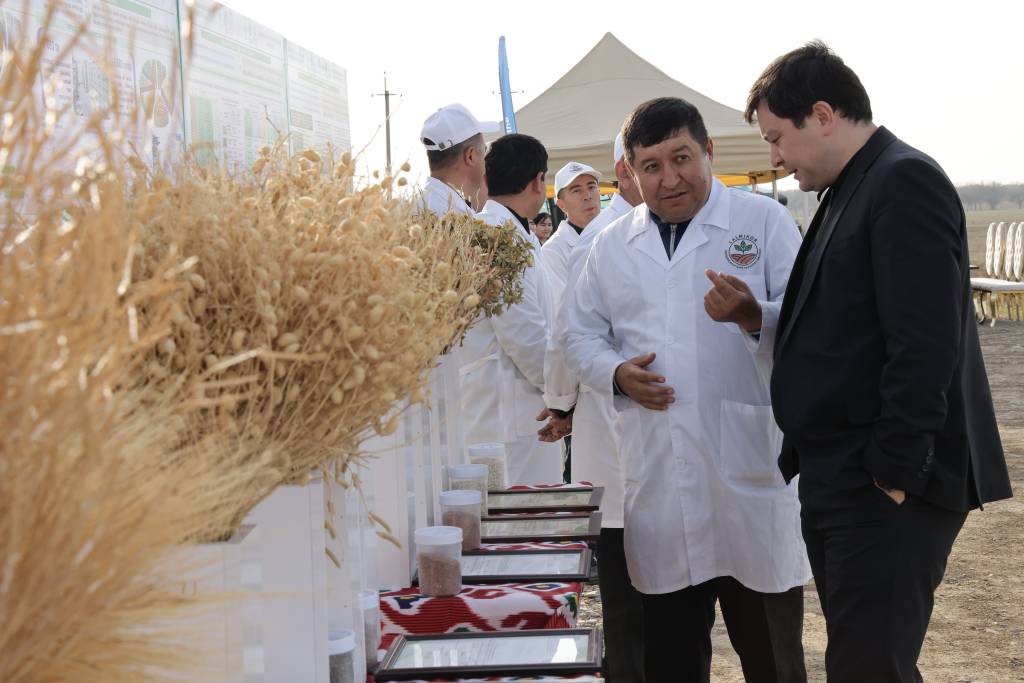
The United Nations Country Team in Uzbekistan visited the Research Institute of Rainfed Agriculture in Gallaorol district. At the institute’s experimental plots, the delegation learned about two research projects supported by the Food and Agriculture Organization of the United Nations (FAO). The projects explore ways to conserve soil moisture, reduce erosion and make better use of rainfall and snowmelt in rainfed farming.
During the field visit, institute specialists demonstrated no-till seeding, which involves sowing seeds directly into unploughed soil using specialized equipment. Researchers are assessing how this practice can help retain soil moisture, reduce wind and water erosion, and lower crop production costs on rainfed land.
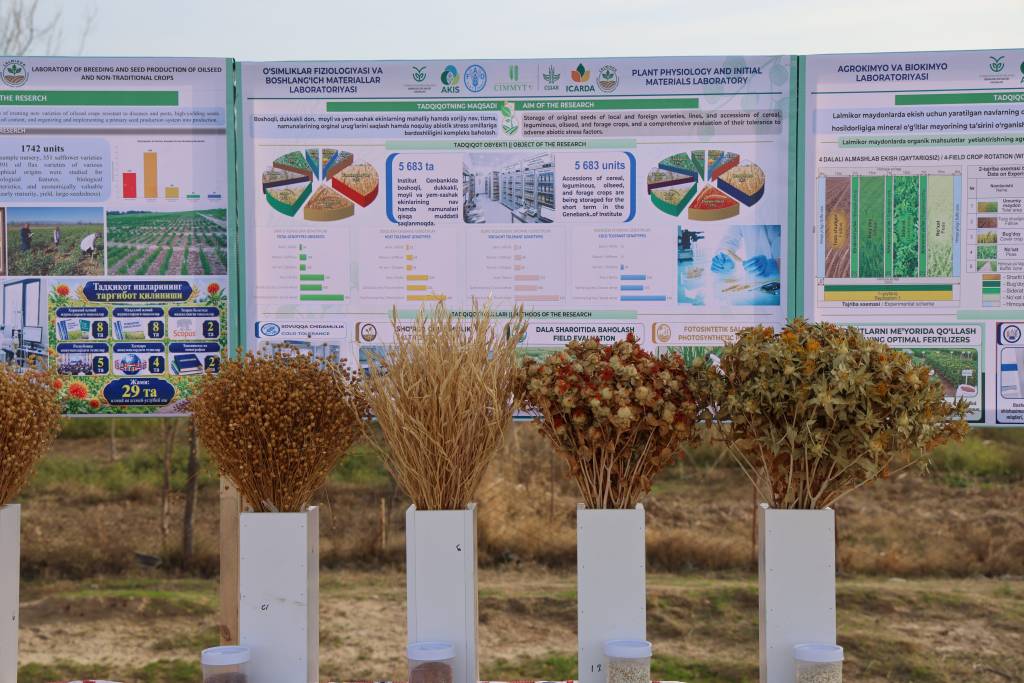
The institute also presented research on terraces and semicircular water-harvesting structures in foothill areas. These structures slow surface runoff and allow more rainwater and snowmelt to infiltrate the soil. Researchers are assessing how effectively the structures increase soil moisture and reduce water erosion.
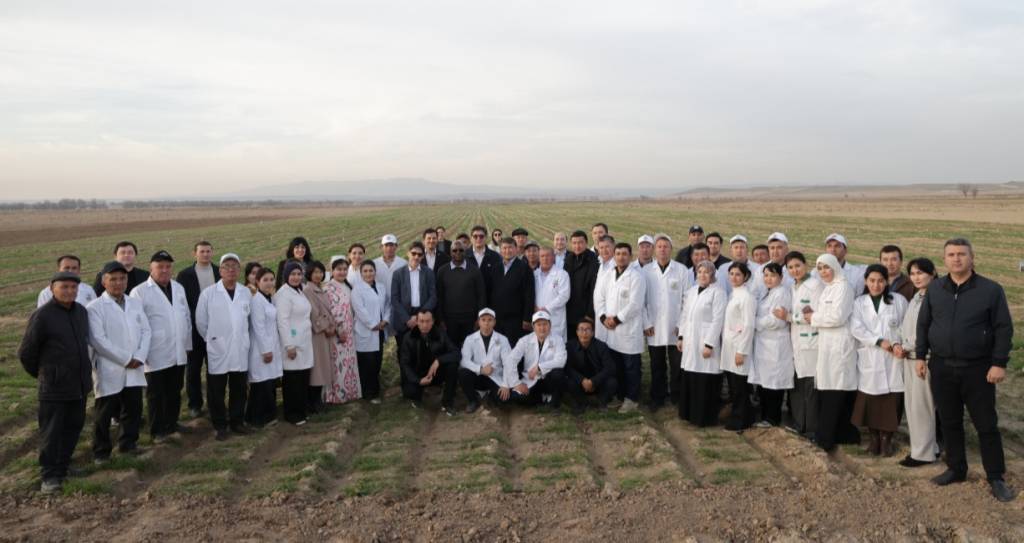
Institute specialists briefed the delegation on the field trials, research findings and prospects for applying these practices on rainfed farms. Participants included Sherzod Umarov, Assistant FAO Representative in Uzbekistan, and representatives of the United Nations Development Programme (UNDP), the World Health Organization (WHO), the International Labour Organization (ILO) and UNICEF.
The field visit formed part of the UN Country Team’s visit to Sirdarya and Jizzakh regions on 19-20 November. In Sirdarya, the delegation, led by UN Resident Coordinator in Uzbekistan Sabine Machl, met with Acting Regional Governor Doniyor Kadirov. They discussed expanding cooperation and implementing joint projects in socioeconomic development, environmental protection, health, employment and social protection.
The delegation also visited School No. 19 in Boyovut district, where an energy-efficient heating system that operates without coal was piloted with UNDP support during the 2023-2024 heating season. In Gulistan, the team visited the Central Multidisciplinary Polyclinic, which serves more than 22,800 people, and learned about efforts to strengthen primary healthcare and improve disease prevention and early detection.
UzA