Uzbekistan aims to double tourism figures by 2030, prioritizing quality
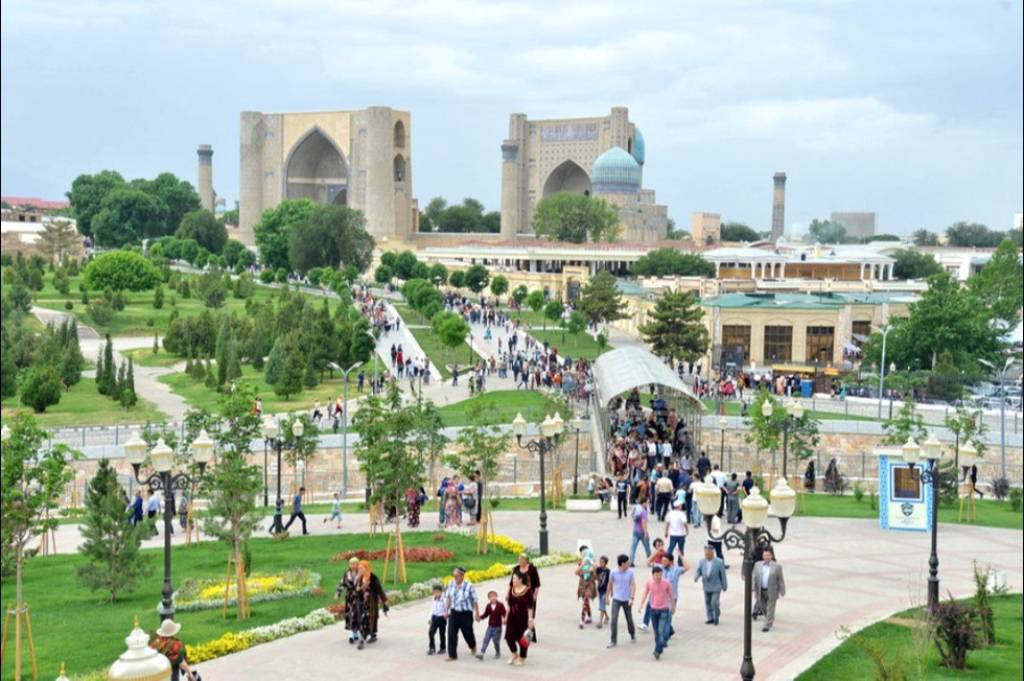
Uzbekistan has set goals for its tourism sector, focusing not just on growth in numbers but also on service quality.
The country has identified several key priorities to reform the tourism sector, introduce new approaches and modern mechanisms, and enhance its competitiveness in the international tourism market.

In particular, by 2030, Uzbekistan aims to double tourism’s contribution to gross domestic product (GDP) from the current 3.5% to 7%, increase the number of international visitors from 10 million to 20 million annually, and raise tourism service exports to more than $6 billion.
Other priorities include improving transport links between tourist cities, increasing the number of domestic flights, reducing travel times by at least two-thirds and doubling the number of four- and five-star hotels.
Achieving these goals will depend heavily on modernizing tourism infrastructure, increasing the number of hotels and other accommodation facilities while improving their quality and management, expanding international transport links, and developing new tourism products and routes across the country’s regions.
According to the National Statistics Committee, Uzbekistan welcomed 11,622,103 foreign visitors for tourism purposes between January and October 2026. These figures reflect growing interest in the country.
However, another important question remains: what impressions do tourists take home after visiting Uzbekistan? Attracting visitors alone is not enough. During their stay, tourists assess not only historical monuments, modern buildings and the country’s unique natural landscapes, but also their interactions with local people, the quality of services, and the conveniences and difficulties they encounter along the way.
“A foreign tourist’s first impression of a country begins to take shape at the airport or railway station”, says Sherzod Sultanov, a specialist at the Tourism Committee. “From the very first moments in an unfamiliar country, visitors begin assessing their surroundings. Transport services, road signs, access to information, currency exchange facilities, and sanitary and hygiene conditions all influence their initial perceptions. For example, a foreign visitor may want to explore the city’s attractions but may not know how to reach their destination, struggle to find the necessary information on public transport, or encounter a language barrier. In such circumstances, even the most beautiful destination can become a source of frustration for tourists. That is why developing tourism infrastructure should not be understood simply as building hotels, opening new recreational areas or restoring historical monuments. Above all, it requires creating an integrated system that enables tourists to travel easily, access information and meet their everyday needs”.
As the specialist emphasized, today’s tourists assess not only hotel facilities or the quality of food served in restaurants, but also how they are treated and the transparency and convenience of services. For example, clearly communicating service prices in advance, ensuring transparent billing, avoiding unjustified additional charges and responding promptly to tourists’ requests all help build trust.
It is important to combine national traditions of hospitality with modern service practices and international standards. In this regard, particular emphasis should be placed on enhancing the professional skills of tourism industry employees, improving their foreign language proficiency, developing a culture of effective communication and ensuring consistent quality standards in service delivery.
Muhayyo Toshqorayeva, UzA