Today's oversight ensures tomorrow's harvest.
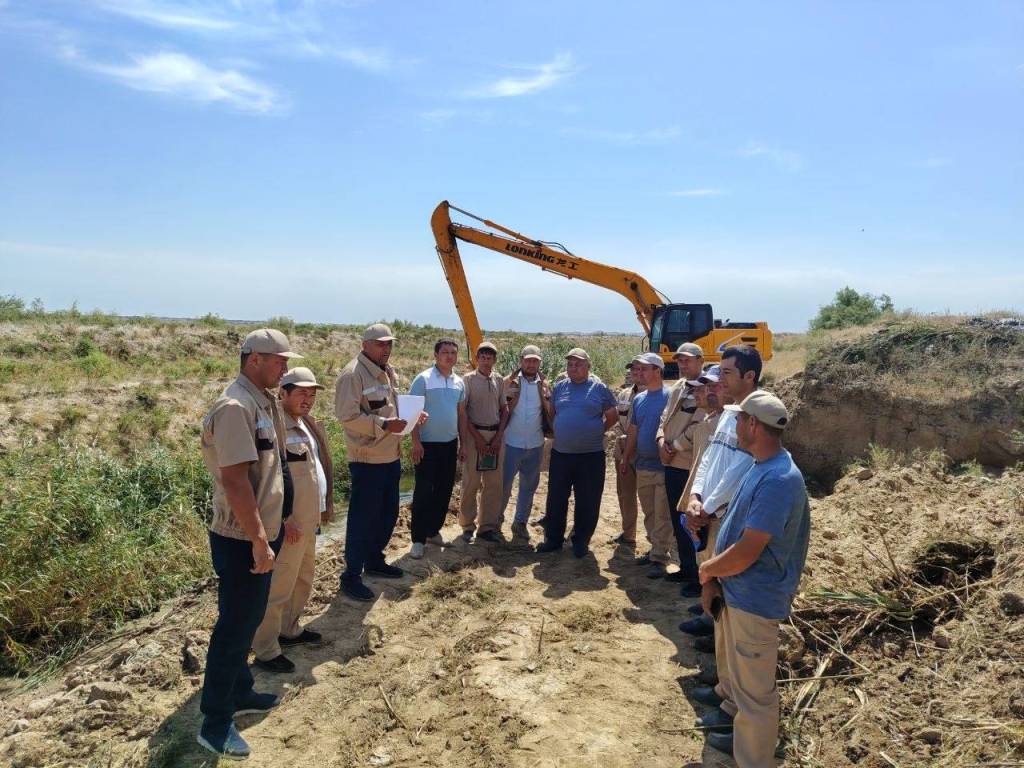
A seminar was held in the Zafarobod district of the Jizzakh region on improving the amelioration of irrigated lands, the timely identification of existing problems, and their prevention.
At an event organized by the Melioration Expedition under the Syrdarya-Zarafshan Irrigation Systems Basin Department, held at the Hamid Olimjon District Farmers' Association, a range of interconnected issues were discussed, including land fertility, groundwater levels, soil salinity, the condition of collector-drainage networks, and the rational use of machinery and mechanisms.
Ultimately, our approach to the land determines not only the fate of today's harvest but is also a critical factor in securing the livelihood of future generations and the sustainable future of agriculture. Especially in the context of increasing water scarcity and climate change, monitoring the ameliorative condition of irrigated lands is of strategic importance.
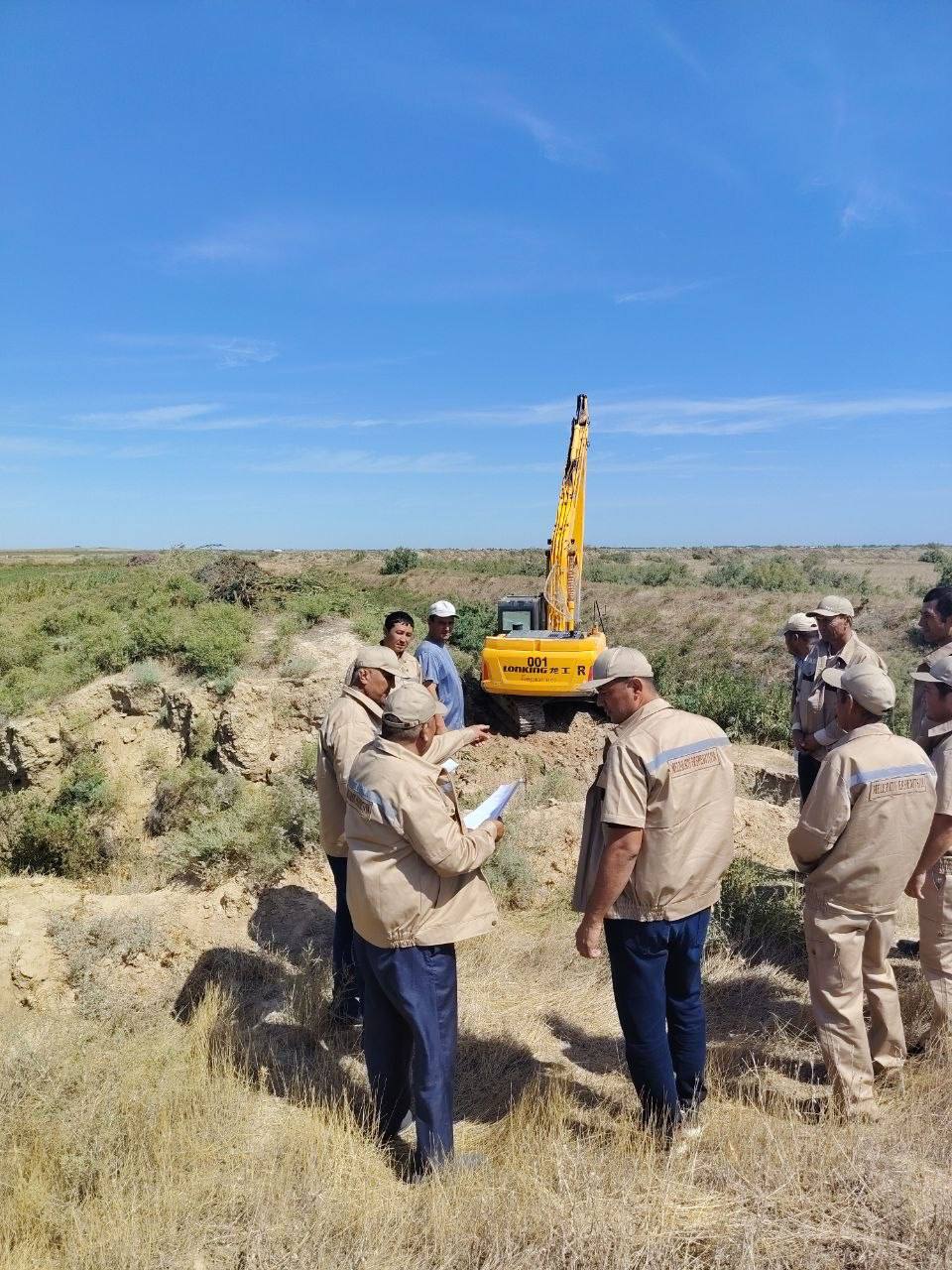
According to experts, soil salinization and rising groundwater levels in arid and semi-arid regions significantly affect the fertility of agricultural lands. The effective operation of drainage systems is one of the most important tools for removing excess moisture and salts from the root zone and maintaining land productivity.
The event participants were familiarized with the work being carried out under the "Repair and Restoration of the Tukursay Collector System" project. Specifically, they reviewed the repair and restoration process of the collector-drainage networks and exchanged views on their role in maintaining the stable ameliorative condition of irrigated lands in the area.
Experts explained the importance of regularly monitoring groundwater levels. It is far more effective to identify and prevent a problem in its early stages than to address its consequences after they have occurred. In this sense, observation wells and a regular monitoring system serve as vital tools for monitoring the "health" of the land.
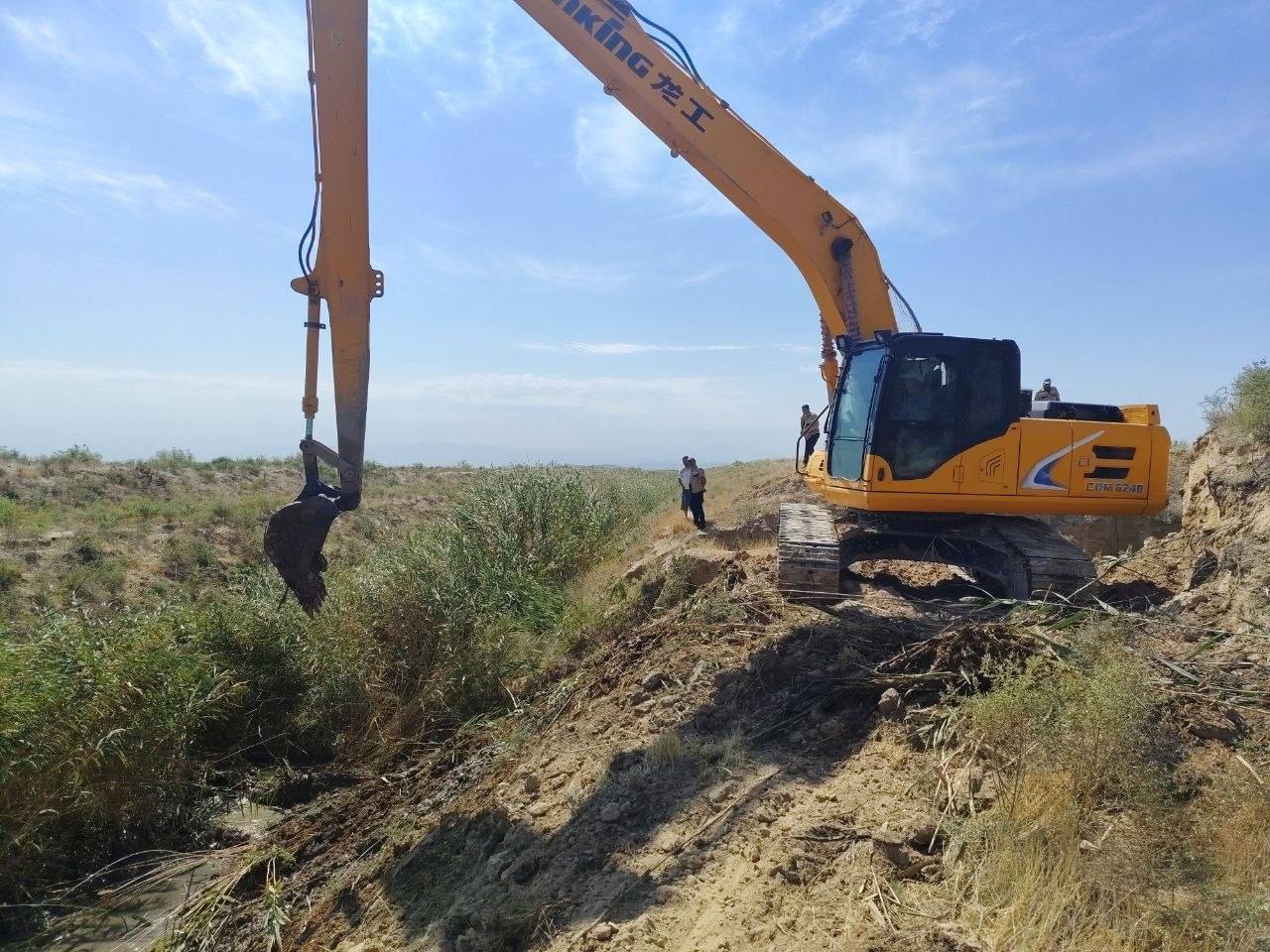
According to the Ministry of Water Resources of Uzbekistan, a vast collector-drainage infrastructure serves to maintain the stable ameliorative condition of irrigated lands in the country. Its constant maintenance, efficient use, and modernization based on current requirements have been identified as priority tasks.
The seminar also provided practical recommendations on the efficient use of machinery and mechanisms, their thorough preparation for seasonal work, monitoring their technical condition, and the economical use of fuel and lubricants. This serves to optimize costs while ensuring the timely and high-quality implementation of land reclamation measures.
The issue discussed today in the context of a single district is, in fact, not limited to a local scope. Land salinization, water scarcity, changes in groundwater levels, and the stability of drainage systems are common problems for many agricultural regions worldwide. Therefore, expanding practical approaches like those in Zafarobod, popularizing best practices, and scientifically monitoring the ameliorative situation is important not only for our country but also at the regional and international levels.
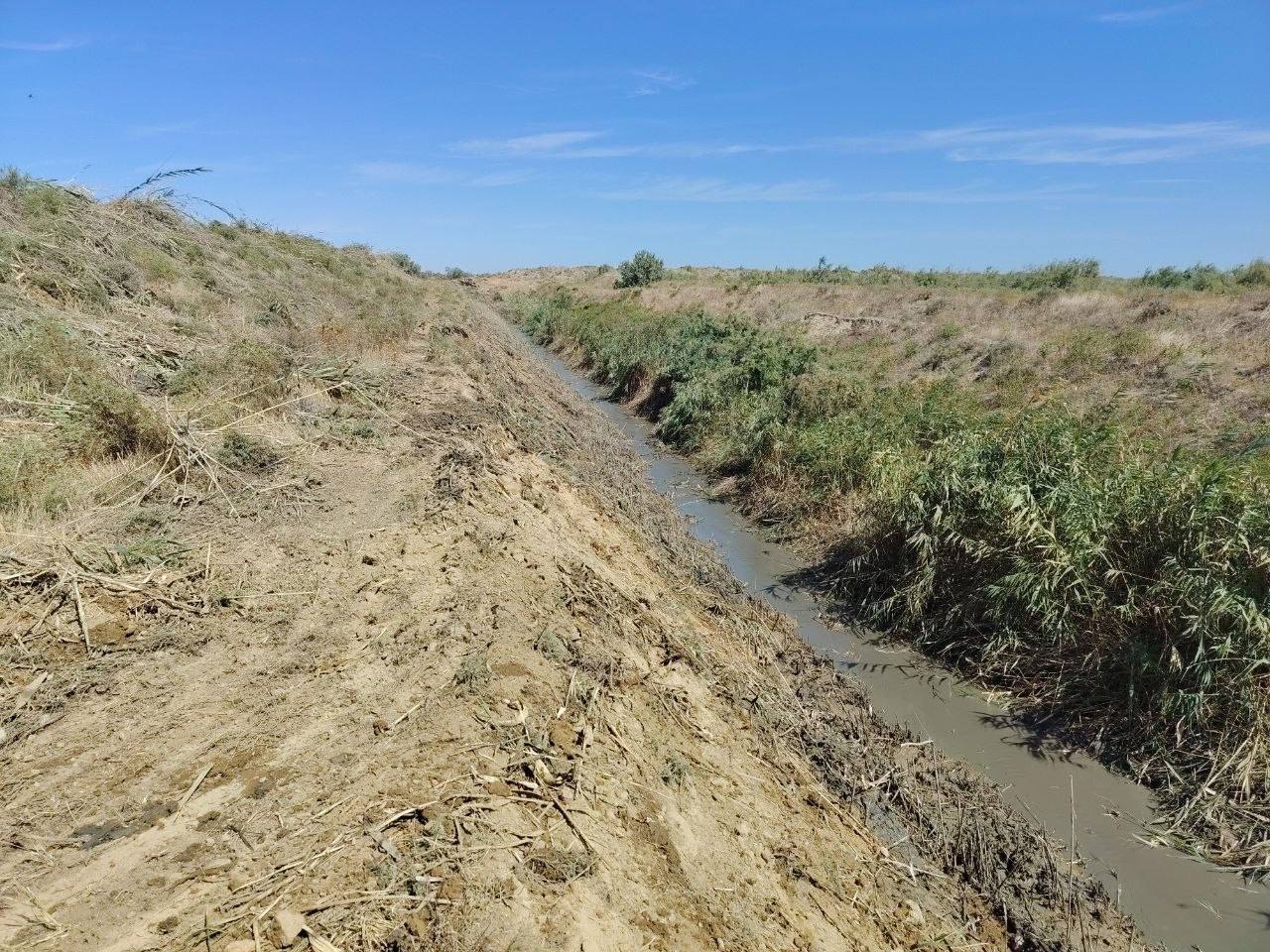
Most importantly, land reclamation is not just about preserving the land, but ensuring its future productivity. We must not forget that every effort spent today on cleaning a collector, monitoring groundwater, identifying salinity, and maintaining equipment will return tomorrow as a bountiful harvest, saved water, and preserved fertile soil.
Abdujalol Kayumov, UzA correspondent