Mahalla should evolve into a hub of trust, support, and opportunity for its residents
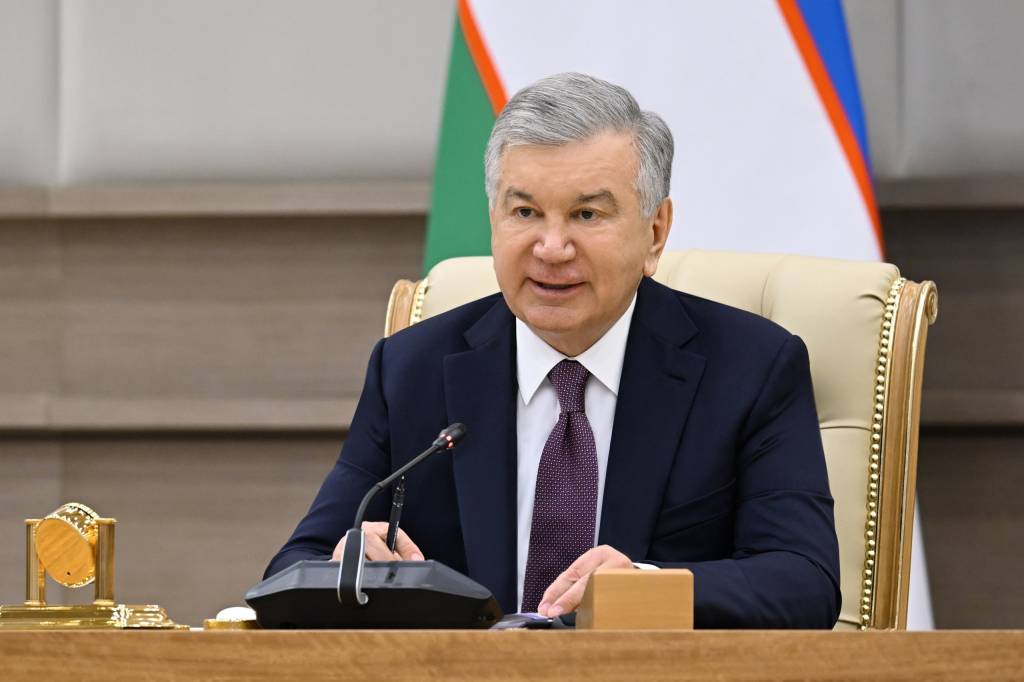
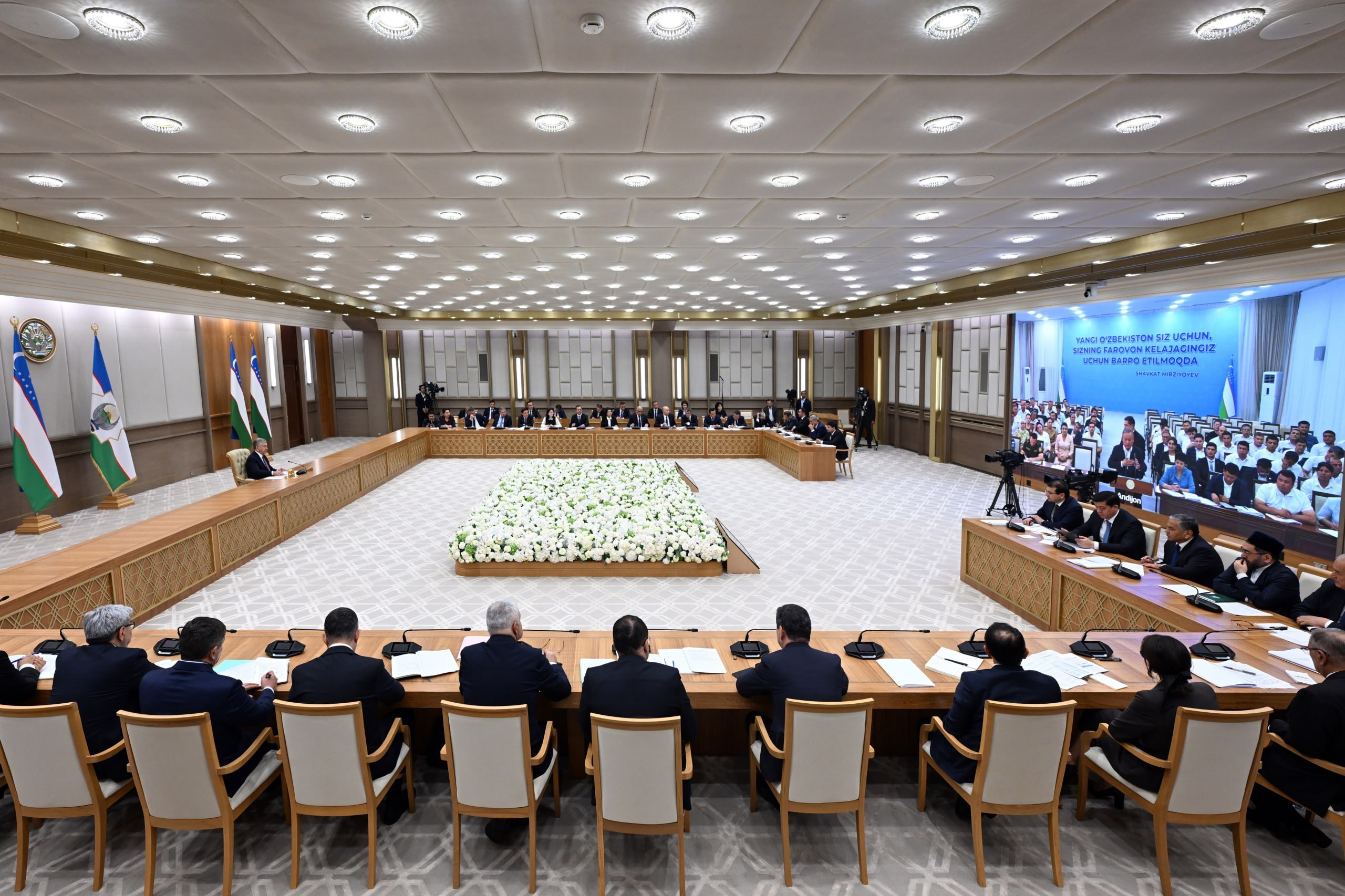
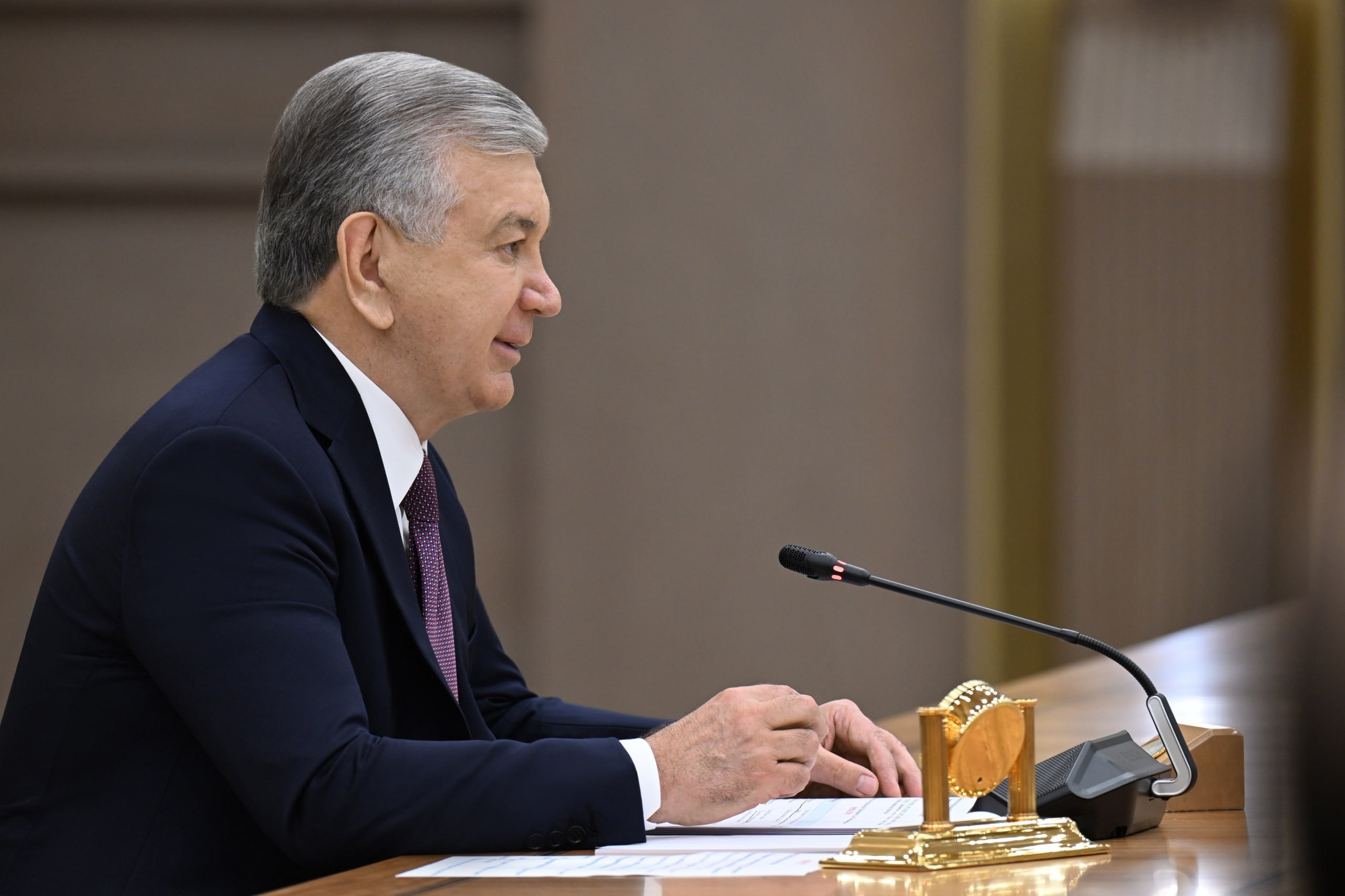
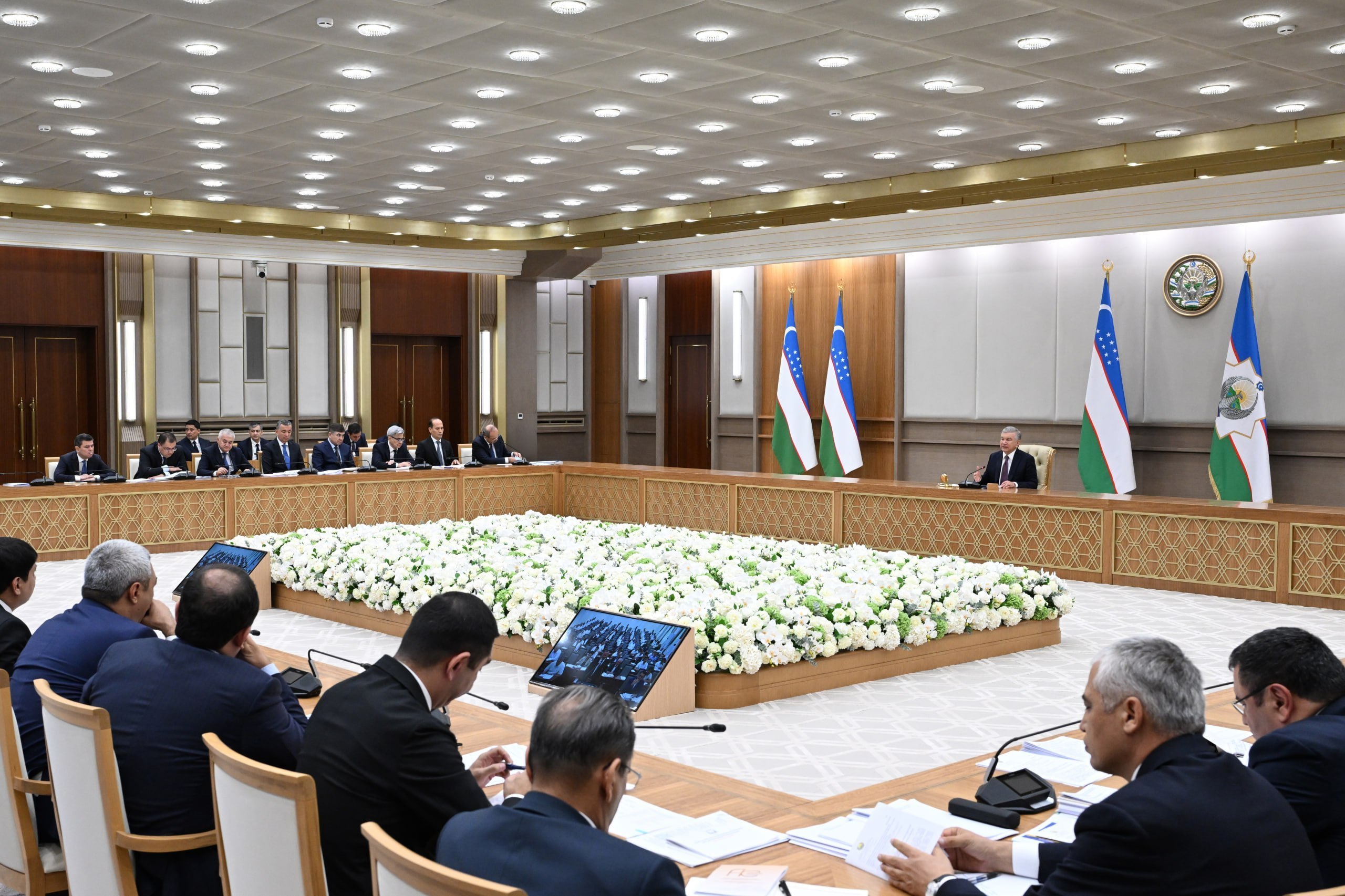
President Shavkat Mirziyoyev chaired a meeting to create a new environment in mahallas and reorganize the activities of the “mahalla of seven”.
The Head of State noted that this year, districts received an average of 250 billion UZS each, while mahallas received 5.5 billion UZS each to improve infrastructure and create better conditions for residents and entrepreneurs.
As a result of granting more authority to district hokims and mahalla chairpersons in revenue collection, the amount of extra revenue kept locally almost doubled. On average, districts retained an additional 22 billion UZS, while mahalla budgets gained an additional 150-200 million UZS.
“Simply put, the hokim, the mahalla chairperson, and, in general, every member of the ‘seven’ have the resources and authority to address local issues. What is lacking is responsibility and initiative”, the President said.
Analysis shows that in some mahallas, problems are not being addressed promptly. This year alone, more than 200 appeals were submitted from each of 87 mahallas through the People’s Reception Offices.
In addition, although 7.5 trillion UZS were allocated this year under the Participatory Budgeting program, no project from 2,136 mahallas was selected as a winner. Over six months, banks allocated 18.5 trillion UZS in financing for small projects, 110,000 microprojects were implemented, and employment was provided for 259,000 people. However, only two microprojects were launched in each of 47 mahallas.
Criticism was expressed about the low involvement of low-income families in projects in certain districts, and that in 32 mahallas, home to 960 low-income families, no one in need was placed in permanent employment. It was also noted that in 883 mahallas, bank representatives had not conducted door-to-door visits to develop projects or met with entrepreneurs.
Since the beginning of the year, 152 officials who failed to organize work in mahallas properly have been dismissed from their posts, and another 700 have faced disciplinary action.
The meeting included a detailed discussion of crime prevention in mahallas, addressed the population’s concerns, and increased the accountability of the “seven”.
The Head of State emphasized that the mahalla must become a true center of trust, support, and opportunity for people.
A Presidential decree on the effective organization of mahalla governance was recently signed. Under the decree, the mahalla chairperson must evolve from merely recording social problems to serving as an “economic client” for the territory.
From now on, each mahalla chairperson will identify the economic and social needs of their territory. Each problem will be accurately assessed, a project will be prepared, and the responsible organizations will be assigned specific tasks. Mahalla chairpersons will also be authorized to put land plots up for auction to construct private kindergartens, schools, clinics, and sports facilities.
The Head of State emphasized that mahalla chairpersons must take the initiative on projects to address social problems, maintain cleanliness, and increase incomes.
The “mahalla of seven” will receive grants of 10 million UZS each for these projects. A total of 240 billion UZS will be allocated for this purpose.
The mahalla chairperson must become a true manager of their territory. They will approve the weekly and monthly work plans of the assistant hokim, women’s activist, youth leader, social worker, prevention inspector, tax inspector, and mahalla banker, assign specific tasks to them, and hold them accountable for implementation.
A National Institute for Mahalla Development will be established to provide methodological support for the “seven” and to introduce a scientific approach to addressing problems in mahallas. It will train members of the “seven” and develop evidence-based solutions to pressing issues facing mahallas.
The meeting also determined that the working methods of mahalla bankers would be fundamentally revised. Banks will now be required to identify the growth points of each mahalla, find enterprising individuals, and increase the number of income-generating projects. From now on, no more than three mahallas will be assigned to each mahalla banker.
Mahalla bankers will work with bank clients in their assigned territories, identify available jobs, and determine the requirements for those jobs. They will submit requests to employment departments to train unemployed people in the relevant occupations and help those who complete the training find employment.
This year, an additional 2 trillion UZS in concessional financing has been allocated to family entrepreneurship projects. For mahallas facing difficult socioeconomic conditions, the lending rate has been reduced from 17.5 percent to 12 percent. Mahalla bankers will now be able to use these funds for the projects they identify.
State-owned banks will work to develop mahalla specialization and, together with Agro-Star companies, establish a “cultivation – processing – storage – packaging – sales” value chain. They were instructed to launch this work in 1,000 mahallas within one month and to implement at least three “locomotive” projects in each mahalla.
New initiatives were also proposed to strengthen mahalla budgets. From now on, 5 percent of the land and property taxes collected from non-residential properties in a mahalla will be allocated to that mahalla. As a result, mahallas will retain an additional 400 billion UZS annually.
During the year, 200 mahallas that achieve the best results in registering entrepreneurs, creating new jobs, increasing revenues, and identifying additional sources of taxable income will each receive a reward of 2 billion UZS.
Overall, due to the new initiatives, revenues for mahalla budgets will reach 1.6 trillion UZS this year and 2 trillion UZS starting next year.
The year 2026 has been designated as the Year of Mahalla Development and Social Prosperity in the country. It was highlighted that the impact of reforms across all sectors should primarily be visible in mahallas and in boosting people’s morale.
This year, the 35th anniversary of the country’s independence will be widely celebrated under the noble theme “One Motherland, One People – Building New Life and Future”. To mark the greatest and most cherished holiday in mahallas with a festive spirit, the “Month of Mahalla Improvement and Compassion” has been announced.
A national headquarters, headed by the Prime Minister, will be established to coordinate improvement work in mahallas, while hokims will lead territorial headquarters. It was emphasized that this work should not be a month-long campaign but rather a nationwide movement operating year-round.
To recognize these efforts, the following categories will be announced at the end of the year: “Best-Maintained Apartment” in apartment buildings, “Best-Improved Courtyard” in a mahalla, “Best-Improved Street” in a territory, and “Most Exemplary Mahalla” in a district and a region.
Apartments in multi-unit residential buildings that win the competition will receive property tax benefits, while private households will receive land tax benefits. The “mahalla of seven” that develops effective practices will be rewarded, and its methods will be presented to other territories as a model.
“The mahalla is the level of government closest to the people. Local authorities must address people’s daily concerns directly and efficiently, without excessive bureaucracy”, the President emphasized.
Currently, about 100 services are provided through the “seven”. In the future, all public services will be gradually transferred to the mahalla level.
The expansion of social assistance in mahallas was also addressed at the meeting. Criticism was voiced regarding unjustified refusals to include individuals in the social registry and their unilateral removal.
As a result, families in need are unable to access guaranteed services, including social assistance and their children’s enrollment in kindergartens and extracurricular clubs. In 184 mahallas, all 2,000 applications received in a single month were unjustifiably rejected. Consequently, since the beginning of the year, the number of appeals to the President regarding inclusion in the social registry has increased by 1.5 times, from 30,000 to 46,000.
The Prosecutor General’s Office was instructed to exercise strict oversight of the proper maintenance of the social registry. A task was set to transfer 25 service types to the mahalla level by the end of the year, including early detection of disabilities, housing adaptation, and placement in social housing.
Within three months, day care and home-based care services, along with “Madad” homes for people with dementia and intellectual disabilities, will be established in 250 mahallas. The “Faol Hayot” program will be launched in 75 mahallas for elderly people in need of care, and support centers will be established for unsupervised children and those affected by violence.
It was noted that the crime-prevention system established in mahallas is yielding results. Of the 1,162 mahallas with a difficult crime situation over the past three years, 571 recorded no crimes this year.
Specifically, no crimes occurred in certain “red”-category mahallas because of measures like installing surveillance cameras, developing safe streets and walkways, offering psychological support to families, and engaging in targeted efforts with at-risk individuals, unemployed people, and those prone to criminal activities.
Working with scientific organizations responsible for crime prevention, a methodology will be developed based on the experience of exemplary mahallas. Throughout the year, prevention inspectors from “red”- and “yellow”-category mahallas will receive on-site training using this methodology.
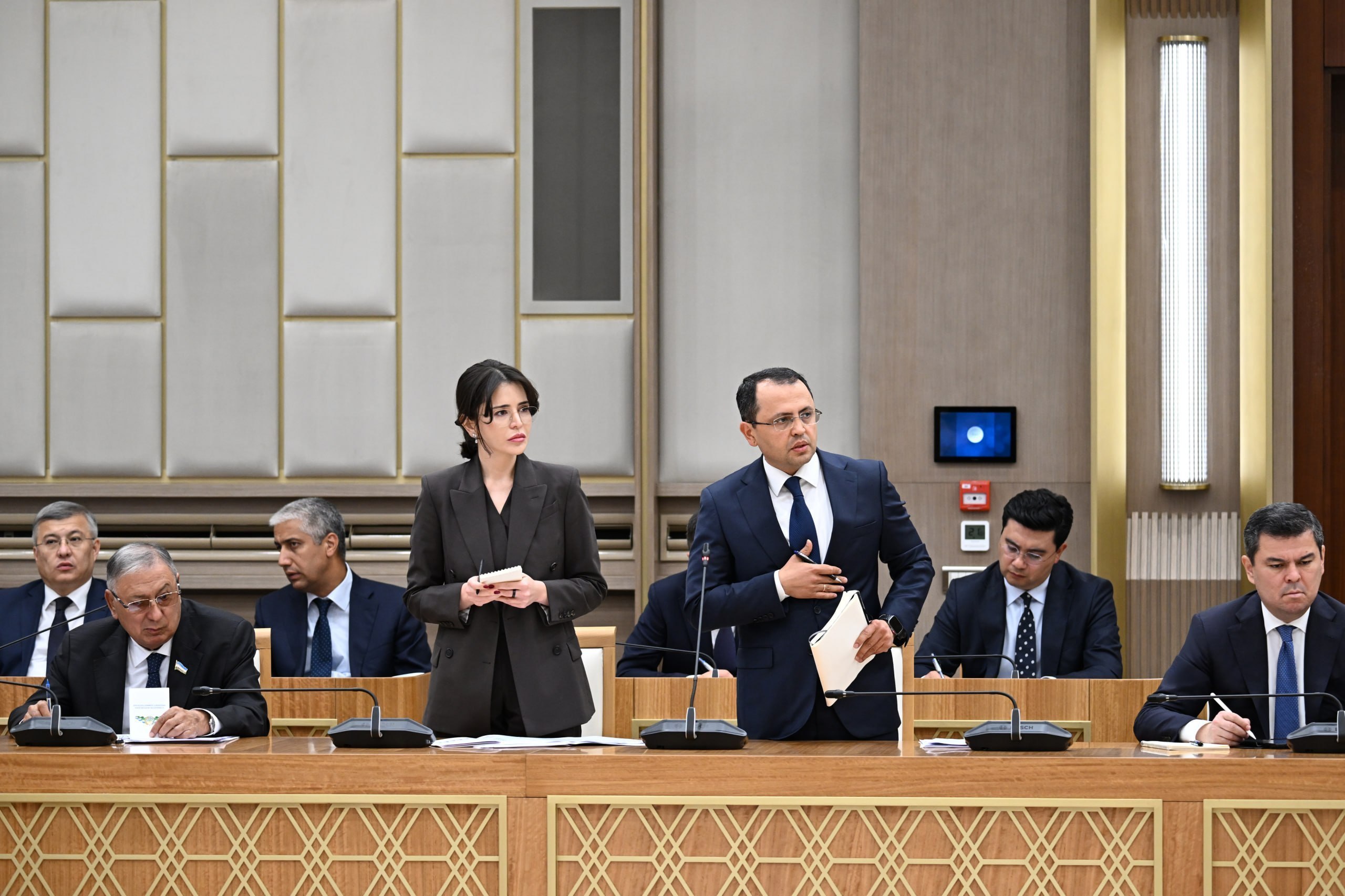
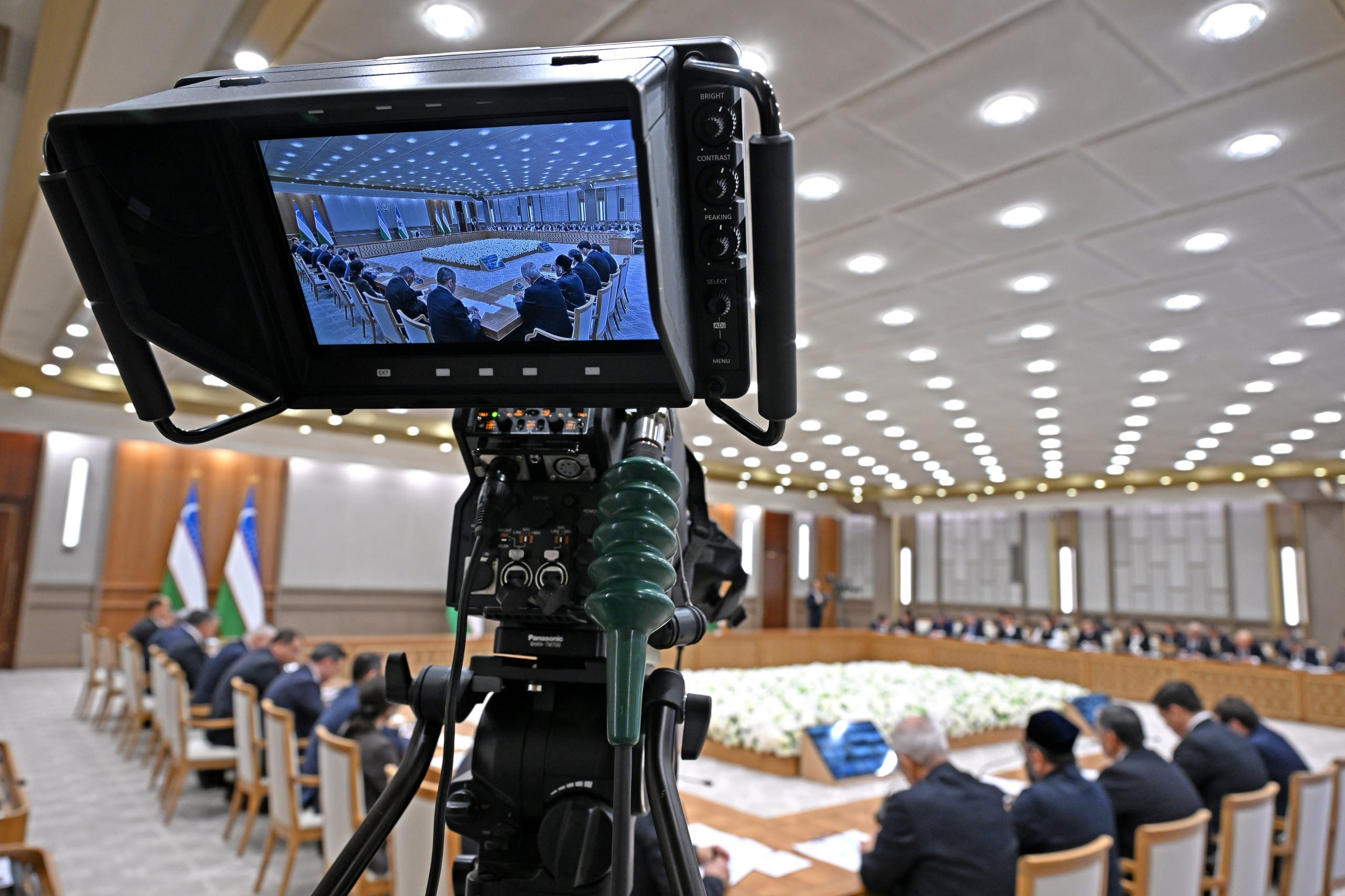
During the meeting, officials presented their reports, followed by a discussion with mahalla representatives.
UzA