Tashkent’s experimental Jemchug building included on UNESCO World Heritage List
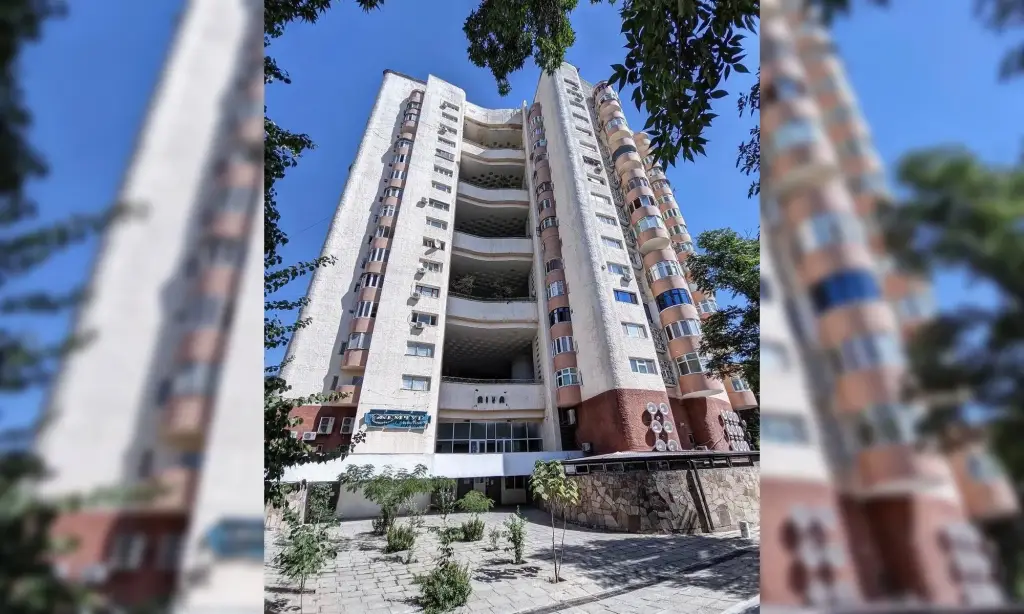
The Jemchug building, near the Cosmonauts metro station, has long been regarded as one of the main symbols of Tashkent’s modernism.
Designed by architect Ofeliya Aydinova in the early 1970s, the project followed the devastating 1966 earthquake, when the city urgently needed new solutions for earthquake-resistant housing. Approval of the unconventional project took almost ten years, and construction was not completed until 1985.
Its main feature consists of open terraces that link the building’s two semicircular sections every three floors. Instead of a typical entrance corridor, residents have access to a shared courtyard designed for socializing and recreation.
For decades, Jemchug served as a typical residential building and faced routine maintenance issues, ranging from a leaking roof to unauthorized alterations residents made to their apartments. Its new status may provide an impetus for systematic restoration and the recovery of its original architectural appearance.
O. Akaboyev, UzA