Samarkand Global Conference: The Economic Rights of Youth, Ending Violence, and Open Dialogue
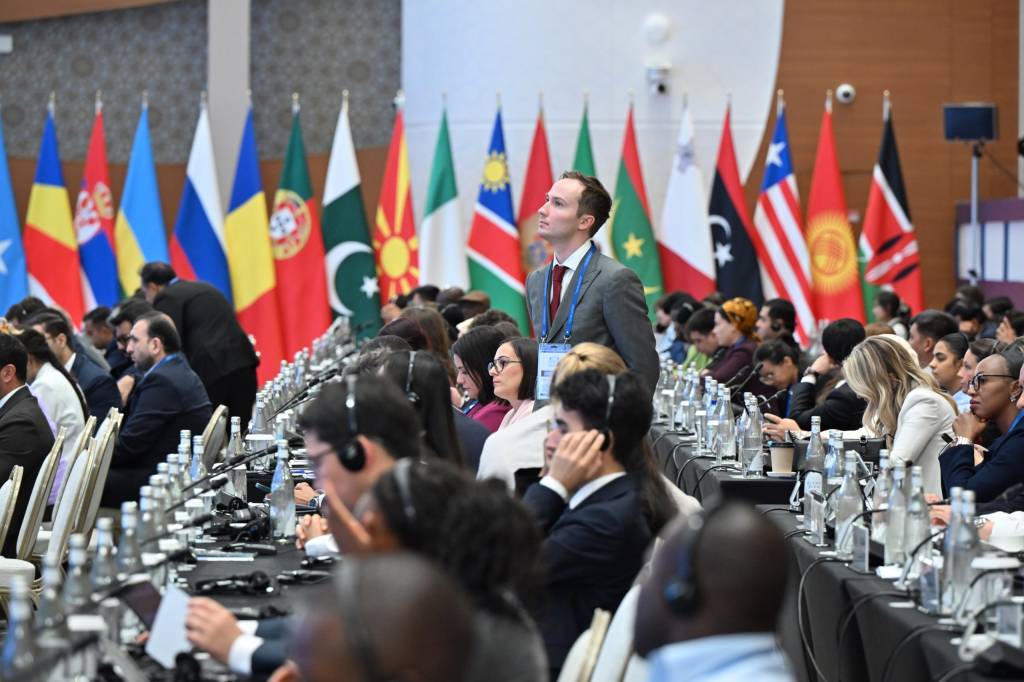
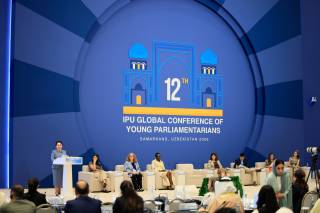
During the first working day of the 12th Global Conference of Young Parliamentarians of the Inter-Parliamentary Union (IPU), held in Samarkand, three sessions were convened to discuss youth rights, the digital space, and climate change. Three more sessions were held on the second day of the international event.
At the session on "Ensuring the Economic Rights and Employment of Youth in an Uncertain Future," it was noted that economic changes and new labor market demands require the creation of decent jobs for young people, the provision of fair working conditions, and the strengthening of social protection.
The presentations focused on ensuring young people's right to decent work and expanding their access to fair wages and social protection.
The role of parliaments in achieving the Sustainable Development Goals was reviewed. In particular, views were exchanged on the work being done by parliaments to ensure decent work, reduce inequality, and promote inclusive economic growth, as well as on future tasks.
At the conclusion of the discussion, proposals were developed to protect the economic rights of young people, ensure their employment, and create equal opportunities for them.
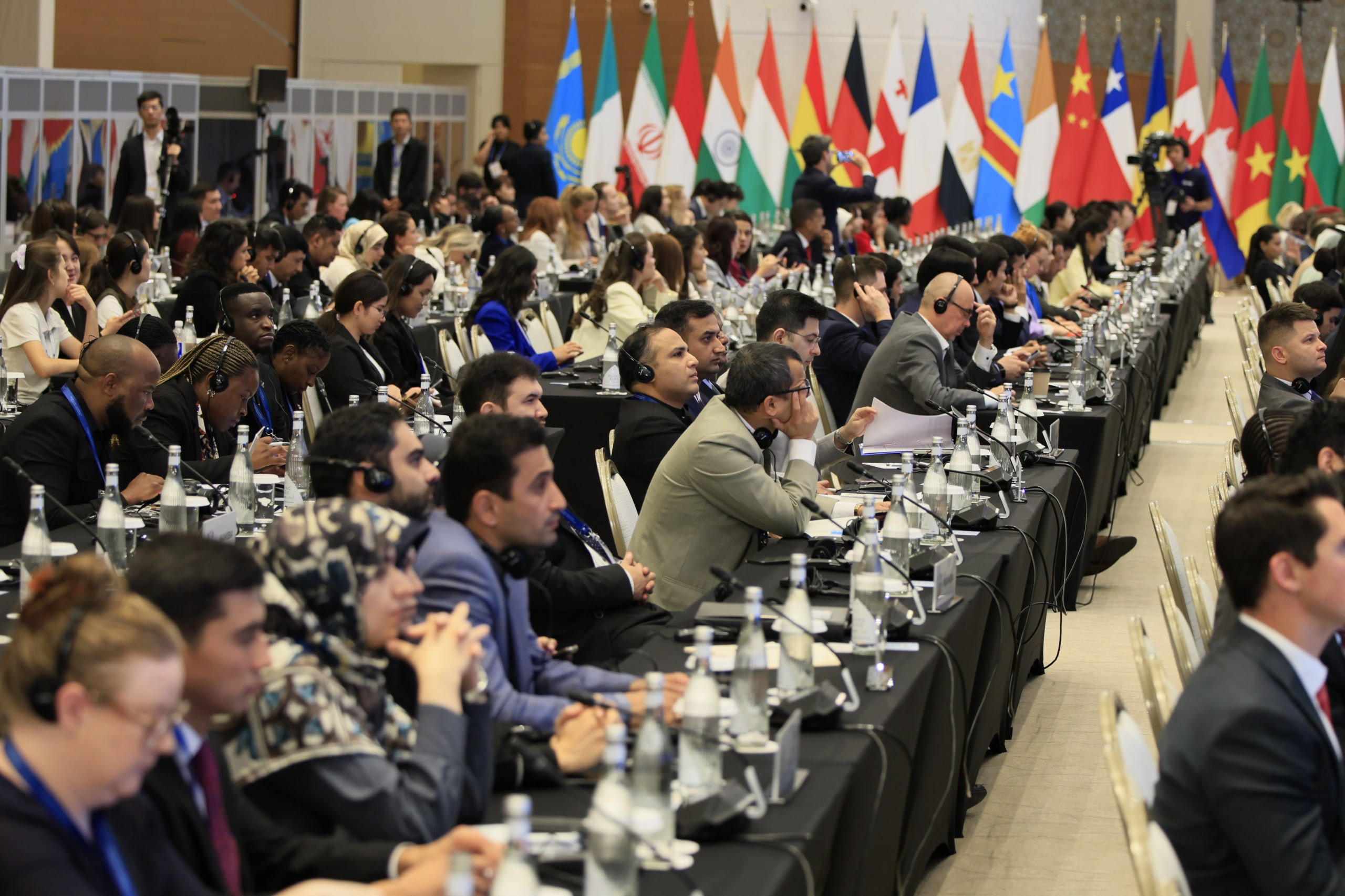
At the session on "Ensuring the Political Rights of Women and Youth and Ending Violence Against Them," issues of gender equality, youth participation in decision-making processes, and strengthening their voice in representative bodies were thoroughly examined.
The latest report by the IPU on youth participation in national parliaments was presented. It was noted that the opportunity for equal participation in political processes is one of the key indicators of a democratic society. In particular, the participation of young people and women in political decision-making is crucial for effectively protecting their interests, ensuring inclusivity in society, and developing solutions appropriate for modern challenges.
An exchange of views was held on international best practices in fostering a zero-tolerance attitude towards all forms of violence against women and youth, strengthening mechanisms for victim protection, and further improving legal guarantees.
At the end of the session, proposals were made to fully ensure the political rights of youth and women, encourage their meaningful participation in parliaments and other representative bodies, and strengthen effective measures to prevent violence.
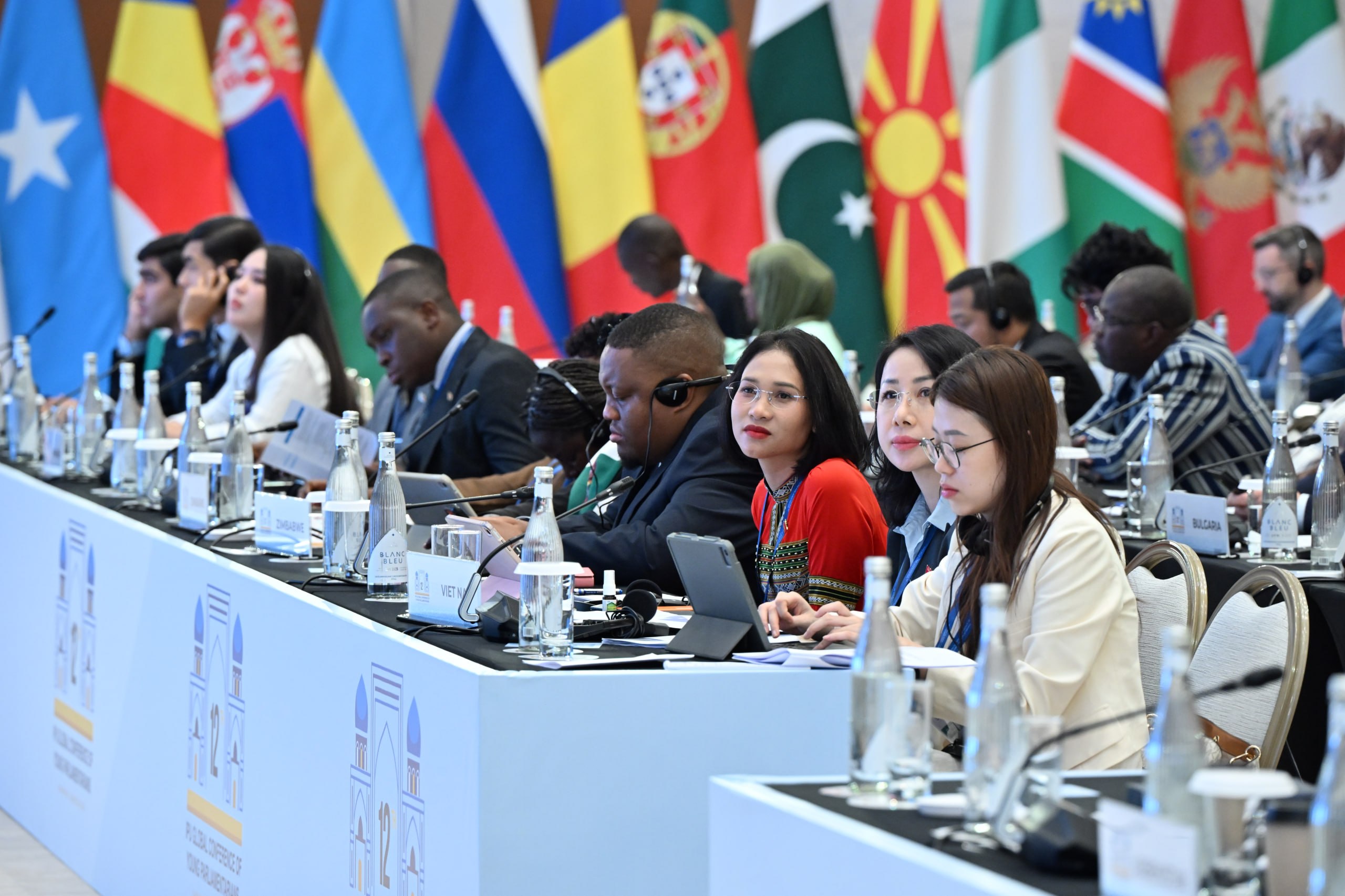
Parallel sessions were organized in the format of a training and an open conference.
The WYDE training focused on preventing and eliminating violence against women, improving effective policy and legislative mechanisms in this area, the role of parliaments, and strengthening cooperation among stakeholders.
In the open conference format, working groups were organized based on initiatives put forward by parliamentary representatives. Young members of parliament, whose topics were selected, participated in these groups as session moderators, guiding the discussion.
This open dialogue platform allowed young parliamentarians to discuss experiences from their own countries and parliaments, put forward new ideas and initiatives, and also develop common solutions.
N. Abduraimova,
A. Isroilov (photo),
UzA