Progress of waste-to-energy projects reviewed
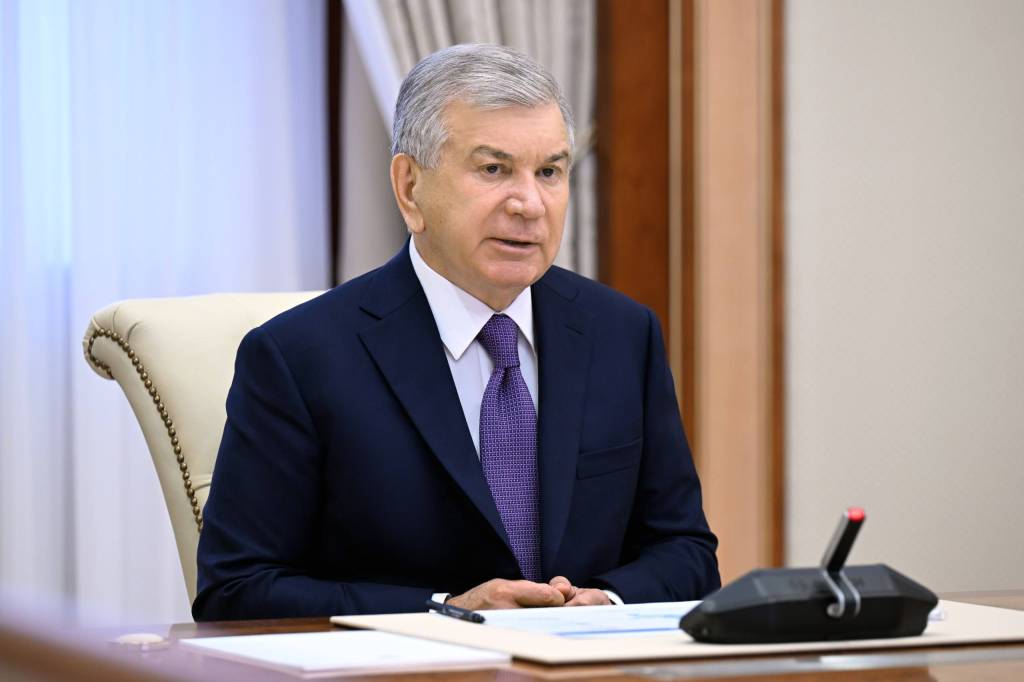
President Shavkat Mirziyoyev reviewed a presentation on investment projects to improve waste management, waste processing, and electricity generation.
Consistent measures are being taken in Uzbekistan to ensure environmental sustainability, process household waste, and reduce the burden on landfills. This process relies on introducing modern technologies, turning waste into an economic resource, and widely applying circular economy principles.
To this end, six waste-to-energy investment projects are planned for implementation in 2026-2027. Their total cost is $933 million. The projects are being implemented in cooperation with Chinese companies.
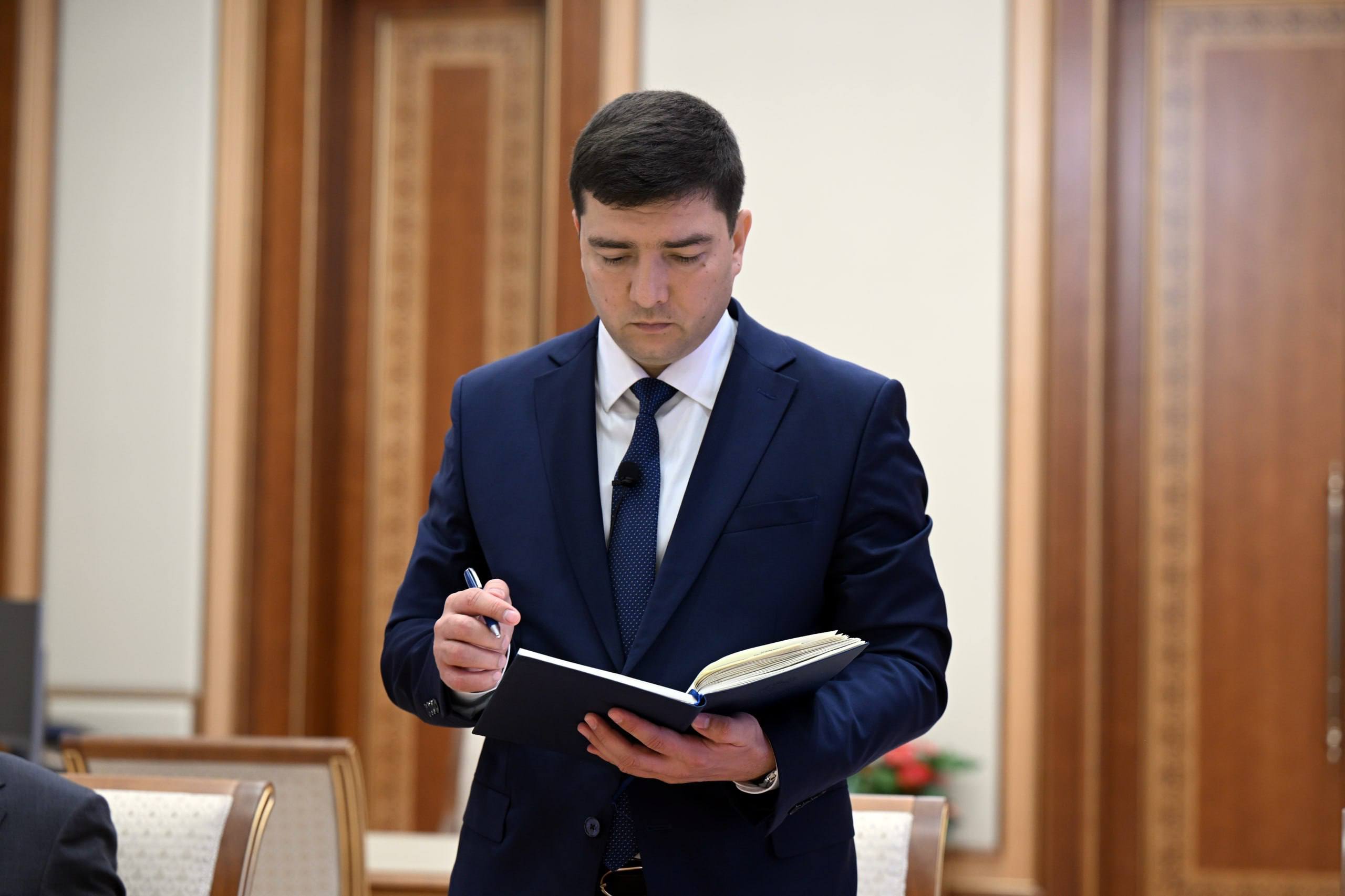
As of September 1, $286.8 million in investment has been utilized under these projects. Purchases of domestically produced goods and services have reached $76.6 million. Two thousand local workers have been involved in construction.
The projects will be implemented in Kashkadarya, Samarkand, Tashkent, Andijan, Fergana, and Namangan regions. The plants in Kashkadarya and Samarkand regions are scheduled to be commissioned in 2026, while facilities in the other regions will become operational in 2027.
Once fully operational, these enterprises will process 3.6 million tons of municipal solid waste annually and generate 1.6 billion kilowatt-hours of electricity. At the same time, this will create greater opportunities for a phased transition to the “zero waste” principle, reducing the burden on landfills and improving the environmental situation.
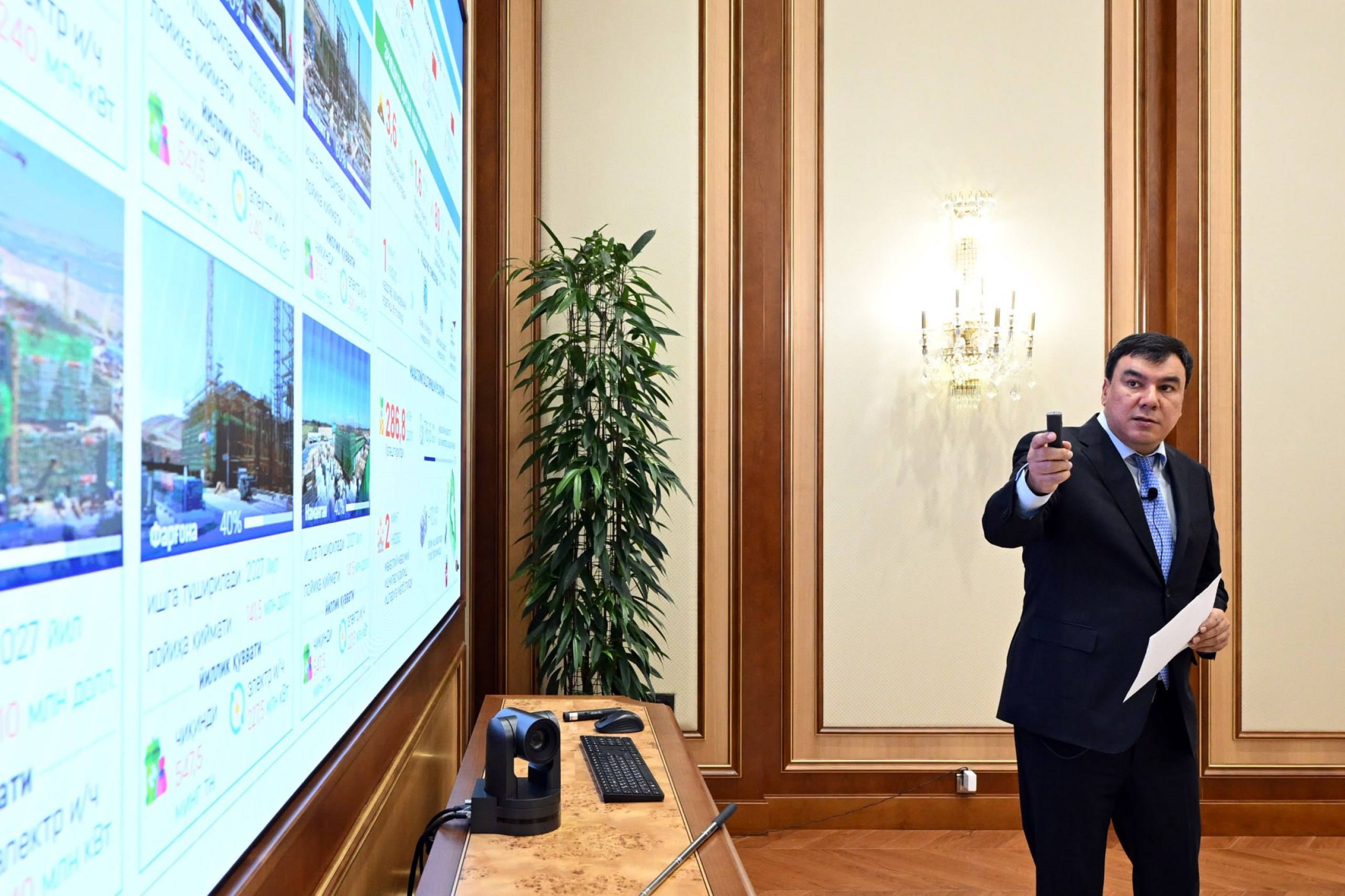
During the presentation, five additional prospective waste-to-energy investment projects involving companies from Singapore, South Korea, and China were also reviewed. Their total cost is $625 million. The projects are planned for implementation in the Republic of Karakalpakstan, and Jizzakh, Surkhandarya, Bukhara, and Khorezm regions.
Once implemented, these projects will enable processing 1.9 million tons of municipal solid waste annually and generating 635 million kilowatt-hours of electricity. They will create 500 new jobs, save 158 million cubic meters of natural gas, and reduce greenhouse gas emissions by 316 thousand tons.
Officials presented a comparative analysis of the costs of establishing landfills and waste incineration plants, land requirements, budget revenues, and environmental efficiency. The main conditions for minimizing the environmental impact of waste incineration were considered, taking into account international experience and investors’ obligations.
The Head of State emphasized the need to accelerate project implementation, create the necessary infrastructure and organizational conditions for investors, increase localization, and train qualified specialists in this field.
An instruction was given to establish a pool of 1,000 qualified specialists for waste incineration plants in cooperation with Green University, Samarkand State University, and Karshi State University.
UzA