President of Uzbekistan summarizes 25 years of development of the Shanghai Cooperation Organization
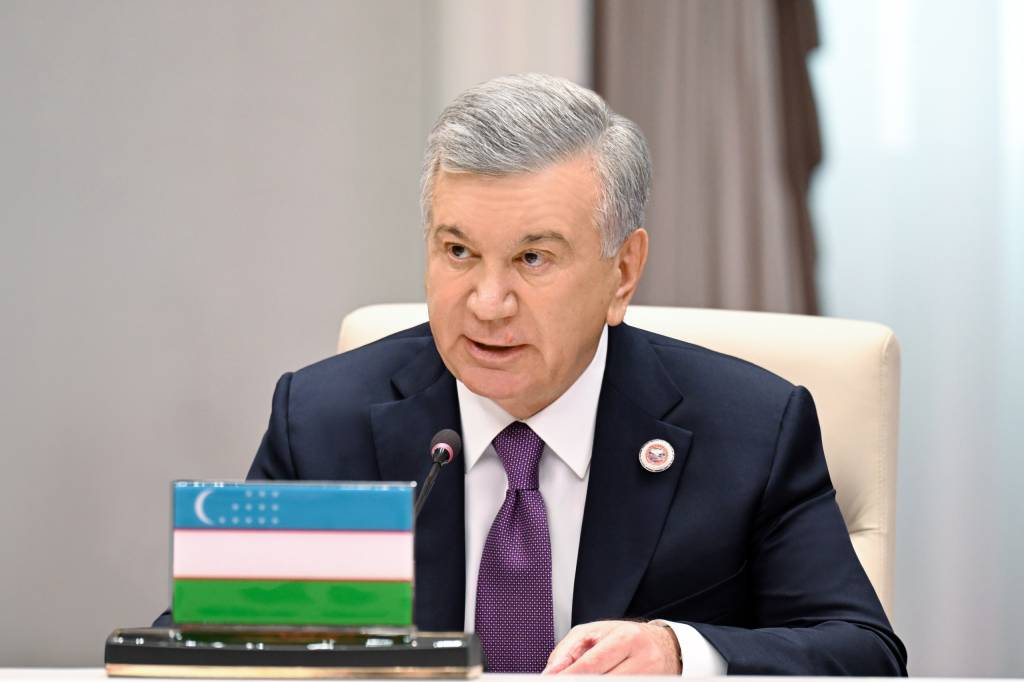
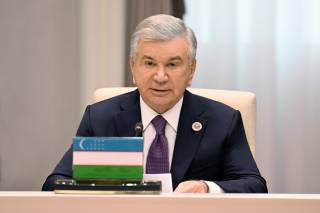
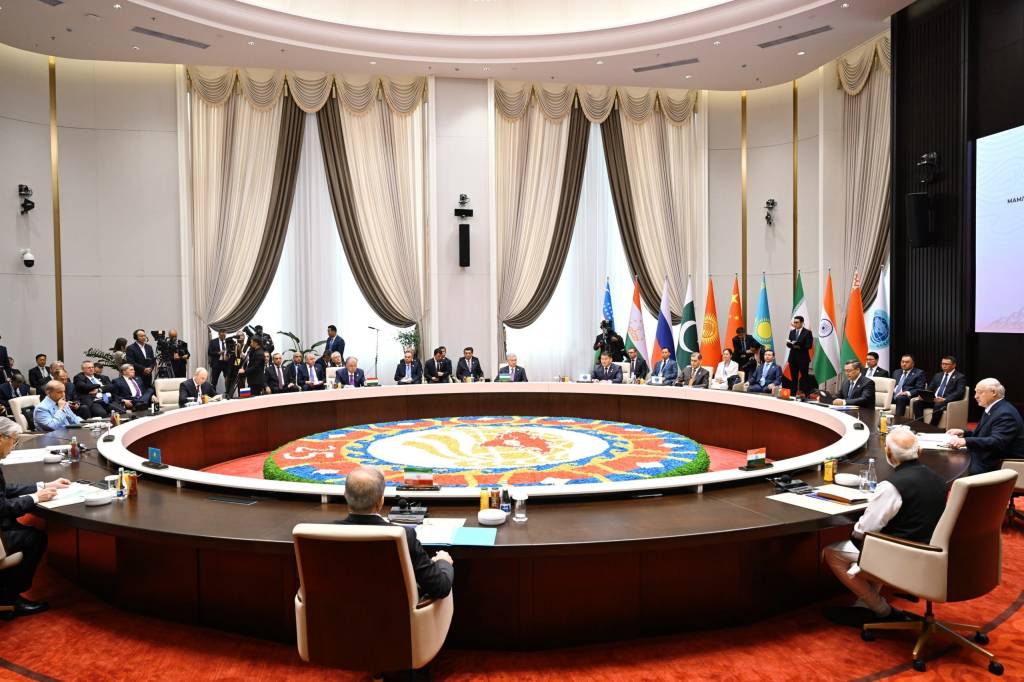
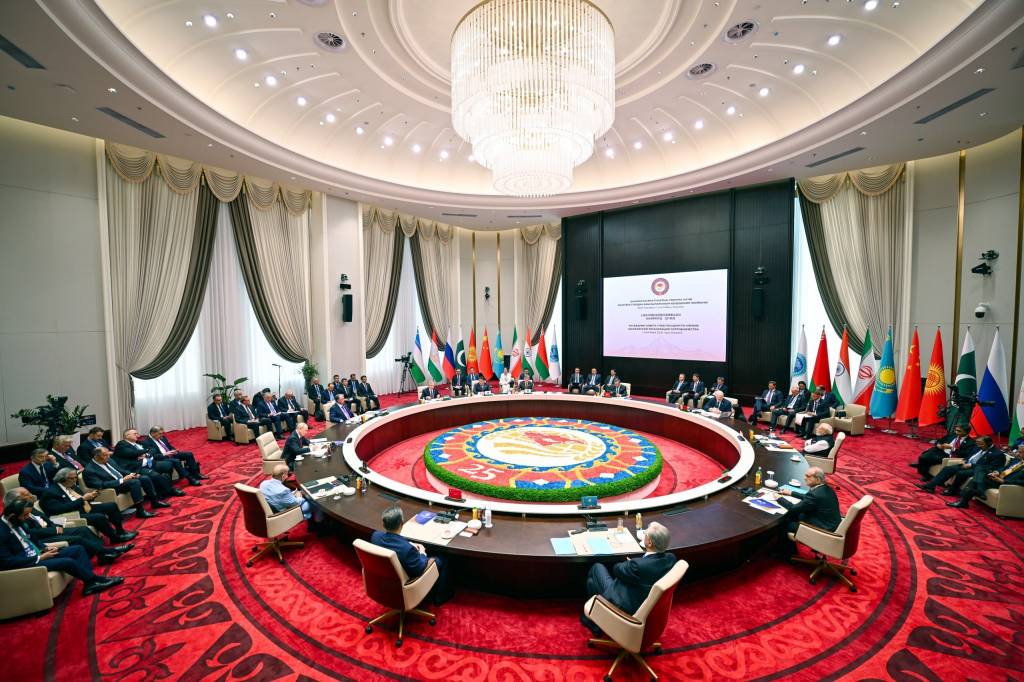
On September 1, the President of the Republic of Uzbekistan Shavkat Mirziyoyev attended the anniversary meeting of the Council of Heads of State of the Shanghai Cooperation Organization in Bishkek.
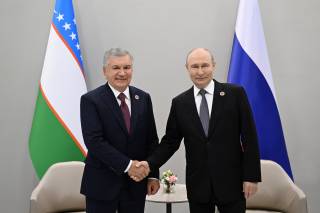
The event, chaired by the President of the Kyrgyz Republic Sadyr Japarov, was also attended by the President of the Republic of Belarus Alexander Lukashenko, Prime Minister of the Republic of India Narendra Modi, President of the Islamic Republic of Iran Masoud Pezeshkian, President of the Republic of Kazakhstan Kassym-Jomart Tokayev, President of the People’s Republic of China Xi Jinping, Prime Minister of the Islamic Republic of Pakistan Shehbaz Sharif, President of the Russian Federation Vladimir Putin, President of the Republic of Tajikistan Emomali Rahmon, as well as SCO Secretary-General Nurlan Yermekbayev and Director of the Executive Committee of the SCO Regional Anti-Terrorist Structure Ularbek Sharsheev.
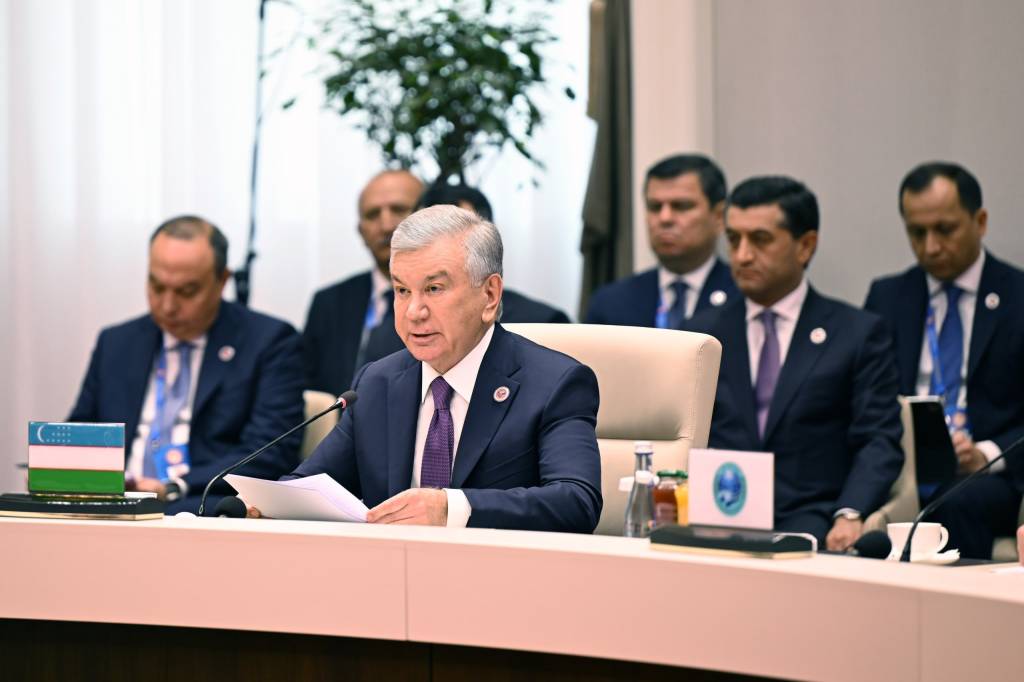
In accordance with the agenda, the participants discussed the Organization’s achievements over its 25 years of activity, as well as priority tasks to strengthen stability, expand cooperation, and advance joint development. An open exchange of views also took place on the most pressing international and regional issues.
At the meeting, the heads of delegations warmly congratulated President Shavkat Mirziyoyev and the people of Uzbekistan on Independence Day. They praised the large-scale domestic transformations underway under the President’s leadership, as well as the pragmatic and open foreign policy aimed at strengthening the country’s stability, security, and prosperity and improving the well-being of its people.
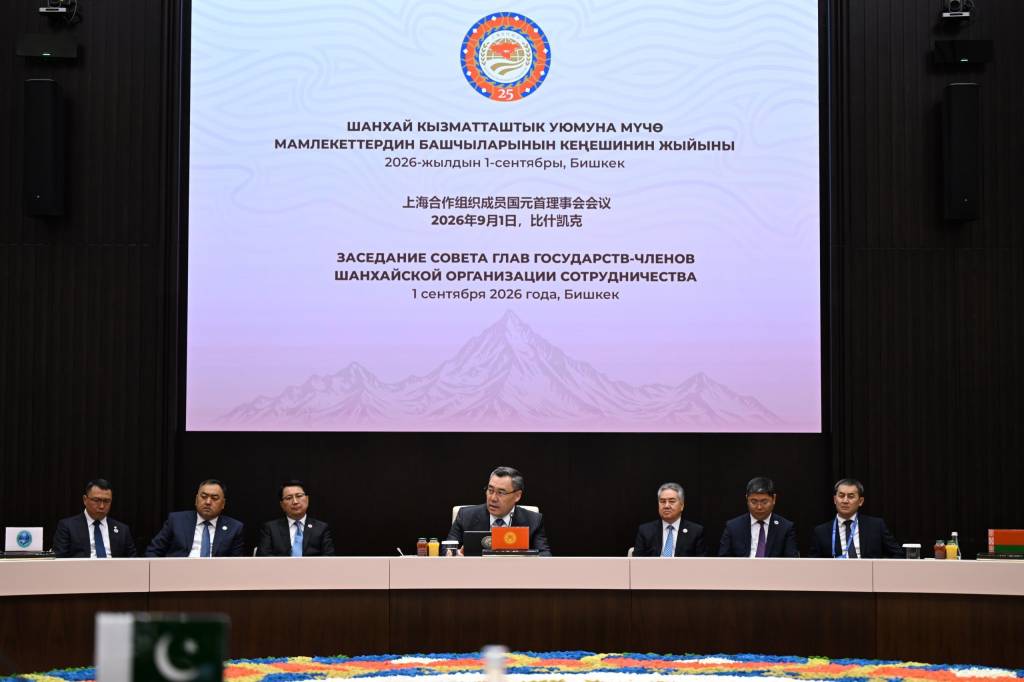
Welcoming the meeting’s participants, the President of Uzbekistan extended his best wishes to the President of Kyrgyzstan and the fraternal Kyrgyz people on the occasion of the 35th anniversary of state sovereignty. He particularly noted the country’s impressive development and the consistent strengthening of its standing in the international arena. The fruitful outcomes of Kyrgyzstan’s chairmanship of the Shanghai Cooperation Organization were also highlighted, and support was expressed for the meeting’s agenda and draft decisions.
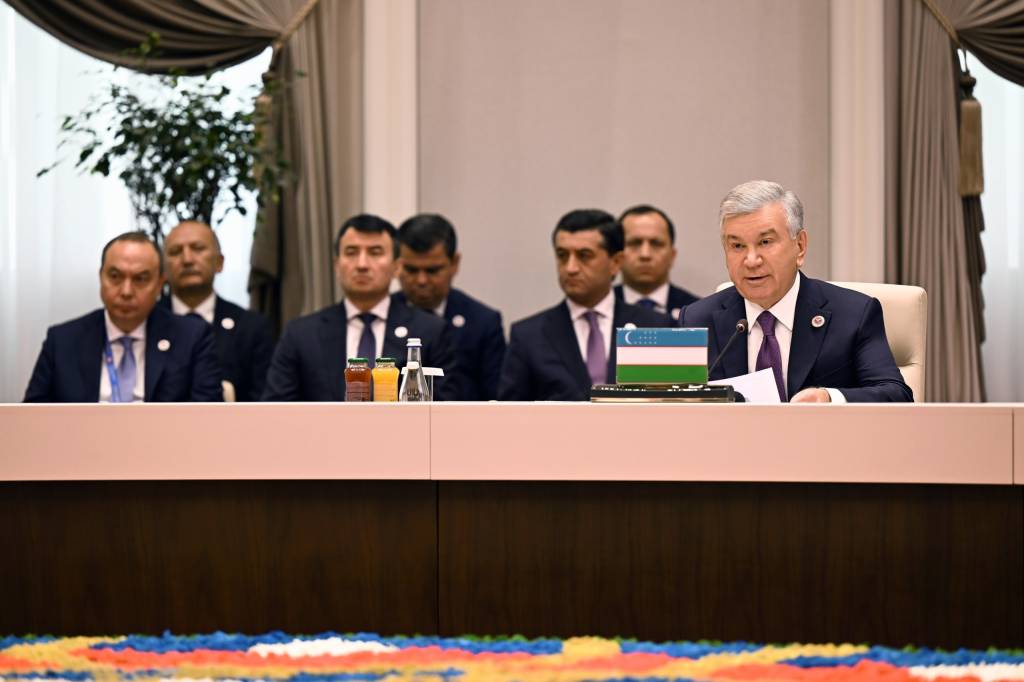
The President of Uzbekistan emphasized that over the past quarter-century, the Organization has demonstrated its relevance and effectiveness. Guided by the principles of the SCO Charter and the Shanghai Spirit, the SCO has ensured equal dialogue and contributed to regional stability and sustainable development.
Since the SCO’s establishment, Uzbekistan has consistently supported its development as an open, non-bloc, and peace-oriented platform for cooperation, with Central Asia at its core.
Against the backdrop of growing geopolitical divisions, a growing deficit of trust, escalating conflicts, and the erosion of international law, the need to resume dialogue and pursue de-escalation in the Middle East was once again emphasized.
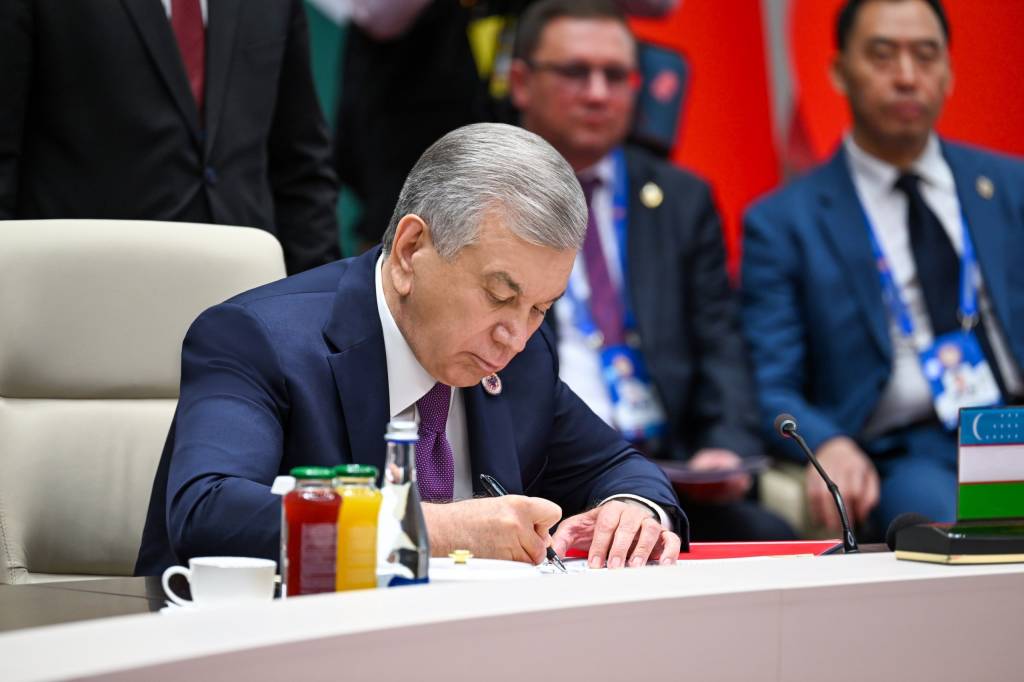
The President of Uzbekistan outlined the most pressing challenges facing the SCO.
It was proposed to begin developing a conceptual vision titled “SCO 2040: A Space for Common Development”.
“Its main goal should be to create an interconnected and sustainable space where investments, technologies, and knowledge can circulate freely, major infrastructure and industrial projects can be implemented, and direct ties among regions, businesses, and people can be strengthened”, the Head of State noted.
The development of an SCO Industrial Cooperation Map was identified as a key priority. It would bring together special economic zones, production processes, markets, and logistics in a unified digital platform for businesses, investors, and government agencies.
Among the priority measures, the Council of Heads of Government was urged to begin selecting a portfolio of projects in transport, energy, industrial cooperation, and digital infrastructure, with a view to their implementation following the practical launch of the SCO Development Bank.
Welcoming the initiative by the President of the People’s Republic of China to establish a World Artificial Intelligence Cooperation Organization, the President of Uzbekistan proposed a partnership between the SCO and this new technological alliance. He also advocated adopting a decision to create an SCO Open Multilingual Data Corpus. Uzbekistan also expressed its readiness to host an SCO Forum on Artificial Intelligence and New Digital Solutions.
In response to climate challenges, the need to develop a unified SCO agenda for food, water, and energy security was emphasized. To advance this agenda, it was proposed to establish a specialized SCO mechanism to coordinate comprehensive programs, facilitate technology exchange, and share advanced knowledge.
As one step in this direction, it was proposed to develop the SCO Program of Technological Cooperation in Water and Energy Efficiency through 2035.
To further develop an extensive system of international transport corridors, the establishment of a Council for the Integration of the Railway Networks of the SCO Member States was proposed.
The preservation of peace and stability in Afghanistan was recognized as a fundamental prerequisite for the security and development of the region. In this regard, the initiative proposed resuming regular dialogue between the SCO and Afghan representatives.
The Head of State expressed confidence that adopting the Regulations on the Universal Center for Countering Security Challenges and Threats in Tashkent marks the beginning of a new stage in the Organization’s institutional development and assured that all necessary conditions would be created for its effective operation.
To strengthen friendly ties between the peoples, it was proposed to develop a Cooperation Program for the Preservation and Promotion of Traditional Arts and Intangible Cultural Heritage for 2028-2030.
In conclusion, the President of Uzbekistan congratulated the Prime Minister of the Islamic Republic of Pakistan Shehbaz Sharif on assuming the chairmanship of the Shanghai Cooperation Organization.
Following the meeting, a signing ceremony was held where several significant documents were adopted, including the Bishkek Declaration, the Protocol on Amendments and Additions to the SCO Charter of June 7, 2002, and the Declaration on Strengthening Multilateral Partnership for Nuclear Safety and Nuclear Security. The parties also signed important documents to strengthen cooperation in key areas.
UzA