Pilgrimage and cultural tourism: when heritage becomes an economic resource
Uzbekistan is increasingly attracting global attention not only as a country rich in historical monuments but also as a center of civilization that has made an immense contribution to human thought and spirituality. The architectural heritage of Samarkand, Bukhara, Khiva, and Shakhrisabz, the scholarly and educational legacy of great thinkers such as Imam al-Bukhari, Imam al-Maturidi, and Imam al-Termizi, as well as crafts, music, cuisine, and traditions that have evolved over millennia, are now major economic resources for cultural and pilgrimage tourism.
The importance of this resource in the global market is growing year by year. According to the Mastercard-CrescentRating Global Muslim Travel Index 2026 (GMTI 2026), international Muslim tourist arrivals reached 196 million in 2025. This figure is projected to rise to 262 million by 2030, with annual spending reaching $310 billion. For Uzbekistan, one of the cradles of Islamic civilization, this market offers not only spiritual but also strategic economic opportunities. As competition in this market intensifies, the need to systematically improve service quality is growing.
In his address marking the 35th anniversary of the Republic of Uzbekistan’s independence, the President emphasized that the country’s independence traces back to its 3,000-year history of statehood and civilization. He also noted that independence created the conditions for a renewed understanding of national values, historical memory, and religious heritage. The address highlighted the Islamic Civilization Center and the Imam al-Bukhari and Burhanuddin al-Marginani complexes as modern scholarly and educational infrastructure supporting this process.
International recognition of heritage
Today, international institutions widely recognize Uzbekistan’s historical and cultural heritage. According to the latest UNESCO data, eight sites in Uzbekistan are inscribed on the World Heritage List. Six are cultural heritage sites: Ichan Kala in Khiva, the Historic Center of Bukhara, the Historic Center of Shakhrisabz, “Samarkand – Crossroad of Cultures”, “Silk Road: Zarafshan-Karakum Corridor”, and “Modernist Architecture of Tashkent”, which was inscribed in 2026.
The latest inscription warrants particular attention. At the 48th session of the UNESCO World Heritage Committee in Busan in July 2026, 10 buildings and architectural ensembles in the capital were inscribed on the list as part of the nomination “Modernist Architecture of Tashkent: Modernity and Tradition in Central Asia”. This is Uzbekistan’s first national nomination in the past 25 years to receive this prestigious status. According to UNESCO, these sites reflect Tashkent’s reconstruction and development following the 1966 earthquake. This opens new opportunities to promote the capital not merely as a transit point but as a cultural tourism destination in its own right. The next step is to prepare a nomination dossier to include the natural site “Zaamin Mountains” on the World Heritage List.
In addition, 18 elements of Uzbekistan’s intangible cultural heritage have been inscribed on UNESCO lists. These include Shashmaqom, Katta Ashula, Askiya, the culture and traditions associated with pilaf, the Khorezm dance Lazgi, the art of bakhshi, and socio-cultural traditions associated with miniature painting, ceramics, and gilding (zarkhal).
Notably, the 43rd session of the UNESCO General Conference was held in Samarkand in 2025. For the first time in more than 40 years, the conference took place outside Paris, where UNESCO is headquartered. More than 2,800 delegates from nearly 200 countries attended the session, and over 150 events were held as part of its program. UNESCO described the Samarkand session as a significant event for international cultural and scientific cooperation.
These figures and developments demonstrate that cultural heritage is not only a matter of historical memory but also a strategic asset that sets Uzbekistan apart in the international tourism market.
Legal framework for reforms and the policy of openness
A clear legal framework supports the systematic development of pilgrimage tourism. The Decree of the President of the Republic of Uzbekistan of February 9, 2021, “On measures for the development of domestic and pilgrimage tourism in the Republic of Uzbekistan”, established this area as a priority of state policy. Government resolutions adopted in subsequent years supplemented the decree with measures targeting specific markets and routes, along with financial incentives.
The primary driver of this process has been openness policy. Today, citizens of 95 countries enjoy visa-free entry, citizens of 52 countries have access to an electronic visa system, and citizens of 45 countries are granted visa-free transit. Uzbekistan has also introduced separate visa categories for students and researchers, as well as for medical and pilgrimage tourism.
The goals ahead are equally clear: by 2030, Uzbekistan aims to increase the number of foreign tourists to 20 million, raise tourism services exports to more than $6 billion, extend the average length of stay to 7-8 days, and increase average spending per tourist from $415 to $1,000. To achieve these objectives, pilgrimage tourism, along with MICE, gastronomic, ecological, and luxury tourism, has been identified as a high-revenue segment.
March 2026: A new stage in pilgrimage tourism
March 2026 marked a significant milestone for pilgrimage and educational tourism in Uzbekistan. On March 17, the Islamic Civilization Center in Uzbekistan officially opened in Tashkent. Situated within the Hazrati Imam Complex, the Center has a usable floor area of more than 42,000 square meters. Through modern museum technologies, it showcases the contributions to world science and civilization by scholars, thinkers, and other great minds who emerged from Uzbekistan.
Even before its opening, the Center received international recognition: it was awarded France’s Avicenna Prize, and Smithsonian Magazine named it one of the 10 most anticipated museums in 2026.
Notably, shortly after opening, the Center became a major attraction. According to official data, as of June 1, 2026, it had welcomed half a million Uzbek citizens and international visitors, averaging 6,000 people per day. During this period, the Center received more than 150 foreign delegations and over 2,000 international guests.
Within a short period, the Center was entered into the Guinness World Records as the “World’s Largest Museum of Islamic Civilization”, and more than 1,000 unique artifacts were returned to Uzbekistan. In research, the Center implemented 810 projects with the participation of about 2,000 Uzbek and international scholars. More than 5,000 people attended conferences, seminars, and masterclasses.
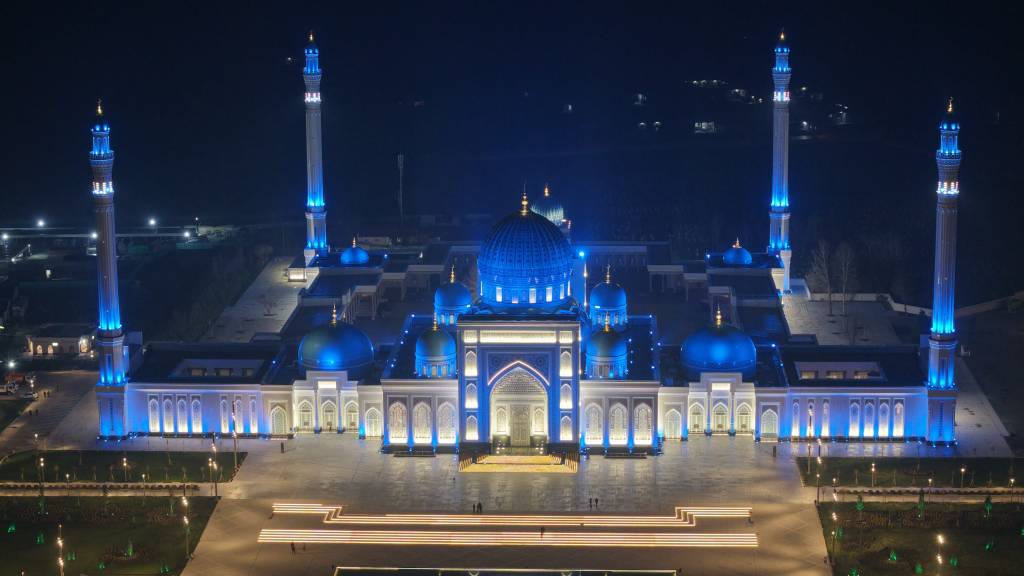
Two days later, on March 19, the newly rebuilt Imam al-Bukhari Memorial Complex opened in Payariq district of Samarkand region.
The significance of the work lies in efforts to transform the sacred site from a stand-alone religious landmark into an integrated tourism ecosystem. The 45-hectare complex includes a mosque that accommodates 10,000 worshippers and a national-style terrace with 154 columns. On an adjacent 15-hectare site, developers have built a tourist center, one four-star hotel, two three-star hotels, 22 family-run guesthouses with a total capacity of 176 guests, and service and transportation infrastructure. According to official data, the complex’s daily visitor capacity has increased from 12,000 to 65,000.
The results were also reflected in visitor numbers: within a month of the complex’s opening, more than 1 million national and international pilgrims visited the Imam al-Bukhari Mausoleum. On the eve of the Ramadan Hayit holiday, more than 60,000 Uzbekistan citizens and international visitors performed the festive prayer at this blessed site.
The economic significance of this figure is equally substantial. One million visits represent more than a simple headcount of visitors to the sacred site. Each visit generates demand for transportation, food services, lodging, tour guide services, retail, handicrafts, souvenirs, and other services. Thus, preserving historical and spiritual heritage and developing a local economic value chain around it are becoming mutually reinforcing processes.
Science, pilgrimage and international dialogue on a single platform
The First International Islamic Civilization Forum, held in Tashkent, Samarkand, and Termez on July 7-11, 2026, under the theme “Islamic Civilization: a path of peace, tolerance and enlightenment”, gave this area an international dimension.
According to the official program, the forum brought together approximately 300 international guests from more than 50 countries, including scholars, religious figures, ministers, representatives of international organizations, museums, and libraries, as well as media.
Importantly, the forum was held not only in Tashkent but also in Samarkand and Termez. This approach allowed the scholarly legacy of great thinkers to be presented in close connection with the historical places where they lived and where their schools of thought took shape. Samarkand hosted sessions devoted to Imam al-Bukhari’s Al-Jami al-Sahih, while Termez hosted sessions focusing on the scholarly legacy of Imam al-Termizi. Participants also visited the sacred sites associated with Hakim al-Termizi and Imam al-Termizi.
Coverage of the forum by international and national media, the dissemination of views expressed by scholars and religious figures, and scholarly presentations expanded opportunities to promote Uzbekistan’s pilgrimage tourism among international audiences not only through advertising but also through scholarly and intellectual content.
“Umrah Plus”: A new model for pilgrimage tourism
One concrete step toward opening new markets for pilgrimage tourism is the “Umrah Plus” program. A Cabinet of Ministers resolution of January 9, 2026, approved a roadmap to increase the number of pilgrimage tourists from Malaysia and Indonesia to 100,000 in 2026-2027. The concept is straightforward: give Muslim tourists traveling to or returning from Umrah the opportunity to also visit sacred sites in Tashkent, Samarkand, and Bukhara.
To support the program, the government has introduced specific incentives: through the end of 2026, tour operators bringing tourists under the program will receive a $100 subsidy per tourist. Another objective is to establish competitively priced air services on the Kuala Lumpur – Samarkand – Jeddah and Kuala Lumpur – Bukhara – Jeddah routes, as well as similar routes via Jakarta, with up to 10 aircraft to be deployed for this purpose.
The program comprehensively addresses pilgrims’ needs. Ablution facilities and prayer rooms will be provided at sites along the routes, at airports and railway stations, and in hotels and food service establishments. Round-the-clock access to mosques and madrasas will also be facilitated. During the off-season – from November 20 to February 20 and in July – voluntary discounts will be offered on admission to cultural heritage sites, accommodations, and food services. In Bukhara and Samarkand regions, guides and interpreters proficient in Malay and Indonesian are being trained, and Malaysia’s SIRIM Academy experience in Muslim-friendly hospitality is also being studied.
Promotion and digitalization are also integral to the program. Campaigns titled “In the Footsteps of Imam al-Bukhari” and “Spend Ramadan in Uzbekistan” have been launched in Malaysia and Indonesia. Plans also call for creating a “Pilgrimage Tourism” module on the unified “National Tourism” platform and integrating it with Traveloka, Agoda, and Booking. The first results are already evident: from January through August 2026, visitors from Malaysia doubled.
From heritage to economic value
“Turning heritage into economic value” does not mean commercializing historical monuments but rather creating a sustainable ecosystem of services around them while carefully preserving the sites.
In this model, a sacred site or museum serves as the starting point of the tourism value chain. The chain then extends to transportation, hotels, restaurants, guides and interpreters, handicrafts, book and souvenir sales, gastronomy, local cultural programs, and other services. As a result, historical heritage is not only preserved but also contributes to employment and higher regional incomes.
The country’s overall tourism indicators also reflect the growing economic scale of this process. According to official data from the Tourism Committee, more than 7.749 million foreign tourists visited Uzbekistan between January and July 2026, up 22.6 percent from the same period in 2025. Tourism services exports reached $3.895 billion during this period, up 56 percent. Notably, export revenues are growing almost twice as fast as tourist arrivals, indicating that the economic return per visit is increasing.
The August results confirmed that this growth momentum was continuing: in the first eight months of the year, 9.1 million foreign tourists visited the country, and tourism services exports reached $4.6 billion, up 53.5 percent from the same period last year. Infrastructure is expanding in response to rising demand: between January and July, 705 new accommodation facilities were commissioned, bringing the total to 7,440 and overall capacity to 202,600.
Another important indicator is that travel, or tourism, accounted for 53.8 percent of the country’s services exports between January and July 2026. These figures demonstrate the importance of developing cultural and pilgrimage heritage sites not only as spiritual assets but also as resources that support tourism services exports, small business development, and regional economies.
More than 8,000 sites – enormous tourism potential
Today, 8,437 tangible cultural heritage sites in Uzbekistan are under state protection. The economic value of this vast resource extends far beyond the traditional tourism centers of Samarkand, Bukhara, and Khiva. In every region, a historic site, sacred place, archaeological monument, craft tradition, or local gastronomic product can form the basis for a new tourism route.
Investment is steadily being directed toward harnessing this potential. In recent years, the state budget has allocated 466.4 billion UZS for restoring cultural heritage sites: work has been completed at 55 sites, and work is ongoing at another 152. Private-sector participation is also growing: 4,187 business entities have been engaged through short-term leases of heritage sites, 27.9 billion UZS have been allocated to the sectoral fund, and in 2025, 152.9 billion UZS in domestic and foreign investment were attracted to 52 sites. The Bibi Khanym ensemble in Samarkand is being conserved in accordance with international standards in cooperation with the Aga Khan Trust for Culture.
In this context, Uzbekistan’s next task is to move from a “one site – one visit” model to a “one region – several days of experiences” model. For example, by complementing a pilgrimage with a visit to a science museum and a manuscript exhibition, offering opportunities to discover local crafts and national cuisine, hosting cultural events, and providing stays in family-run guesthouses, Uzbekistan can extend the time tourists spend in the region and increase their use of local services. This is the most natural way to achieve the goal of raising average spending per tourist to $1,000.
Heritage preservation and digitalization: the principle of sustainability
The rapid growth in tourist flows also requires a new approach to heritage protection. In this regard, a Heritage Impact Assessment system is planned to protect Bukhara, Samarkand, Khiva, Shakhrisabz, and Tashkent’s modernist architecture. Plans also include creating a unified digital cultural heritage platform, developing digital twins of heritage sites, and digitizing all cultural heritage sites by 2030.
A Visitor Management system will be introduced to manage tourism pressure: electronic ticketing will be expanded, tourist flows will be forecast, and, where necessary, visitor limits will be set for individual sites. In addition, the Cultural Heritage Development Strategy for 2027-2035 is expected to be approved soon. A commission under the President is being established to facilitate the return of cultural property to Uzbekistan, and a specialized higher school of restoration is planned to open in Bukhara. All these measures serve a single purpose: tourism may benefit from heritage, but it must never cause harm to it.
Heritage – a memory of the past and a resource for the future
Over 35 years of independent development, one important outcome of the approach to cultural and religious heritage has been the expansion of opportunities not only to preserve historical sites but also to link them to scientific research, international dialogue, and the tourism economy.
The half a million visitors welcomed by the Islamic Civilization Center in a short period, more than one million people who visited the Imam al-Bukhari Complex in a single month, the arrival of scholars and public figures from dozens of countries for the First International Forum on Islamic Civilization, the opening of the Southeast Asian market through the “Umrah Plus” program, and the growing recognition of Uzbekistan’s heritage within UNESCO are interconnected processes.
What unites them is that historical heritage today tells us not only about the past. When carefully preserved, studied through a scholarly lens, and seamlessly integrated with modern tourism services, heritage can serve as a resource for creating new jobs, fostering entrepreneurship, expanding exports, promoting regional development, and strengthening the country’s international cultural standing.
The Tourism Committee will continue to systematically build cooperation in this area with the Cultural Heritage Agency, the Committee on Religious Affairs, regional hokimiyats, entrepreneurs, and international partners. Our goal is clear: the priceless heritage left by our ancestors should contribute to people’s well-being in every region and strengthen Uzbekistan’s standing in the world.
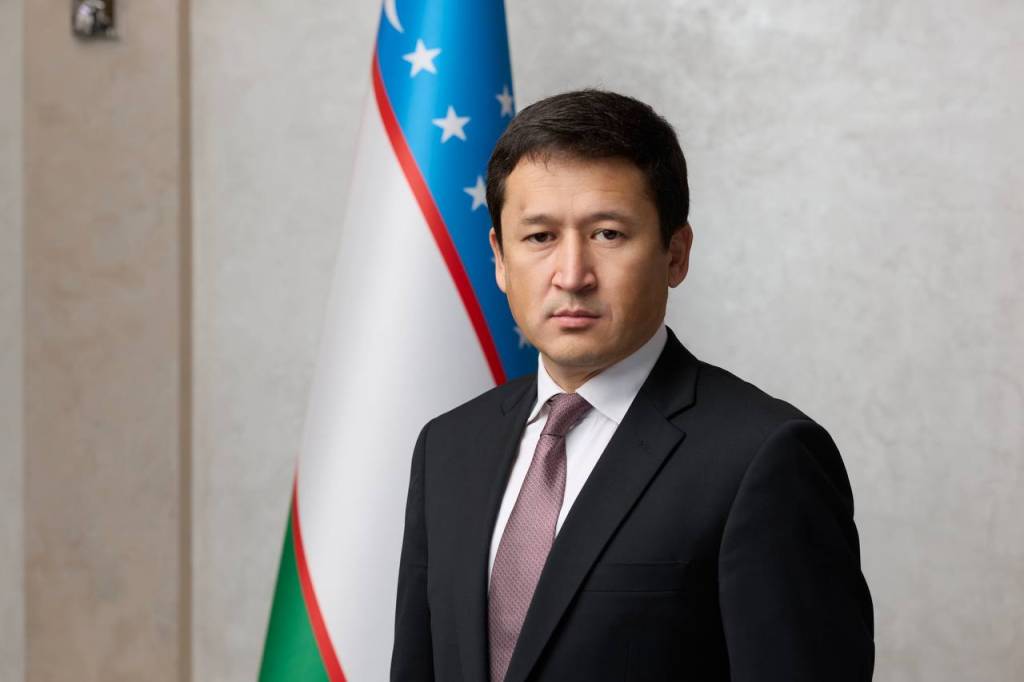
Abdulaziz Akkulov,
Chairman of the Tourism Committee of the Republic of Uzbekistan
UzA