New archaeological sites and Stone Age petroglyphs discovered
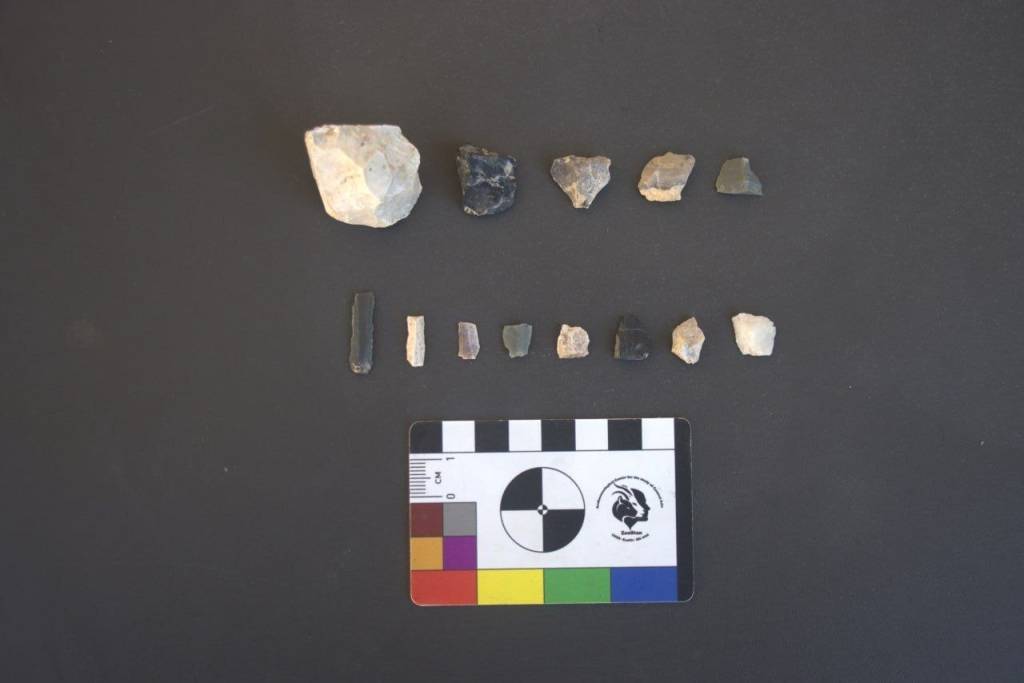
In September, specialists from the Cultural Heritage Agency and the Samarkand Institute of Archaeology conducted archaeological fieldwork in Zaamin and Sharaf Rashidov districts of Jizzakh region.
During the research, new Stone Age archaeological sites were discovered in Zaamin district.
According to preliminary findings, a Paleolithic site was identified in the eastern part of Achchi village, and a Neolithic site was discovered in Peshagor village. In addition, locations with archaeological finds dating to the Neolithic period were identified in the western part of Achchi village and in Arja village.
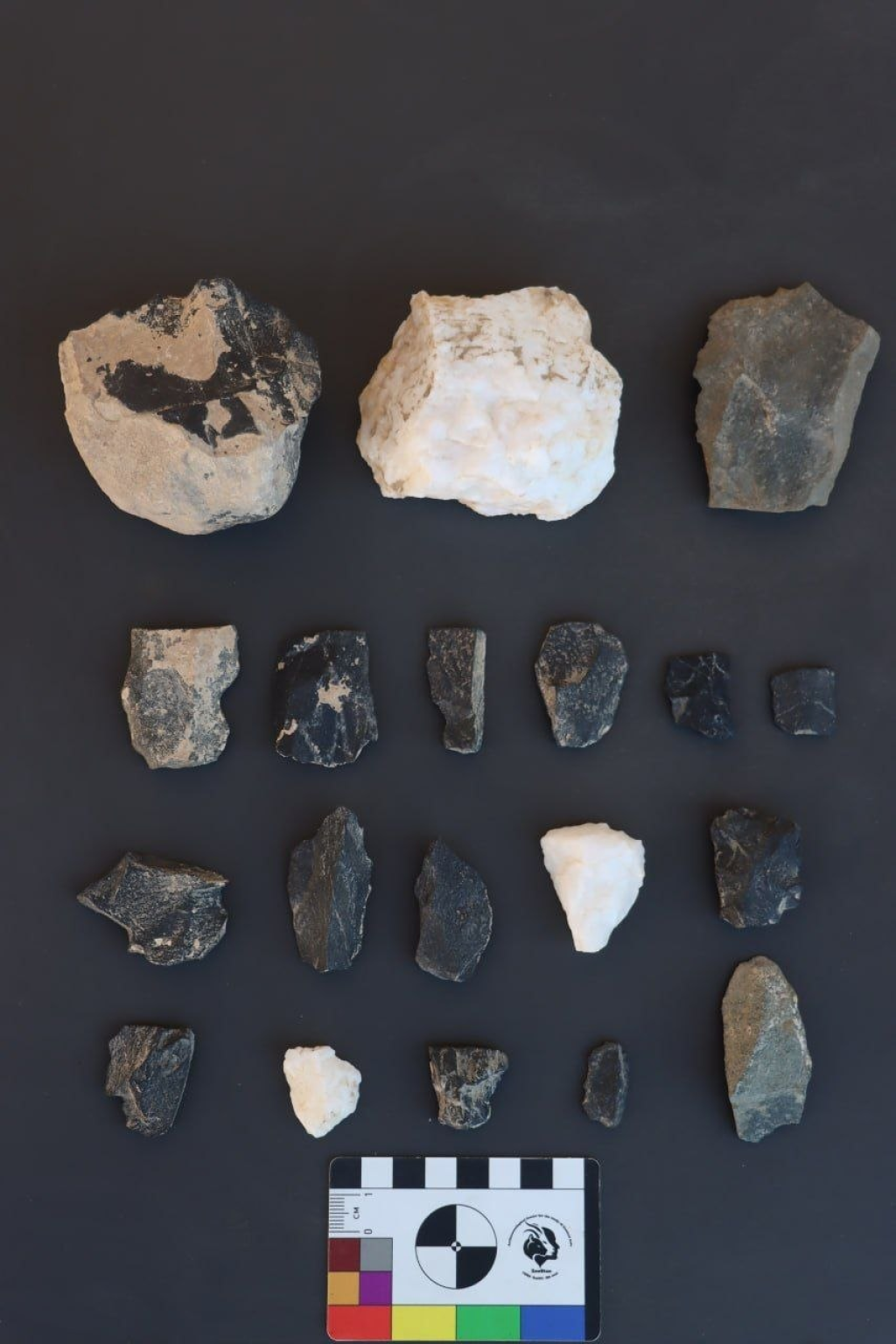
These discoveries indicate the long-term presence of ancient communities in the Zaamin oasis and in parts of the Turkestan Range. They provide valuable scientific material for studying the distribution of Stone Age communities, their habitats, and their economic activities.
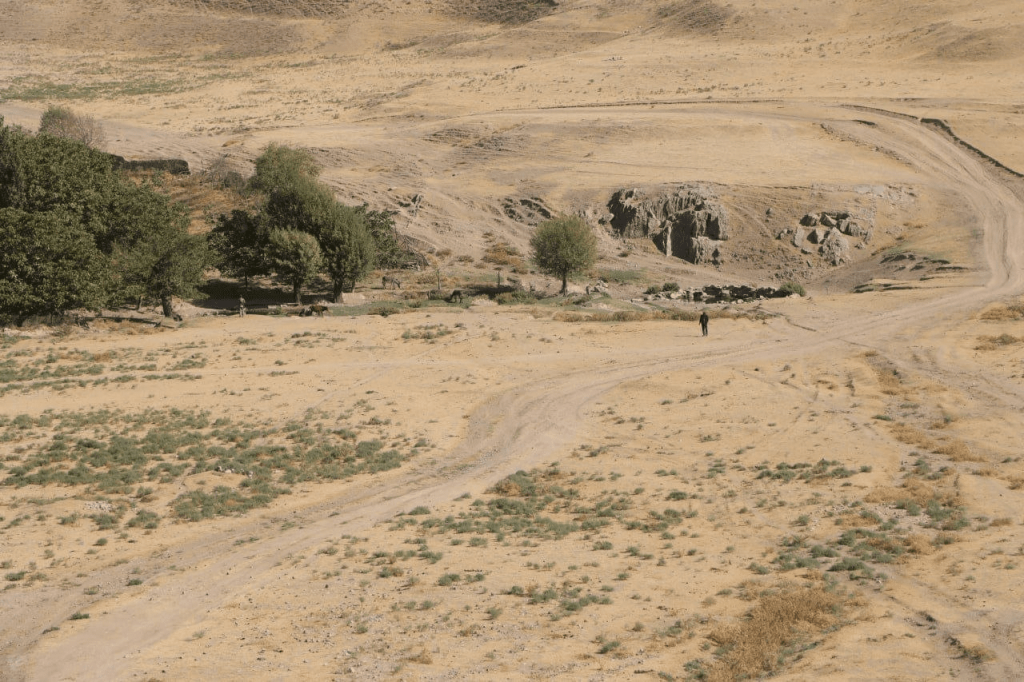
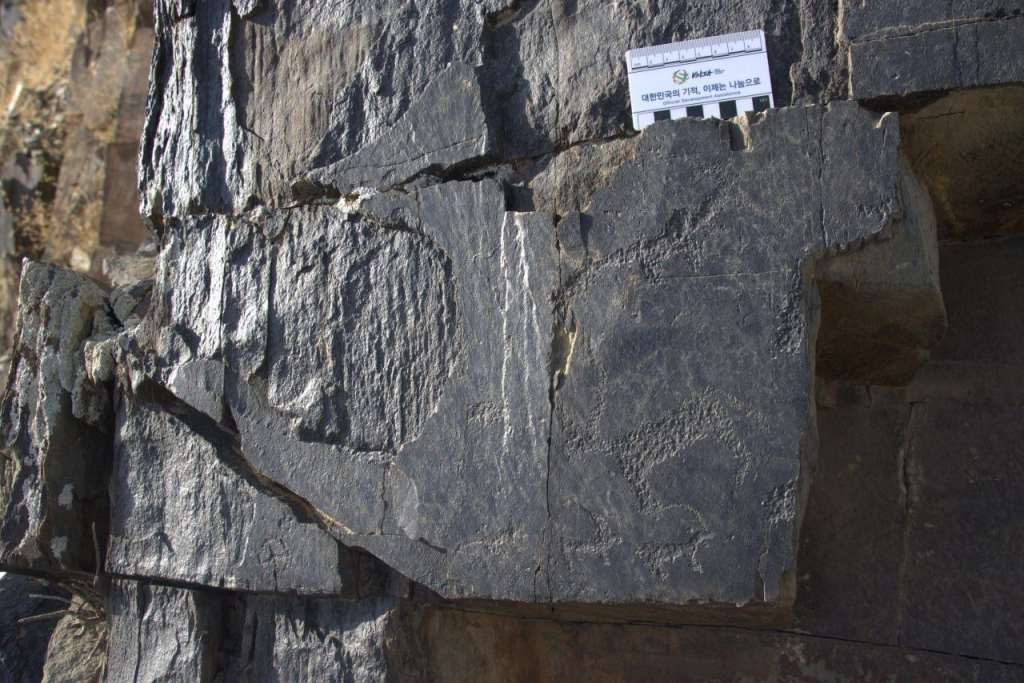
During fieldwork on the left bank of the Ravotsoy, near the village of Ravot in Sharaf Rashidov district, rock carvings were discovered. Researchers recorded about 30 petroglyphs on seven slate surfaces, depicting a hunter, a mountain goat, cattle, a dog, a solar symbol, and a hunter drawing a bow. Preliminary findings indicate that the petroglyphs date from the Bronze Age to the early Middle Ages.
The newly identified archaeological sites and petroglyphs are of significant scientific value for studying the ancient history of the Jizzakh oasis and the Turkestan Range.
Plans are underway for further extensive archaeological research, including dating the finds and documenting them for scientific study.
Khamroz Bayonov, UzA