Measures to implement agreements with Oman, Jordan and Türkiye reviewed
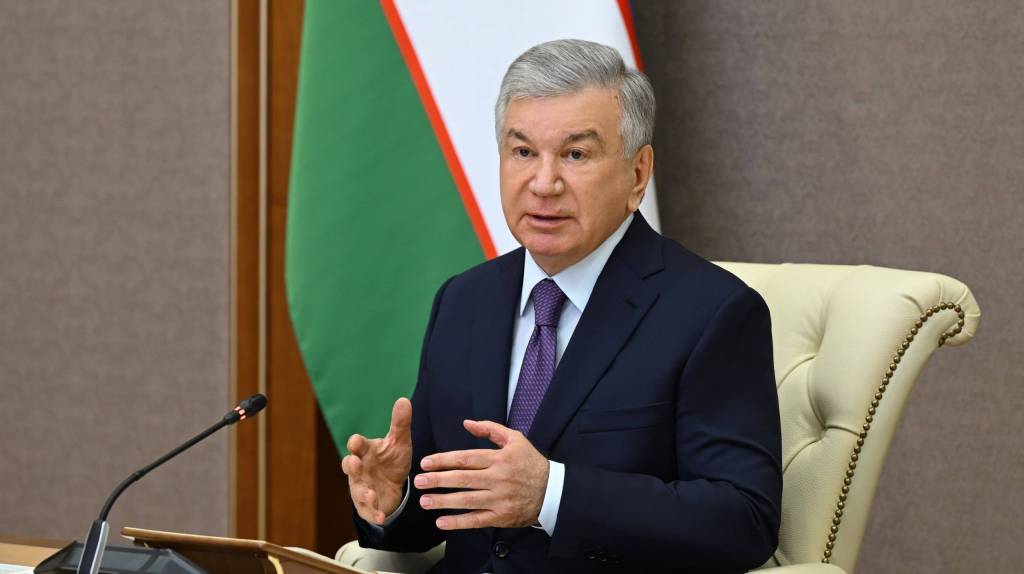
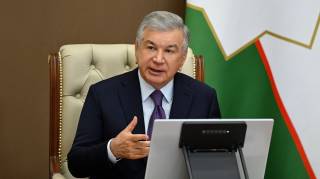
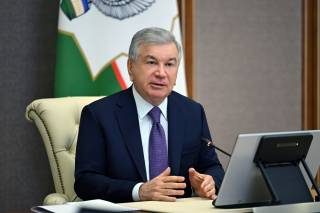
President Shavkat Mirziyoyev chaired a meeting to discuss the implementation of agreements reached during foreign visits, as well as preparations for major international events to be held in Uzbekistan in 2027.
The state visits to the Sultanate of Oman on November 16-17 and the Hashemite Kingdom of Jordan on November 23-24 marked a new stage in Uzbekistan’s relations with these countries. The high-level talks resulted in the signing of strategic partnership agreements and the establishment of a broad agenda for long-term practical cooperation.
During the state visit to Oman, more than 30 bilateral documents were signed, and a portfolio of joint projects worth $5 billion was formed. A target was set to increase bilateral trade to $1 billion.
Promising areas of cooperation were identified in energy, electrical engineering, the chemical and mining industries, urban development, agriculture, finance and digital technologies.
During the state visit to Jordan, 19 bilateral documents were adopted and signed. Among the most significant was the Preferential Trade Agreement, whose implementation is expected to help increase bilateral trade to $500 million.
Joint projects are planned to establish textile manufacturing facilities, develop critical mineral resources, localize pharmaceutical production, manufacture mineral fertilizers and establish agro-industrial clusters.
Progress in implementing agreements with Türkiye was also reviewed in detail.
Following the official visit of the President of Uzbekistan to Ankara in January this year and the fourth meeting of the High-Level Strategic Cooperation Council, priorities were identified for strengthening the comprehensive strategic partnership. Targets were set to increase bilateral trade to $5 billion, expand industrial cooperation and strengthen interregional ties.
An important step toward implementing these agreements was the establishment of the Uzbekistan – Türkiye High-Level Business Support Council following talks between the leaders of the two countries in Ankara in October this year.
At the inaugural meeting of the council, held in Tashkent on November 19 with representatives of more than 150 Turkish companies in attendance, investment and trade agreements worth $11.2 billion were reached.
Further opportunities to expand cooperation exist in poultry farming, horticulture, healthcare, pharmaceuticals, urban development, geology and tourism.
The meeting identified priority tasks to ensure the implementation of the signed documents, expedite the development of investment projects, identify funding sources and establish the necessary infrastructure.
Emphasis was placed on the need to develop comprehensive roadmaps for each country, outlining specific measures, implementation deadlines and the parties responsible for their execution.
The importance of implementing agreements in tourism, education, science and culture, as well as expanding direct air links and interregional cooperation, was also highlighted.
The heads of ministries, industries and regions were instructed to maintain regular engagement with foreign partners, provide ongoing support for joint projects and promptly address any issues that arise.
The progress in implementing agreements reached during other foreign visits and high-level talks held since the beginning of the year was also reviewed at the meeting.
Preparations for major international events scheduled for 2027 were also discussed. Particular attention was paid to shaping their substantive agendas and developing initiatives and proposals aimed at strengthening multilateral cooperation.
The relevant agencies were instructed to coordinate all aspects of substantive and organizational preparations, hold necessary consultations with foreign partners, and ensure the upcoming events are conducted to a high standard.
The meeting also addressed priority tasks for further developing the electrical engineering industry.
By 2030, the sector aims to increase production to 130 trillion UZS and exports to $5 billion, and to build a portfolio of investment projects worth more than $11 billion. A total of 164 projects across six promising areas are scheduled for implementation in 2027-2029.
Particular attention was paid to the widespread adoption of modern technologies, expanding the processing of domestic raw materials into higher-value products, increasing local content, strengthening the position of domestic manufacturers in global supply chains and promoting national brands in international markets.
Training highly qualified specialists, including through the “One Thousand Design Engineers” program, will be an important part of the industry’s further development.
UzA