Institutional models for organizing the national education process under discussion
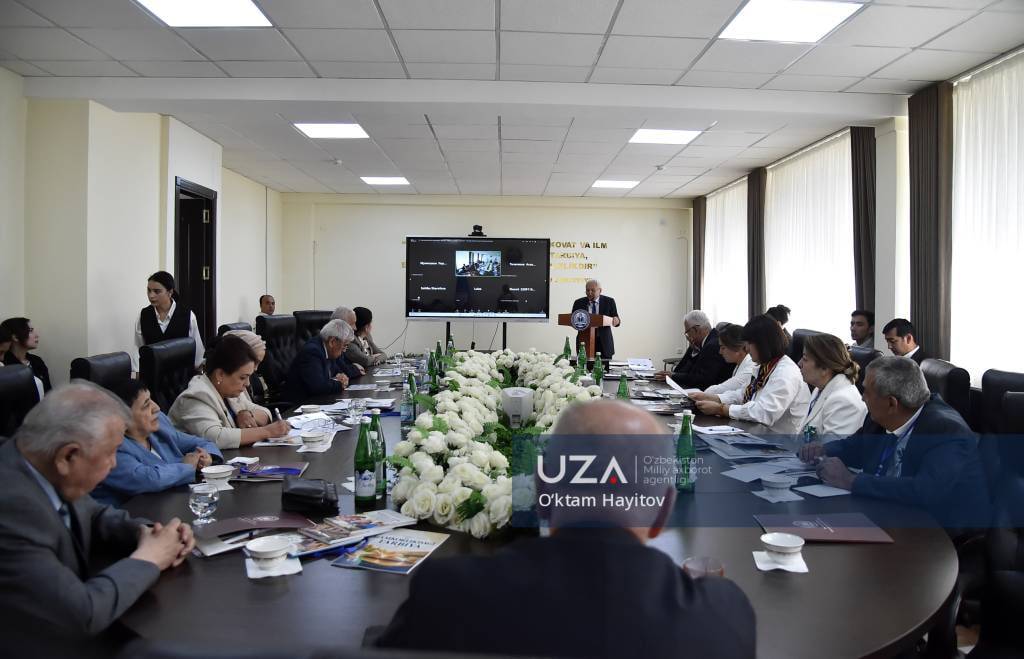
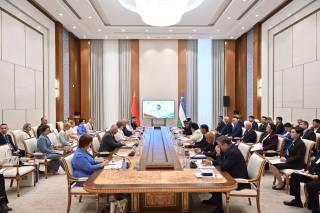
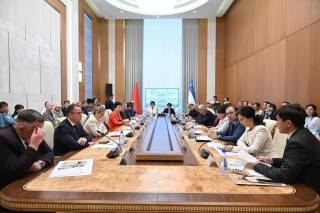
The Republican scientific-practical conference on “Institutional models and management mechanisms for organizing the national education process” took place at the National Institute of Pedagogy of Education named after Kari Niyazi.
More than 100 scientists, researchers, and educators attended the event.
Participants discussed models of national upbringing that foster respect for national and universal human values among youth. Special emphasis was placed on organizing the educational process and interaction between educational institutions, families, mahallas, and state and non-state structures.
A mixed model combining public administration, the social and educational potential of the mahalla, and the capabilities of civil society institutions was considered a promising model for national education in Uzbekistan.
Proposals were put forward to improve the organizational and legal, financial and economic, pedagogical and methodological mechanisms, as well as the mechanisms for social partnership, monitoring, and evaluation within the management system of the national education process.
The conference explored how national education systems are organized and how the educational process works in Japan, South Korea, Germany, and Finland.
The criteria for evaluating the effectiveness of national education were considered. It is proposed to assess youth attitudes toward national values, the level of knowledge of history and traditions, social activity, and the interaction among families, educational institutions, and mahallas.
Following the event, the need to improve the national education process and to develop scientific and practical recommendations for the effective use of digital technologies for educational purposes was emphasized.
Khamroz Bayonov, photo by Uktam Khayitov, UzA