Developing women’s leadership skills
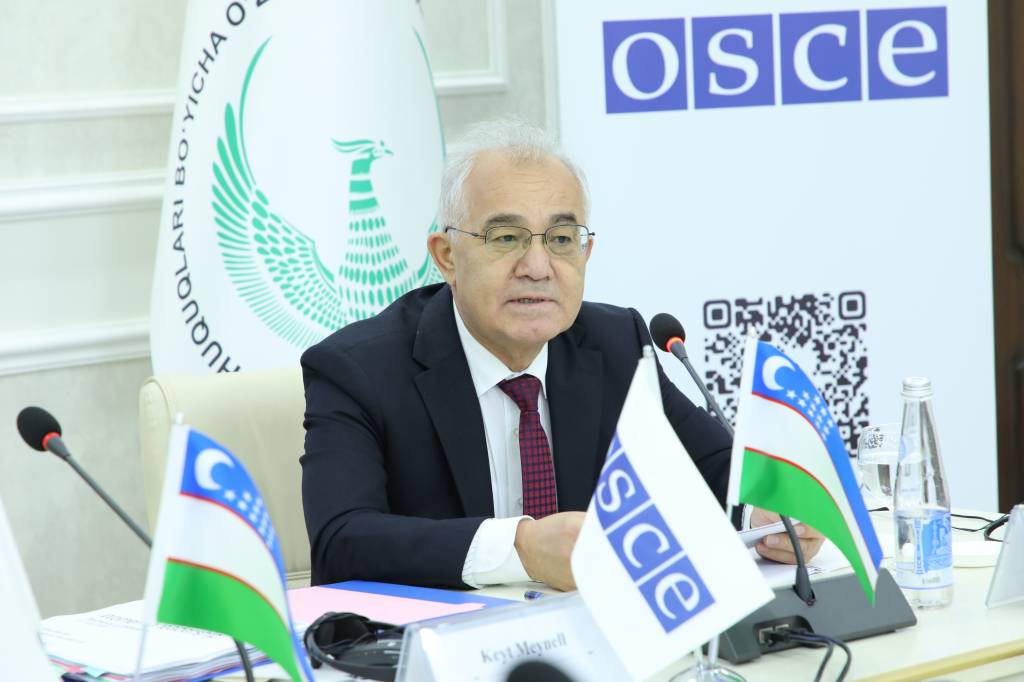
The National Center of the Republic of Uzbekistan for Human Rights, jointly with the OSCE Project Co-ordinator in Uzbekistan, the Committee on Family and Women of the Republic of Uzbekistan and the Law Enforcement Academy of the Republic of Uzbekistan, launched a two-day training on developing women’s leadership skills.
The event is aimed at strengthening the role of women in the country’s social and political life, expanding their participation in decision-making processes, and enhancing the professional and managerial competencies of women working in state bodies, the law enforcement and judicial systems.
The training is organized as part of the consistent implementation of Uzbekistan’s state policy on ensuring gender equality and the empowerment of women, as well as the fulfillment of the country’s international human rights obligations, including the provisions of the Convention on the Elimination of All Forms of Discrimination against Women (CEDAW), the UN Sustainable Development Goals and the Strategy for Achieving Gender Equality until 2030.
Welcoming remarks were delivered to the participants by Akmal Saidov, Director of the National Human Rights Centre of the Republic of Uzbekistan, Dilnoza Muratova, Deputy Director of the National Human Rights Centre of the Republic of Uzbekistan, Ambassador Antti Karttunen, OSCE Project Co-ordinator in Uzbekistan, Svetlana Artikova, Deputy Prosecutor General of the Republic of Uzbekistan, and Yevgeniy Kolenko, First Deputy Head of the Law Enforcement Academy.
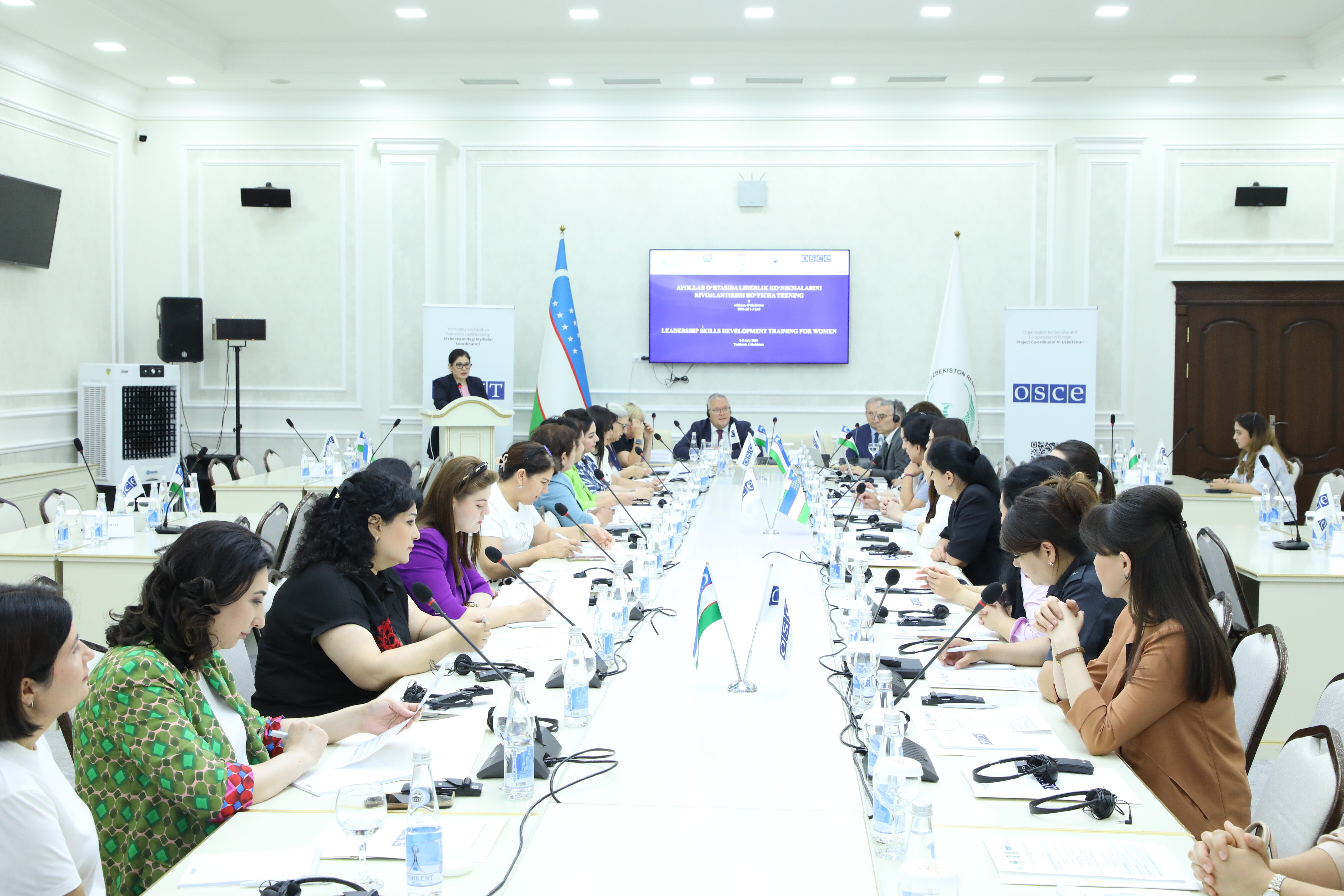
In their remarks, they emphasized that strengthening women’s leadership potential is an important condition for building an inclusive and effective system of public administration, ensuring the equal participation of women and men in public life, and advancing the principles of equality and non-discrimination.
The training is delivered by international experts with many years of experience in law enforcement and in promoting gender equality. Among them are Kate Meynell, a senior United Kingdom police officer with more than thirty years of service, former Chief Constable and national coordinator for homicide investigations, and Montserrat Pina, Superintendent of the Barcelona Police, head of the gender equality portfolio and long-serving President of the European Network of Policewomen.
The first day’s program was devoted to developing key leadership competencies, building effective communication skills, and strengthening confidence in professional activities. The participants discussed modern approaches to leadership, the role of women in decision-making, and the challenges and opportunities that arise along the path of professional growth.

Particular attention was paid to identifying individual leadership potential, developing strategic thinking skills, effective teamwork, and building constructive dialogue in the professional environment. The practical sessions included interactive exercises, group discussions and exchanges of experience aimed at improving managerial and communication skills.
The concluding session of the first day was devoted to developing professional networks and strengthening mechanisms of mutual support. The participants shared their experiences, discussed successful practices for advancing women into leadership positions, and identified areas for further cooperation.
The training will continue on July 3. The second day will address issues of strategic leadership, change management, and decision-making in complex situations, as well as practical mechanisms to promote gender equality and expand women’s participation in leadership processes.
N.Usmanova, UzA