Central Asian foreign ministers call for strengthening global nuclear security
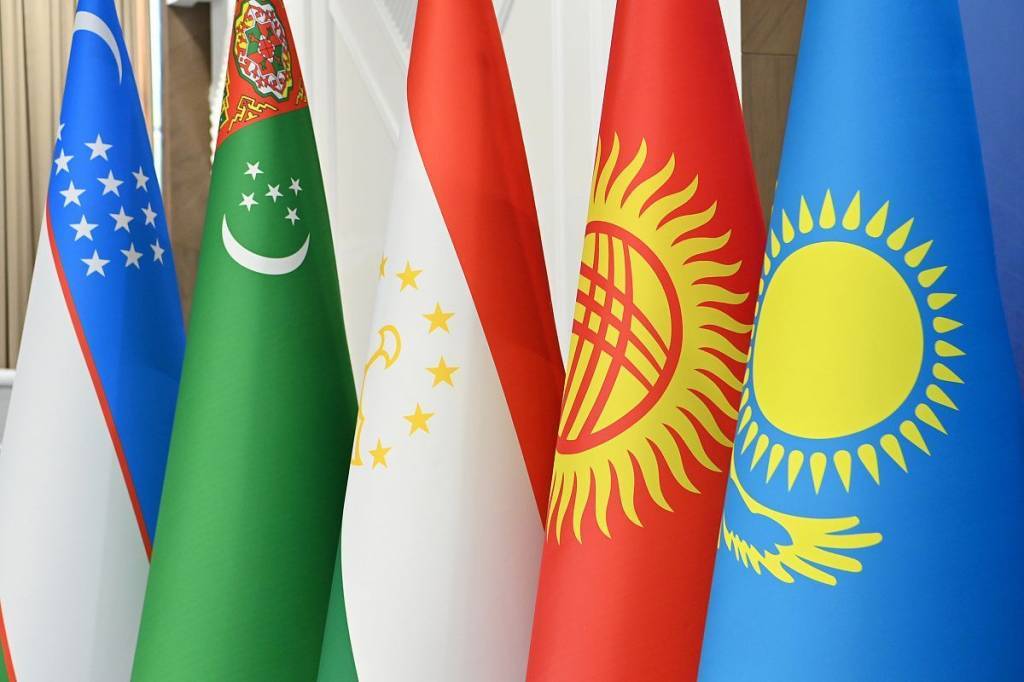
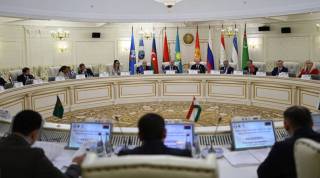
The ministers of foreign affairs of Kazakhstan, Kyrgyzstan, Tajikistan, Turkmenistan, and Uzbekistan adopted a joint statement marking the 20th anniversary of the signing of the Treaty on a Nuclear-Weapon-Free Zone in Central Asia. The statement was published on the website of the Ministry of Foreign Affairs of Kazakhstan.
The parties signed the treaty in Semipalatinsk on September 8, 2006. The foreign ministers reaffirmed their commitment to its objectives and highlighted its role in strengthening regional security, advancing nuclear disarmament, and fostering cooperation in the peaceful use of nuclear energy.
The statement notes that the region remains the first and only nuclear-weapon-free zone located entirely in the Northern Hemisphere and directly bordering two nuclear-weapon states.
The foreign ministers expressed concern over the lack of substantial progress in this field, the cessation of key arms control agreements, and the continued modernization of nuclear arsenals. They called for the urgent development of new, verifiable arms control mechanisms to prevent a nuclear arms race.
The statement also gives particular attention to the Treaty on the Non-Proliferation of Nuclear Weapons (NPT). The ministers expressed regret over the lack of substantive outcomes from the Eleventh Review Conference of the States Parties to the NPT and called for continued negotiations on non-proliferation and the peaceful use of nuclear energy.
The Central Asian countries also called for the Comprehensive Nuclear-Test-Ban Treaty to enter into force as soon as possible. September 24, 2026, will mark 30 years since the Treaty was opened for signature.
The foreign ministers supported Kyrgyzstan’s initiative to observe the International Day for Disarmament and Non-Proliferation Awareness annually on March 5. They emphasized the importance of involving the youth in discussions on disarmament and international security. They also welcomed the signing in 2014 of the Protocol on Negative Security Assurances to the Treaty on the Central Asian Nuclear-Weapon-Free Zone and its ratification by four nuclear-weapon states, while expressing hope that the United States would complete the ratification process as soon as possible.
In conclusion, the statement underscored the importance of strengthening regional security as a key factor for sustainable development and stability in Central Asia and reaffirmed the countries’ intention to continue to cooperate closely in addressing common challenges and threats.
Aziza Alimova, UzA