Akramjon Nematov: Trust between societies begins with a deep understanding of and respect for each other’s cultural codes
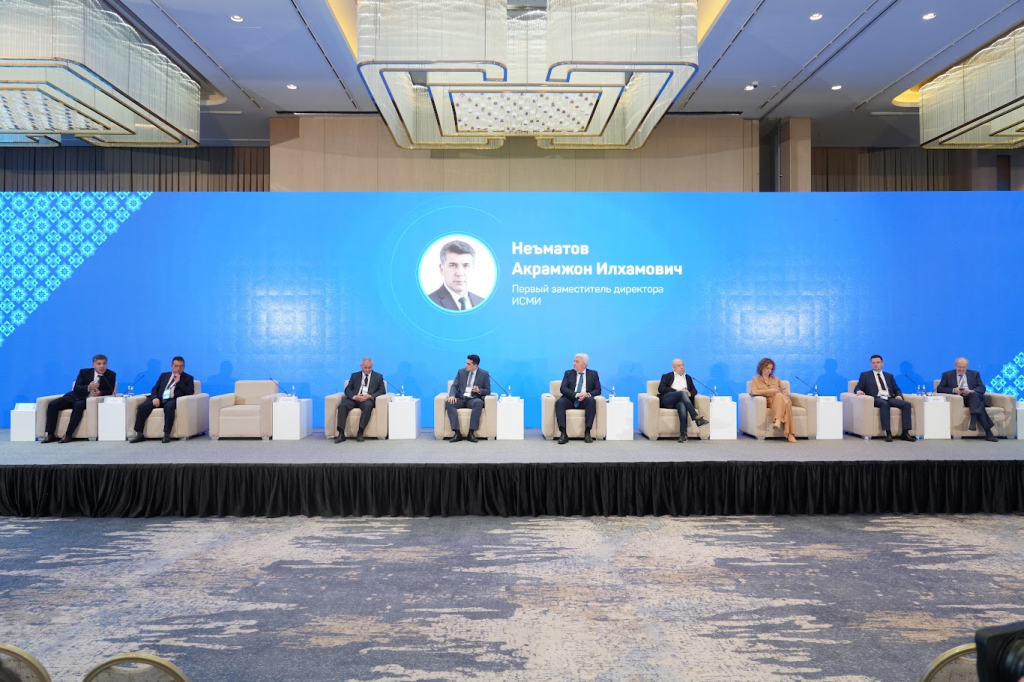
Tashkent hosted the Uzbekistan – Russia Media Forum, bringing together prominent media representatives, heads of media organizations, figures from culture, theatre and cinema, museum professionals, representatives of the creative industries, and experts from both countries.
The forum’s agenda was broad and practical. Discussions focused on the changing media landscape, the development of digital platforms, new technologies, cultural and people-to-people cooperation, joint content production, and the role of the media and cultural institutions in strengthening relations between Uzbekistan and Russia.
Akramjon Nematov, First Deputy Director of the Institute for Strategic and Regional Studies under the President of the Republic of Uzbekistan, moderated the session entitled “National Cultural Codes in the Media: Combining Traditional Values with a Forward-Looking Perspective”. He noted that the comprehensive strategic partnership and alliance between the two countries had reached a stage that required both expanded practical cooperation and stronger foundations of trust and mutual understanding between their societies.
According to Mr. Nematov, such trust depends on a deep understanding of, and above all respect for, each other’s national cultural codes.
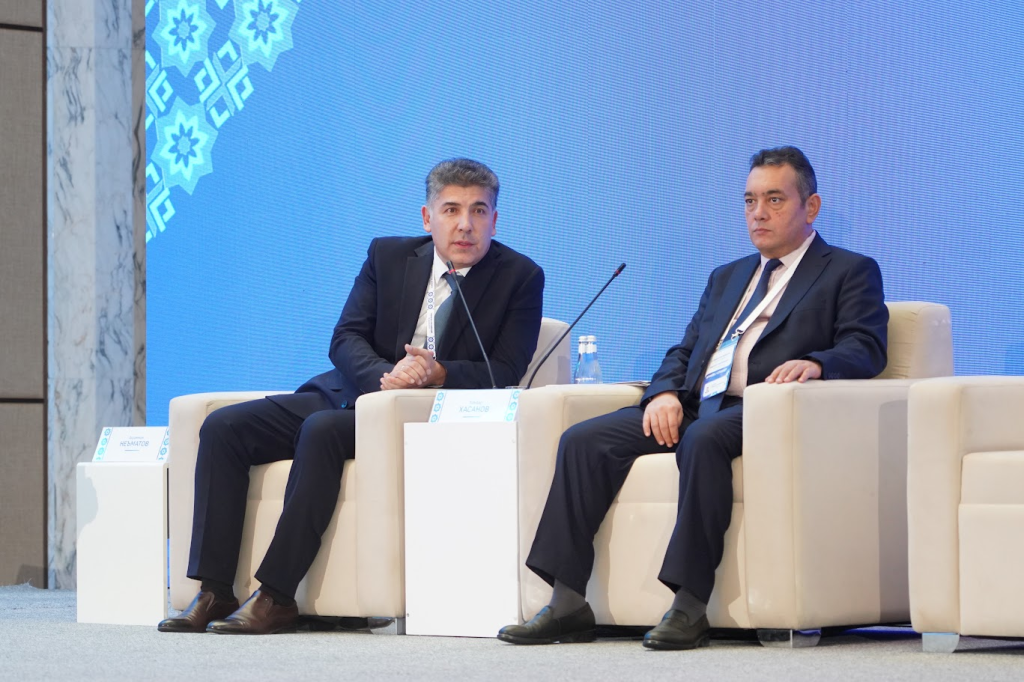
He emphasized that a cultural code is not a static collection of traditions and symbols. It evolves alongside society and takes on new meanings, while retaining a core set of values that shapes a people’s sense of identity, ways of thinking and outlook on the world. This encompasses historical memory, language, ways of life, and attitudes towards family, older generations, work, knowledge, human dignity, mutual assistance and good neighborliness.
He noted that the cultural codes of Uzbekistan and Russia are not identical, yet share many fundamental values. This provides a solid foundation for pragmatic and substantive dialogue, aimed at understanding and respecting each other’s distinct national identities rather than seeking uniformity.
In Mr. Nematov’s view, particular importance should be attached to preserving and promoting traditional values that sustain social stability, strengthen ties between generations and provide the spiritual bonds that hold society together.
“The more deeply our societies understand each other’s cultural codes, the stronger our mutual trust and the more resilient the relations between our countries”, he said.
UzA