Uzbekistan – Russia media cooperation: new projects, shared goals and reliable information
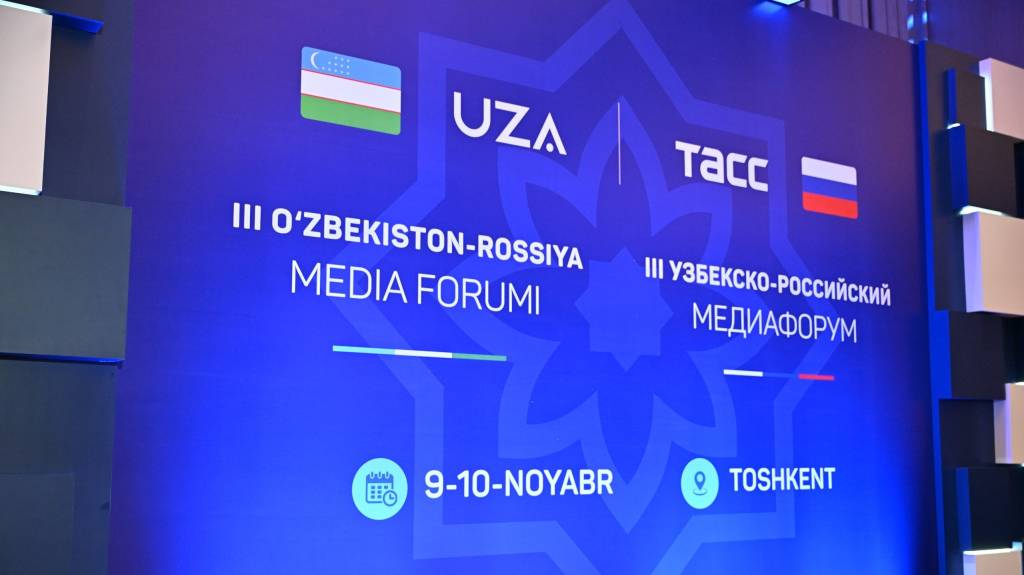
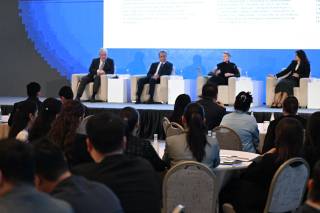
The Third Uzbekistan – Russia Media Forum continues in Tashkent.
Addressing the forum, Sherzod Asadov, Head of the Communications Department of the Presidential Administration of the Republic of Uzbekistan, spoke about reforms in the country’s media sector, information security and prospects for bilateral cooperation.
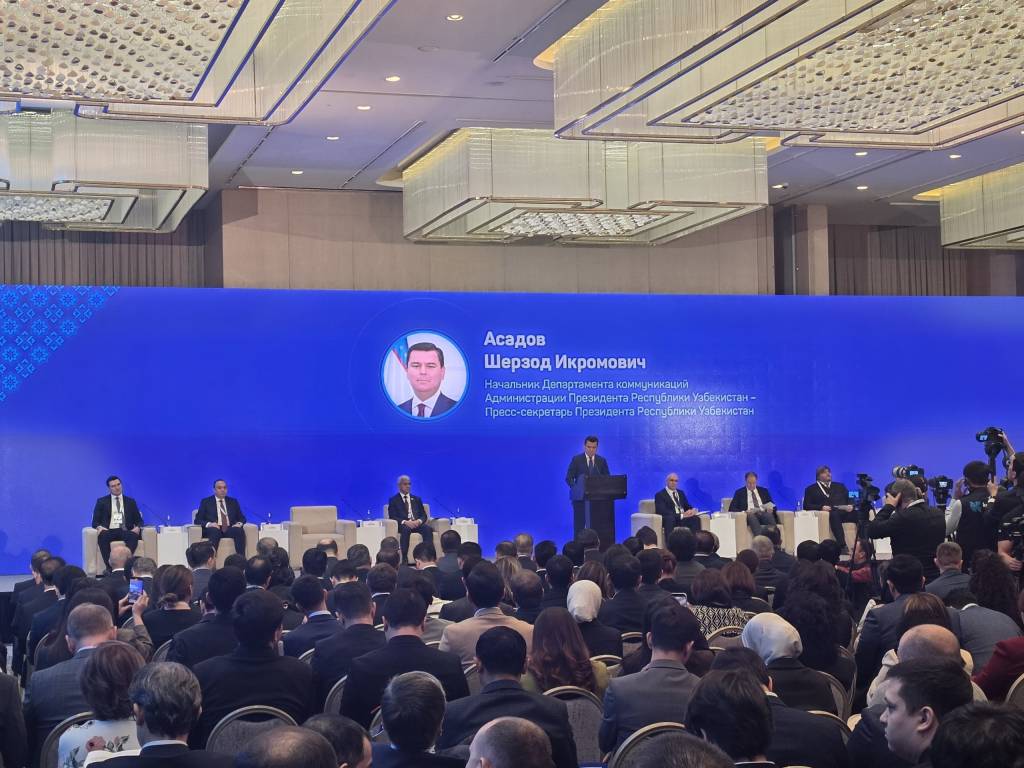
He emphasized that information has become an important factor in the country’s development.
“Information shapes a country’s image, determines the level of trust between our peoples and influences the global agenda”, Mr. Asadov said. “Uzbekistan pursues its information policy based on precisely these principles. The changes taking place in our country’s media sector today demonstrate how consistently this process is moving forward”.
As noted during the forum, Uzbekistan has improved the legal framework governing its media sector and strengthened mechanisms for supporting the industry in recent years. As a result, the non-governmental sector is playing an increasingly important role. Today, privately owned outlets account for 67 percent of the country’s media organizations, whose total number has reached 3,000.
Sherzod Asadov also highlighted changes in the digital landscape, noting that internet access has reached 94 percent. This has created extensive opportunities for the development of citizen journalism and the blogosphere.
Mr. Asadov also emphasized that, as a result of efforts to promote a reading culture, 15,000 book titles have been published this year, with a total print run exceeding 60 million copies.
Another important priority for the media sector is ensuring the reliability of information.
“Media organizations bear a great responsibility for the reliability of the information they disseminate”, Mr. Asadov said. “Disinformation or information attacks must not lead to misunderstandings or divisions between our peoples. On the contrary, professional media communities should strengthen an atmosphere of mutual trust, respect and good-neighborly relations”.
In this context, four priority areas of media cooperation between Uzbekistan and Russia were identified: exchanging professional experience and training personnel, joint efforts to combat disinformation, developing partnerships in artificial intelligence and digital technologies, and strengthening direct ties between journalists and bloggers.
In particular, proposals were made to organize regular internships for journalists from both countries, establish joint journalism schools and develop educational platforms. The importance of establishing common fact-checking standards and ensuring the rapid exchange of information in combating disinformation was also emphasized.
“We need to pool our countries’ resources and expertise and develop common approaches to verifying information”, Mr. Asadov noted.
Emphasizing that the future of the media is closely linked to artificial intelligence, digital platforms and big data, the speaker called for joint technological development initiatives in these areas.
In his view, the effectiveness of all agreements depends primarily on direct contacts between people. It is therefore important to organize regular meetings between editorial teams, journalists and bloggers from both countries, turning dialogue into practical cooperation.
Thus, the Third Uzbekistan – Russia Media Forum serves not only as a platform for exchanging experience but also as an important venue for identifying new joint initiatives. The proposals put forward at the conference aim to expand substantive cooperation between media organizations in the two countries, strengthen an information environment based on reliable reporting and foster friendly ties between the two peoples.
Musulmon Ziyo, UzA