Uzbekistan launches practical stage of introducing futures trading
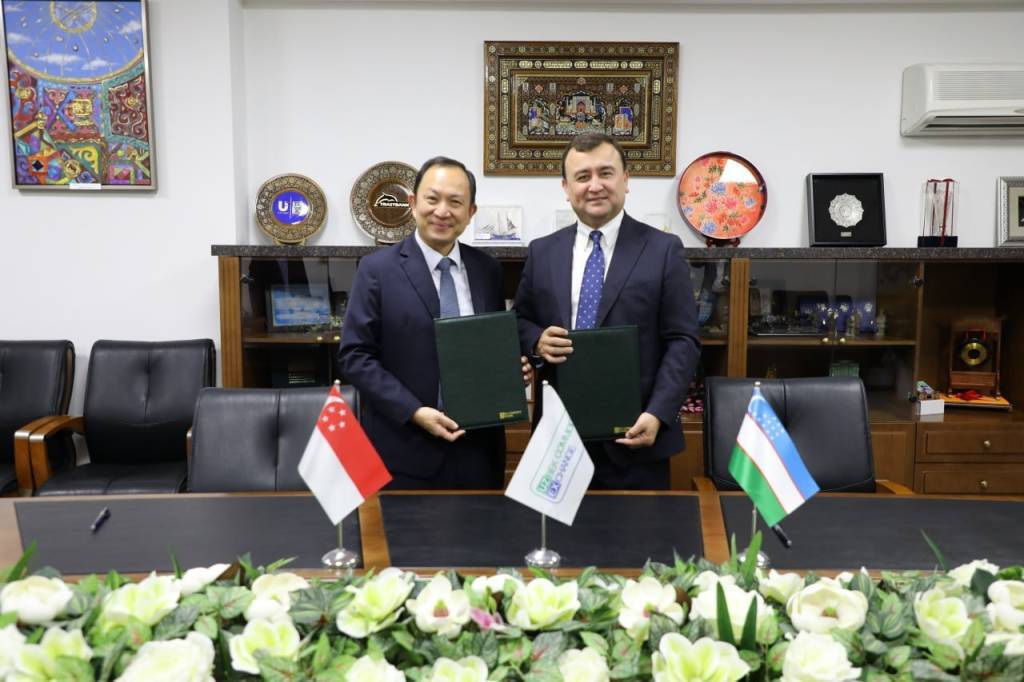
A Memorandum of Cooperation to develop futures trading, introduce modern commodity derivative instruments, and integrate the country’s exchange infrastructure into global commodity markets was signed between JSC Uzbek Republican Commodity Exchange and the Singaporean company Phillip Capital.
Hikmatullo Tillaboyev, head of the company’s information service, said the following:
“This document marks another important stage in the country’s reforms to establish a modern futures market. The initiative opens the way for integrating the national economy into the global derivatives market, elevating the exchange system to a new level, and putting international experience into practice.
It is noteworthy that efforts to introduce futures trading in the country are entering the practical phase. To this end, the UZEX Global joint venture has been established to organize a market for commodity futures and other derivative instruments. This structure will serve as the key institutional platform for the national derivatives market, ensuring the organization of futures trading, the launch of clearing processes, and the introduction of risk management mechanisms.
Another important aspect of the cooperation is Singapore’s advanced expertise in implementing the project. Singapore is considered one of the world’s leading financial and trading centers. Its derivatives market infrastructure, clearing systems, risk management practices, and mechanisms for organizing exchange operations are recognized as among the most effective internationally.
Phillip Capital has extensive international experience and actively participates in the work of leading global exchanges and derivatives markets. The company’s expertise and modern technological solutions are expected to contribute to the development of a transparent and competitive futures market in Uzbekistan that meets international standards.
The project’s implementation will create new opportunities for local producers, exporters, importers, and investors. In particular, they will receive tools to hedge price risks, mitigate the impact of sharp market fluctuations, and use modern financial instruments effectively. This will contribute to greater stability and efficiency in the real sector of the economy, strengthen investment attractiveness, and improve market mechanisms in the country”.
Nasiba Ziyodullayeva, UzA