The President tours the historical and cultural center of Turkestan
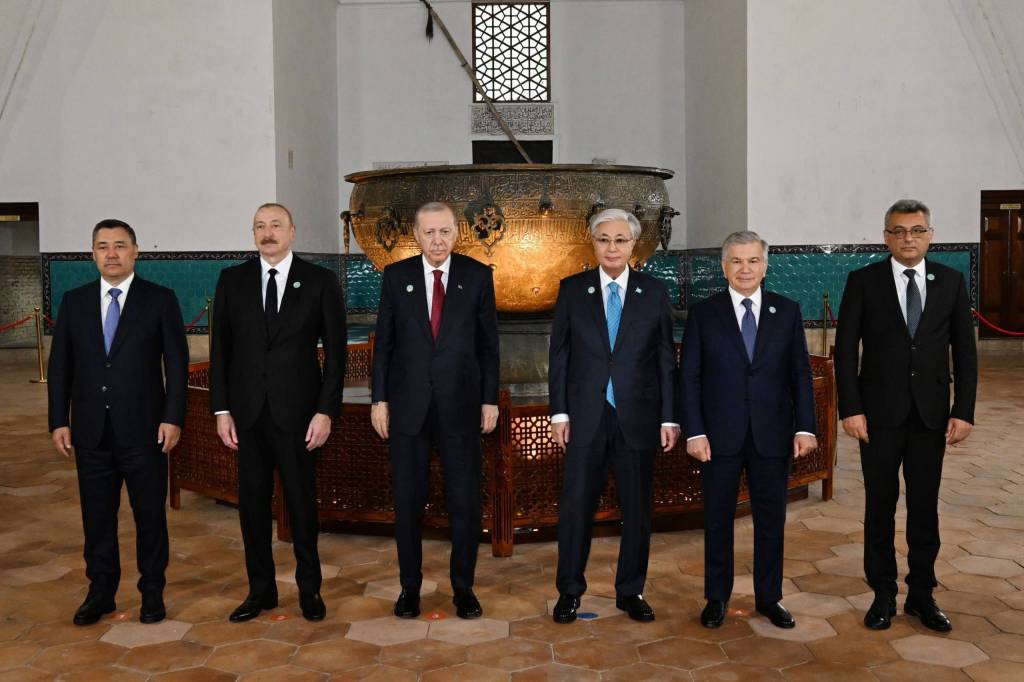
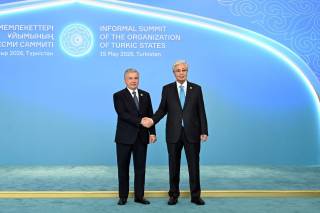
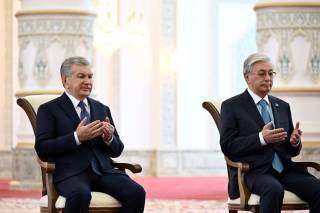
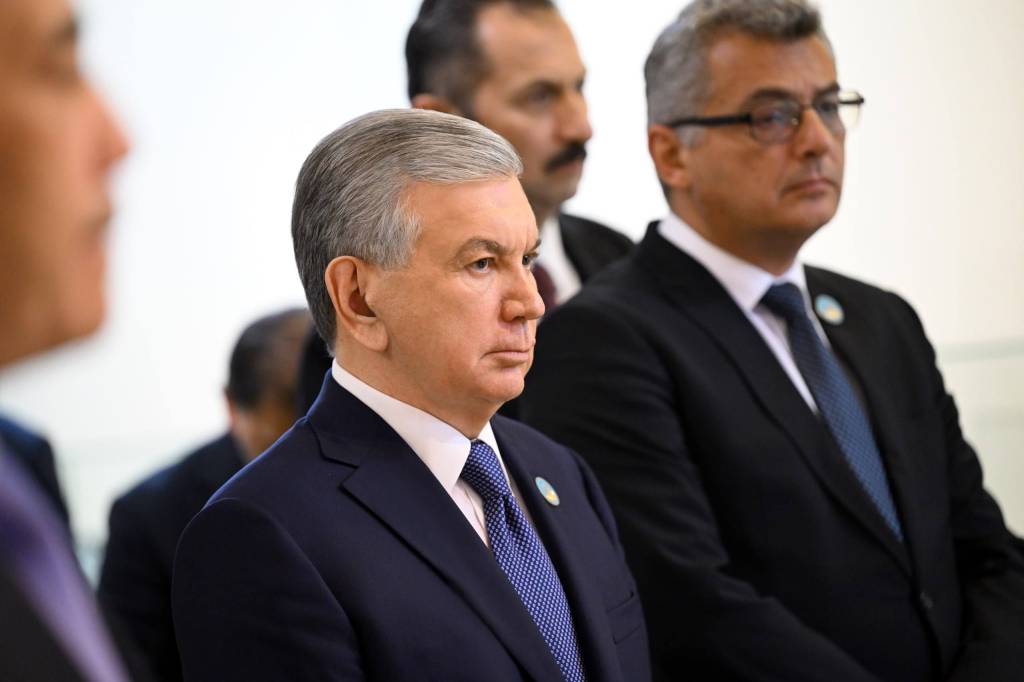
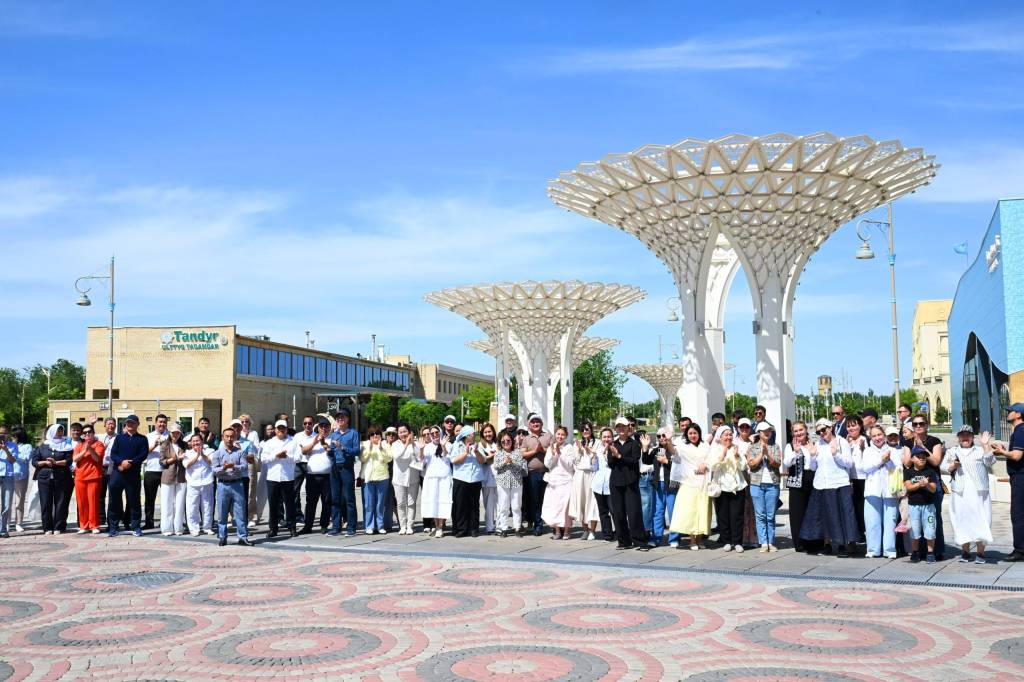
The President of the Republic of Uzbekistan Shavkat Mirziyoyev, together with the heads of delegations of the member states of the Organization of Turkic States, visited the historical and cultural center of Turkestan.
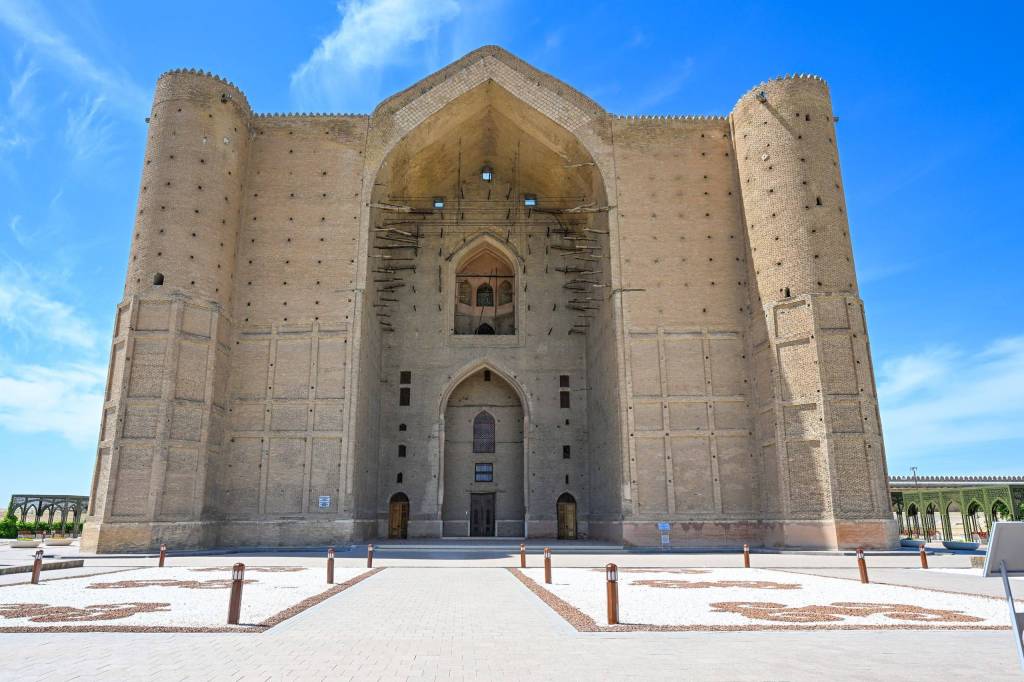
The distinguished guests toured the Mausoleum of Khoja Ahmed Yasawi, one of the greatest monuments of Islamic architecture in Central Asia and the primary spiritual symbol of Kazakhstan.
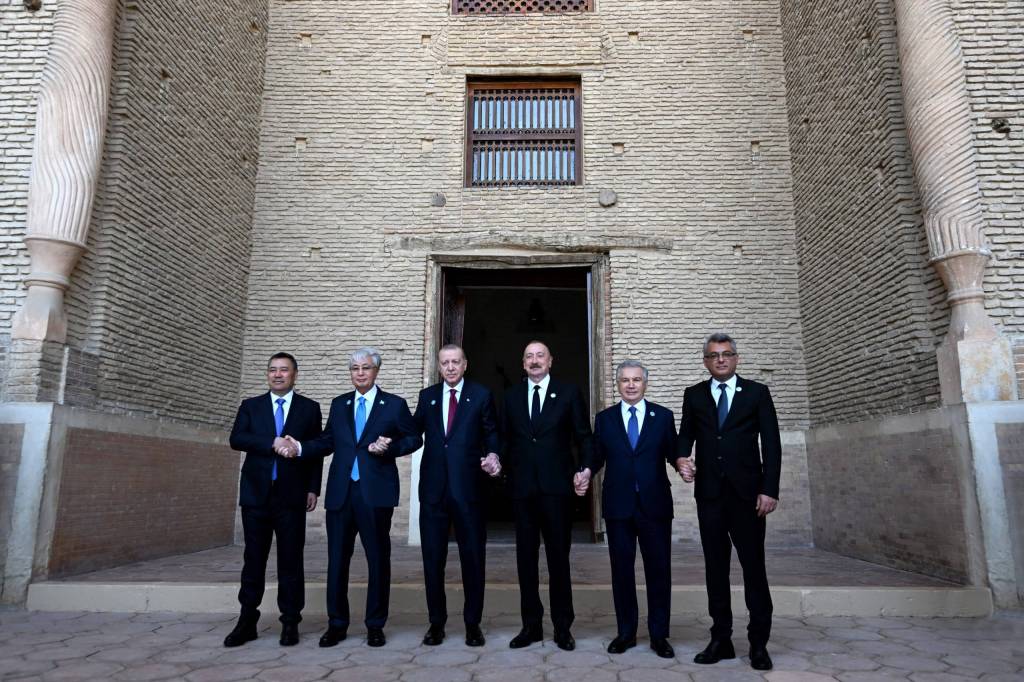
The mausoleum, erected in the late 14th century by order of Amir Timur, is listed on the UNESCO World Heritage List and is regarded as one of the most outstanding monuments of medieval Islamic architecture in Central Asia. Construction began in 1389-1391 and continued until the end of the 14th century. Masters from Central Asia, along with architects and decorators from other regions, participated in creating the complex.
The leaders paid tribute to the memory of the outstanding Sufi poet and thinker.
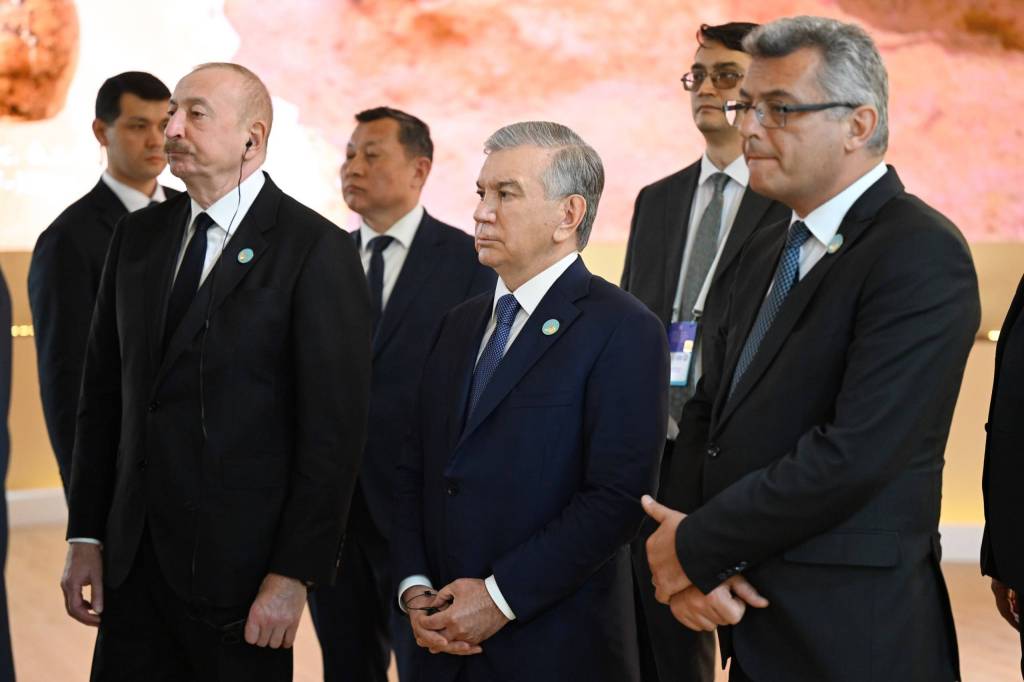

The heads of delegations then toured the visitor center of the Hazrat Sultan Museum-Reserve, which features modern facilities for receiving visitors, hosting exhibitions, and showcasing the rich historical and cultural heritage of Turkestan.
A special feature of the center is the Hall of Rare Exhibits, established as a permanent museum exhibition dedicated to preserving, studying, and promoting the unique heritage of the medieval era.
The exhibition features rare historical relics associated with the Mausoleum of Khoja Ahmed Yasawi, including authentic artifacts from the 14th and 15th centuries, examples of medieval decorative art, ceramics, and architectural ornamentation. Among the exhibits are the original tomb door, the burial shroud of Khoja Ahmed Yasawi, bronze candlesticks presented by Amir Timur, and archaeological and ceramic finds that reveal the ancient history of Turkestan.
It was noted that such monuments and cultural projects are of great importance for preserving spiritual heritage, strengthening historical memory, and further uniting the fraternal peoples connected by common roots, faith, and traditions.
UzA