New mechanisms are being introduced in the social protection system
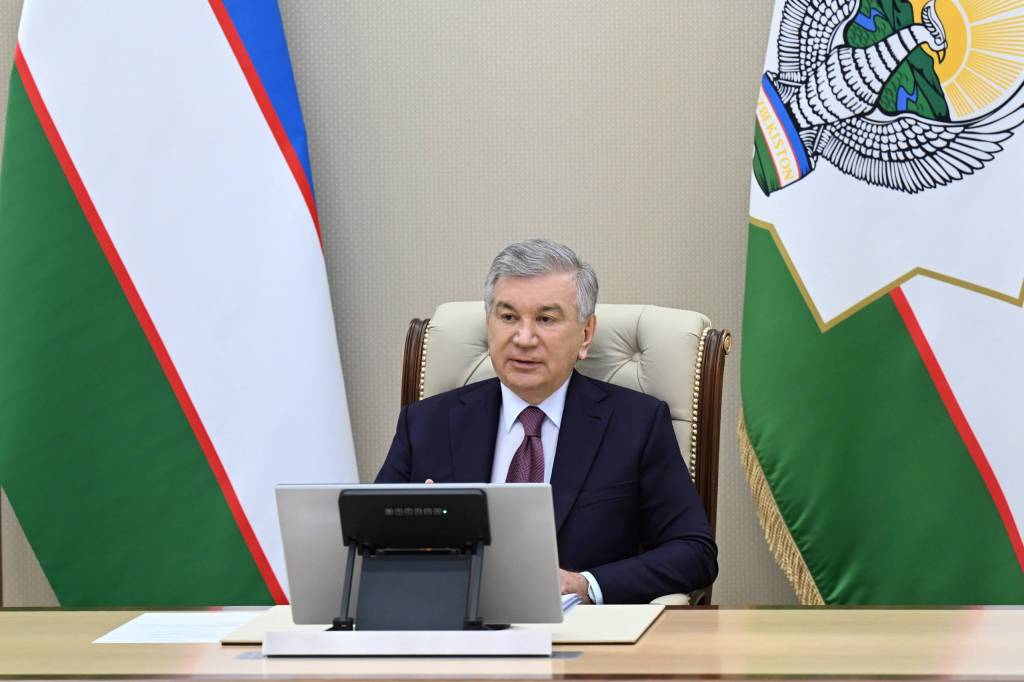
President Shavkat Mirziyoyev reviewed proposals to support socially vulnerable segments of the population, expand coverage, improve the quality of social services, and strengthen the legislative framework in this area.
In recent years, large-scale reforms have been implemented in the country to bring social protection to a qualitatively new level, ensure targeted and transparent delivery of state support to citizens in need, digitalize services, and provide them proactively. At the same time, priority attention is given to comprehensive support for persons with disabilities, citizens requiring constant care, families raising children with disabilities, women affected by harassment and violence, and entrepreneurs providing social services.
During the presentation, the issue of fundamentally improving the system of social services for persons with disabilities with mental disorders was discussed. It was noted that the main objective in this area is to ensure their full participation in society, to provide comprehensive services under conditions as close as possible to a family environment, and to support families involved in their care.
In particular, by June 1, 2026, a new “Early Intervention” service for children ages 0 to 3 with identified developmental disorders will be introduced in stages. Under this service, with the participation of special educators and physical therapy instructors, children will receive corrective and pedagogical assistance, as well as speech and physical development sessions. The service will be provided by non-governmental organizations based on a special electronic registry. In addition, the State Health Insurance Fund will cover the costs of additional medical examinations and surgical operations for children born with anatomical defects.
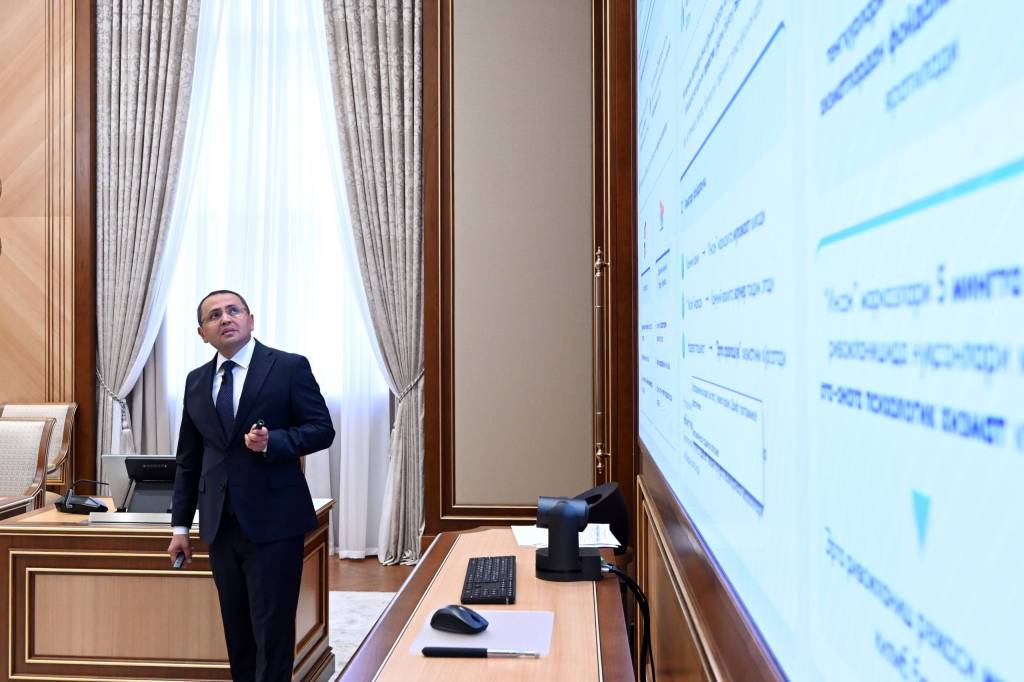
For persons with disabilities in groups I and II with mental disorders, new social services will also be introduced in stages throughout 2026. These include the “Yangi Kun” daytime care service, home-based care services, the “Madad” supported small group homes service, and short-term placement in the “Social Respite” format. These services will aim to support families through care and supervision, develop daily living skills, teach household activities, and enhance professional and financial competencies.
The new services will be provided through public-private partnerships with non-governmental organizations that have the necessary competencies and meet established requirements. This will make it possible, already in 2026, to provide new services to 8.3 thousand people with mental disorders and to engage up to 600 non-governmental organizations and individual entrepreneurs in providing social services. Subsidies from the State Social Protection Fund will cover the costs associated with using these services.
In addition, beginning September 1, 2026, a new monthly care allowance will be introduced for legal representatives caring for adults over 18 years of age who have been diagnosed with profound intellectual disability.
The powers of the “Inson” social services centers are also being expanded. Starting June 1 of this year, their staff will become part of the guardianship and trusteeship commissions under the district and city hokimiyats. Moreover, they will, on an ongoing basis, monitor the fulfillment of guardians’ and trustees’ duties, the protection of the rights and legitimate interests of such persons, the safety of their property, and cases of harassment and violence against them.
Special attention has also been given to the transformation of residential care institutions. According to the proposals, the “Muruvvat” care homes will be gradually transformed into “Gamhurlik” (“Care”) centers. These institutions will no longer primarily operate as medical and social facilities but as socially oriented centers aimed at helping individuals adapt to life in society. It is envisaged that residents will be involved in sports, creative activities, occupational therapy, labor and socio-spiritual therapy, the development of life skills through a supervised independent living service, and the creation of small family-type homes.
New initiatives to improve social protection legislation were also discussed during the presentation. In particular, it includes strengthening liability for disability-based discrimination, providing court decisions in accessible formats for persons with disabilities, and targeted provision of social services and guarantees based on the Unified Social Register.
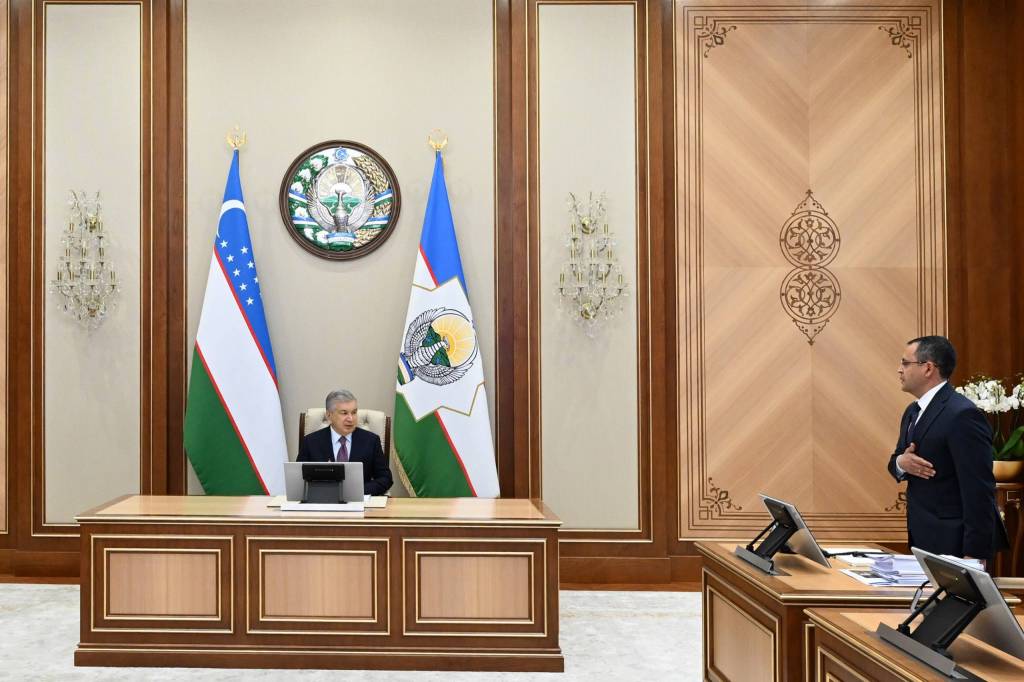
The development of day care services was also identified as an important area. It is envisaged that monthly payments of up to 3 million UZS for parents enrolling a child with a disability aged 3 to 18 in a day care center will be exempt from personal income tax, and that, until 2030, entrepreneurs providing such services under a public-private partnership will be exempt from taxes. Currently, such services are provided by 396 entrepreneurs, serving more than 4,400 children with disabilities.
The issue of expanding the categories of citizens entitled to free travel on urban public transport was also considered. In particular, it is proposed to extend this right to persons with group I disabilities and one accompanying person, as well as to persons equated with veterans with disabilities from the 1941-1945 war.
New mechanisms to ensure the economic independence of women affected by harassment and violence were also discussed at the presentation. In particular, it is planned to introduce a procedure under which they will be able to register as job seekers without a separate application – based on a request from the “Inson” center – with subsequent assistance in employment and prompt exchange of information on the results.
Measures to strengthen legislation to protect children’s rights and counter certain forms of violence against minors were also considered. In particular, it is envisaged to establish separate administrative liability for the possession of pornographic materials depicting minors with the intent to distribute them, to apply criminal liability in the event of repeated commission of such an offense, and to tighten penalties for committing indecent acts against persons under 16 through the internet and telecommunications networks. It is also envisaged that imprisonment be imposed for the import into the country, for distribution, of pornographic materials depicting minors, for their production, advertising, or demonstration, or for the involvement of a minor as a performer in pornographic acts.
In addition, to ensure reliable protection of the rights of minor witnesses and victims, the institution of their legal representative is being introduced, and clear time limits for conducting interrogations are being established.
The presentation also provided information on projects developed in Jizzakh region by the reform headquarters, taking into account the comparative advantages of mahallas.
The Head of State approved the new mechanisms and proposals in the field of social protection and signed the relevant legislative acts.
UzA