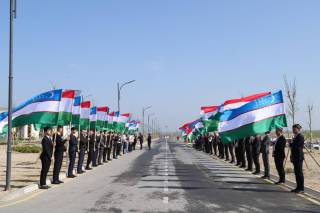
Key documents signed for the nuclear power plant construction project implementation
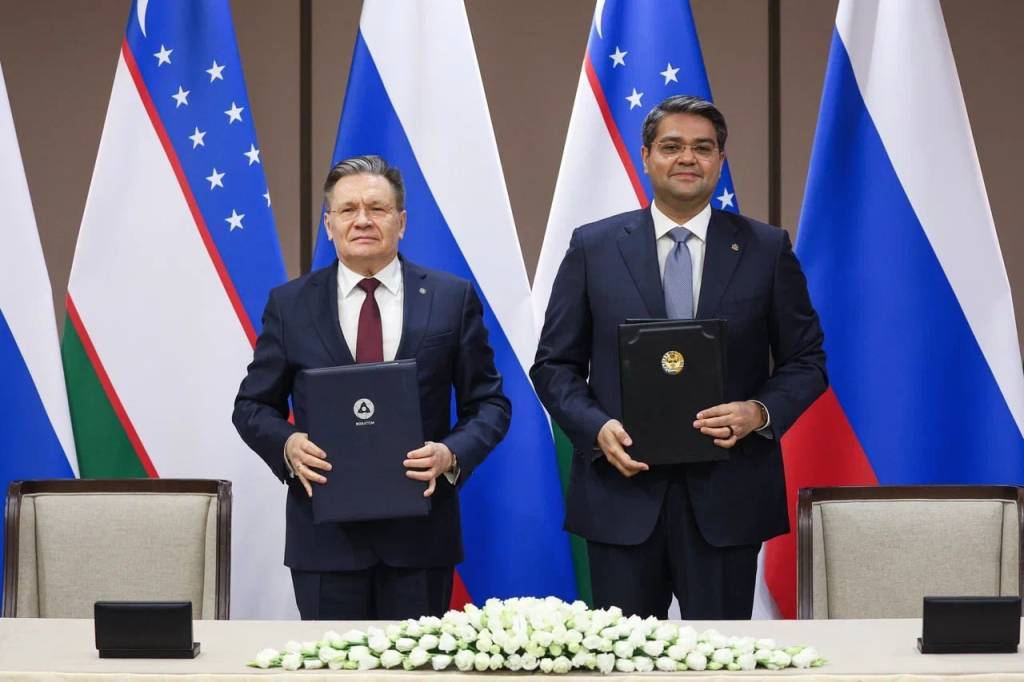
Today in Tashkent, representatives of the Atomic Energy Agency under the Cabinet of Ministers of the Republic of Uzbekistan and the Rosatom State Atomiс Energy Corporation signed additional agreements to implement the nuclear power plant project in Uzbekistan.
Director of the Atomic Energy Agency under the Cabinet of Ministers of the Republic of Uzbekistan Azim Ahmedkhodjayev and Director General of Rosatom Alexey Likhachev noted the strengthening of cooperation between the parties in the field of nuclear energy and the practical significance of the work being carried out in the country on the construction of the nuclear power plant.
At the event, a site-use permit for the installation of two power units with RITM-200N reactor setups was signed by the State Enterprise “Directorate for Nuclear Power Plant Construction” and Rosatom. Additionally, an addendum to the contract for the construction of a nuclear power plant in the Republic of Uzbekistan was signed by Uzatom and Rosatom, along with a roadmap for cooperation in nuclear and related fields.
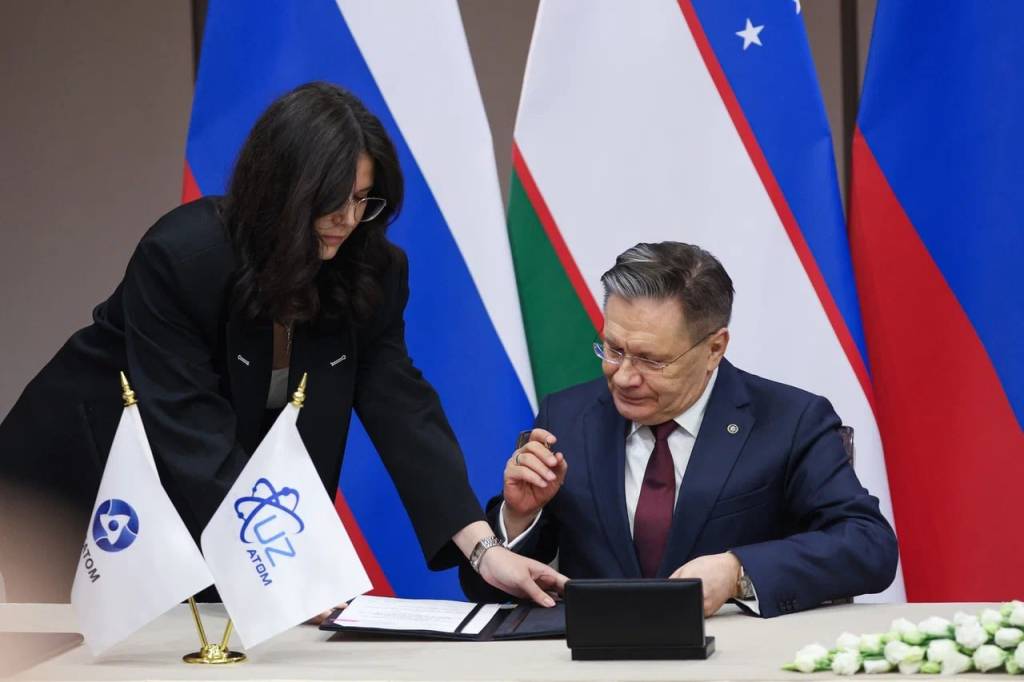
“The NPP project highlights the extensive use of local resources. All construction materials are subject to rigorous laboratory testing and are only used with the proper approvals. Additionally, following the President’s directive, a roadmap for developing nuclear energy was developed and signed during the event. The document plans not only to build a nuclear power plant but also to create a nuclear town around the facility – a modern community for nuclear specialists. All necessary amenities will be provided for up to 20,000 nuclear experts to live there, including medical and educational facilities, as well as other social infrastructure. The project aims to integrate the latest international experience and technologies and to involve specialized organizations”, said Mr. Ahmedkhodjayev.
As Mr. Likhachev pointed out, nuclear facilities of different sizes will be constructed at a single site – large (1,000 MW) and small (55 MW) reactors.
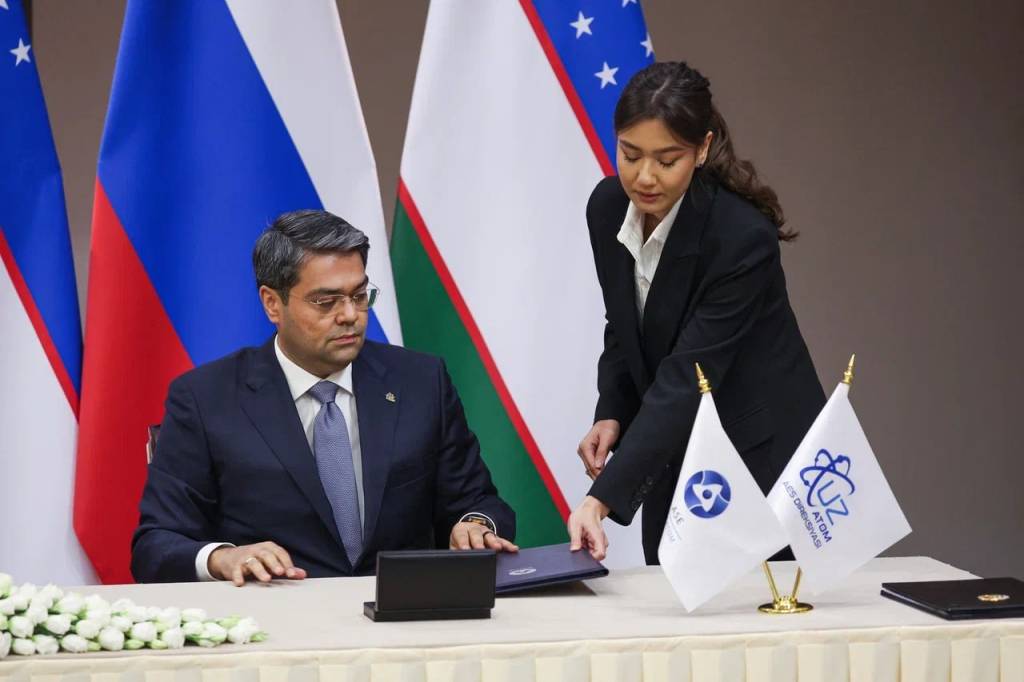
“This practice has not been used before and opens new opportunities in technological and economic areas. Today, another key issue has been addressed – the issuance of a license for siting nuclear energy facilities. This allows us to proceed to the practical phase of building a small-capacity nuclear power plant”, he said.
The documents signed during the event mark an important step in the systematic organization of the work being done.
Nasiba Ziyodullayeva, UzA