Integration without barriers: Labeling unites the markets of partner states

Uzbekistan is taking another step toward deepening economic integration and the digital transformation of trade: a mechanism for the mutual recognition of digital labeling codes with partner states has been approved, opening a new stage in the development of a transparent and barrier-free market.
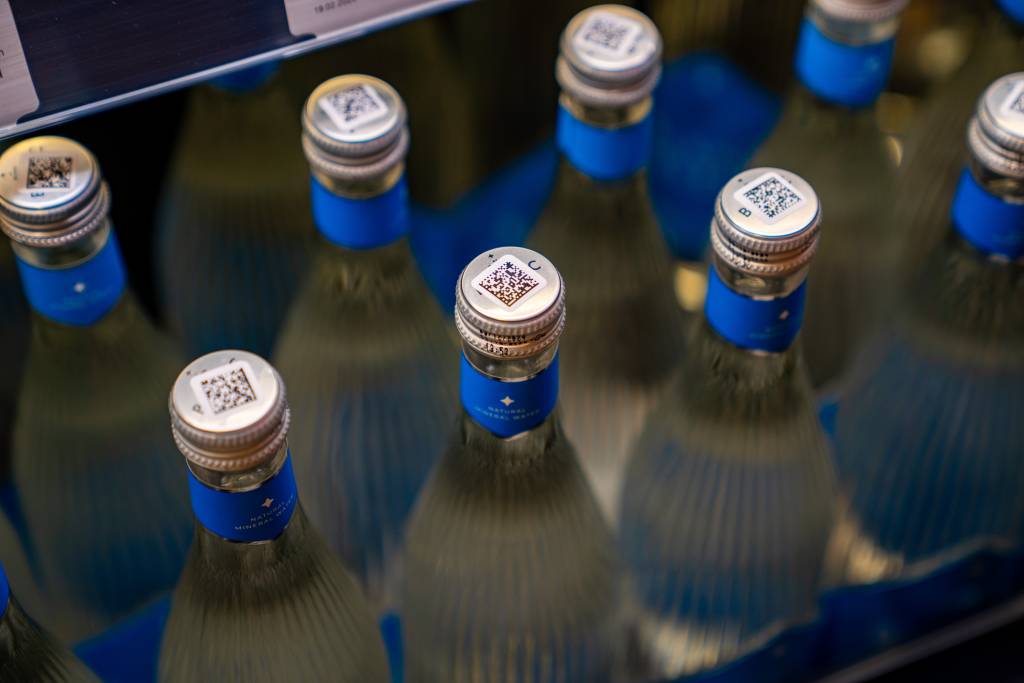
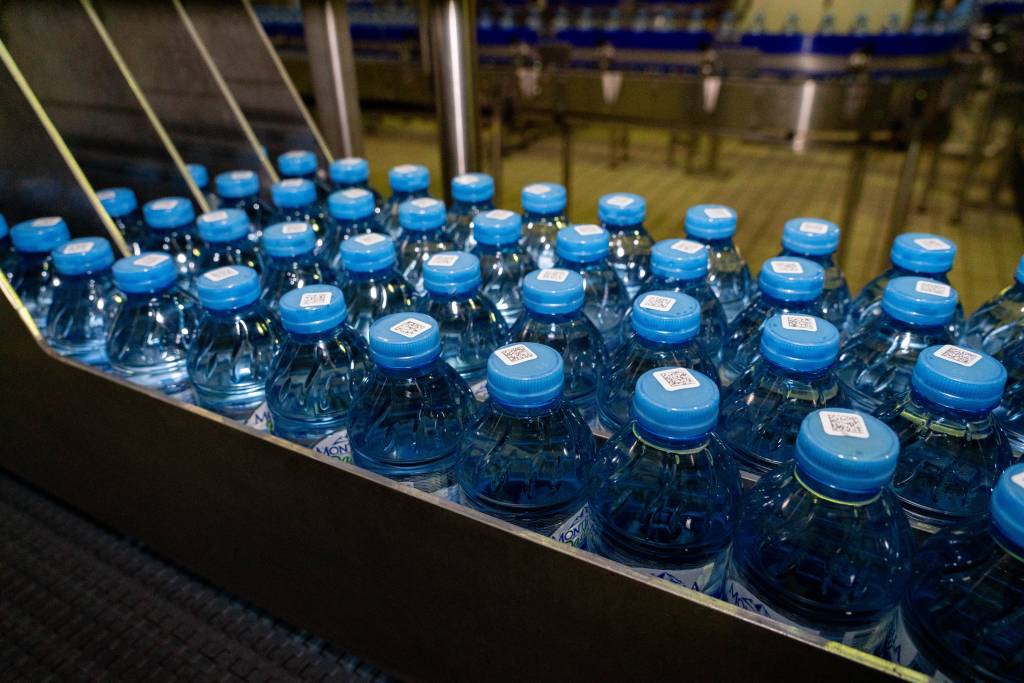
By a Cabinet of Ministers resolution dated 11 February 2026, the procedure for the mutual recognition of digital labeling codes between Uzbekistan and partner states has been approved. Starting on 1 June, the mechanism will apply to water and soft drinks.
This decision is strategically important for the development of the digital traceability system and confirms the course to expand the range of labeled product groups. In the context of growing cross-border trade, digital labeling is becoming a key instrument for protecting the market, businesses, and consumers.

The innovation aims not only to simplify foreign economic activity and reduce importers’ costs by eliminating double labeling, but also to create a more resilient, transparent, and technologically integrated system for controlling product circulation.
The practice has already proven its effectiveness
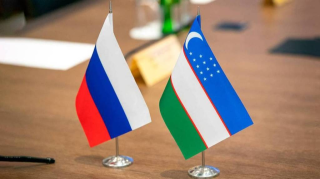
The mechanism for the mutual recognition of codes was previously implemented in the pharmaceutical sector. In 2024, the governments of Uzbekistan and Russia signed an agreement on information exchange regarding the transfer of data on the labeling codes of medicinal products. In 2025, the mechanism was successfully tested.
The pharmaceutical sector’s experience has confirmed that digital traceability significantly strengthens control over product circulation, minimizes the risk of counterfeit goods, and creates a unified environment of trust among states. Expanding the practice of mutual recognition to other product categories is a logical and necessary step.
How will the mechanism operate?
The Tax Committee has been designated as the authorized body responsible for recognizing digital labeling codes of partner states in Uzbekistan. By 1 April 2026, it will approve data exchange requirements that take into account information protection, which will be mandatory for all involved authorities and organizations, and will ensure the use of mutually recognized codes in electronic invoices and online cash register receipts.
The Customs Committee will retain mandatory oversight of labeling codes during the import of goods and will establish systematic information exchange with foreign counterparts.

The operator of the digital labeling system, Asl Belgisi, ensures the receipt, processing, storage, and protection of data. All information generated in Uzbekistan is stored in data centers located within the country. The transfer of information to foreign authorities is conducted exclusively under international agreements and in strict compliance with information security requirements. The release of goods into free circulation is permitted only after the system confirms the authenticity of the codes.
Significance for business and consumers
The mutual recognition of codes is not merely a technical procedure. It is a mechanism that:
- eliminates double labeling upon import;
- reduces the financial and administrative burden on businesses;
- accelerates the movement of goods across the border;
- maintains full digital traceability of products.
Consumers in partner states will be able to verify goods produced in Uzbekistan, while consumers within the country will be able to check imported products. Thus, digital labeling becomes a universal instrument of trust, operating regardless of the goods’ country of origin.
It is important to emphasize that the recognition of codes applies exclusively to digital identification and does not cancel mandatory requirements for registration, certification, and compliance with national legislation.
The need for expansion
The extension of the mechanism to water and soft drinks represents another stage in systematic efforts to strengthen market transparency. The consistent inclusion of new product groups and the expansion of the number of partner states lay the foundation for a large-scale digital space of trust. The broader the coverage of labeled goods and the more countries that participate in mutual recognition of codes, the more effective the fight against illicit circulation, the higher the level of consumer protection, and the more favorable the conditions for bona fide business.
Digital labeling is no longer merely a separate control instrument. It is becoming the basic infrastructure of the modern market, where transparency, security, and fair competition are mandatory standards.
UzA