How will the OVI platform impact healthcare in Uzbekistan?
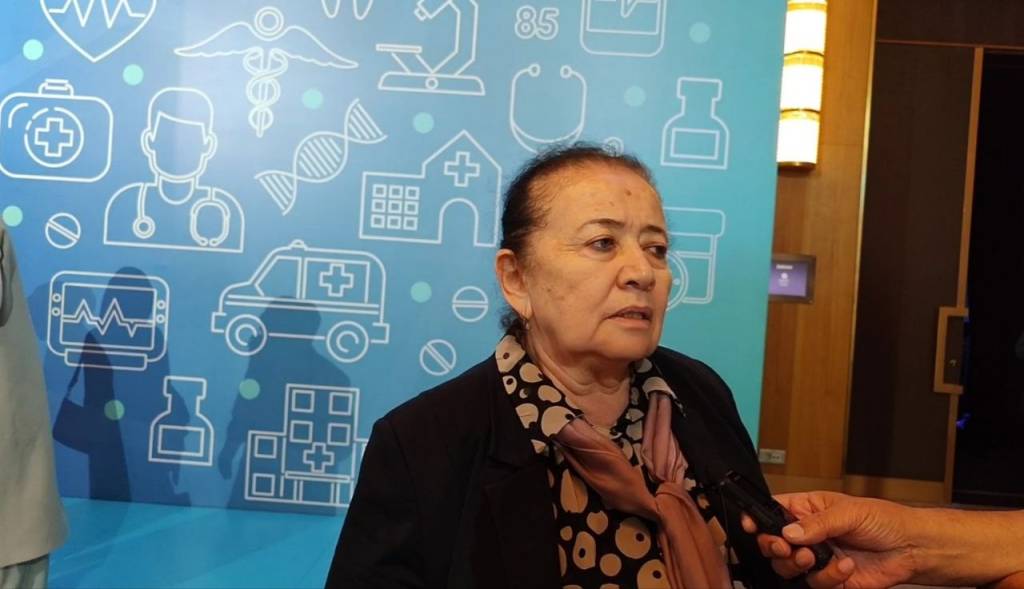
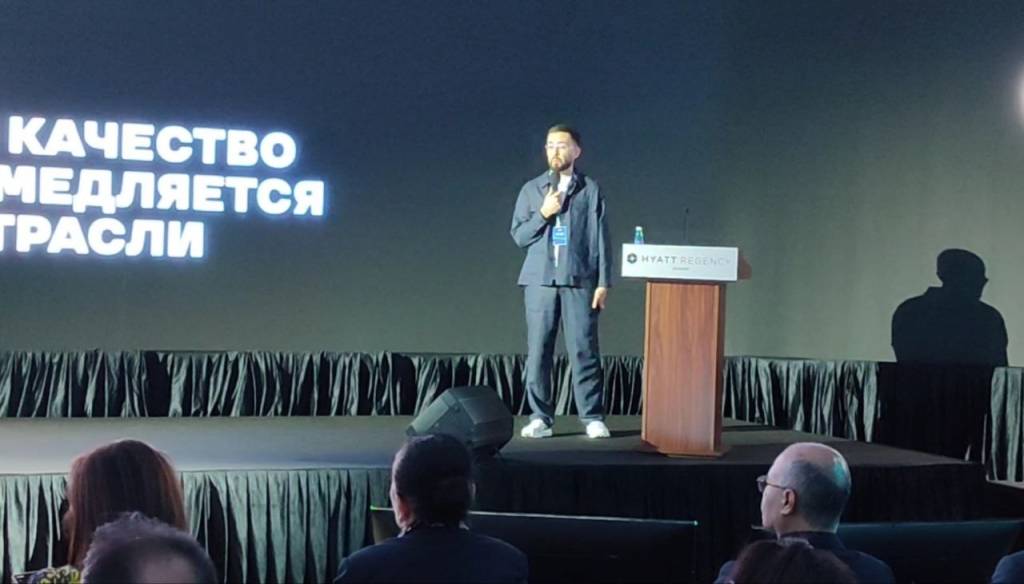
In Tashkent, the official launch of the innovative medical mobile application OVI took place at the Hyatt Regency Tashkent. The developers have set an ambitious goal – to create a transparent infrastructure for the private sector that will operate in close coordination with government digitalization initiatives.
The event, which brought together representatives of the Administration of the President of the Republic of Uzbekistan, the Cabinet of Ministers, and leading international experts, marked a transition to a unified digital environment where patient interests and healthcare capabilities align.
According to Elmira Basitkhanova, Deputy Minister of Health of the Republic of Uzbekistan, the OVI platform enables the simultaneous resolution of several tasks. These include digitalization and the integration of artificial intelligence into a doctor’s work. Artificial intelligence should not be approached blindly. OVI is integrated into the interaction between patient and doctor in a balanced way. The doctor makes the diagnosis independently, while the platform ensures that artificial intelligence does not encroach on the doctor’s domain.
The patient’s journey in this new reality begins on a smartphone screen, where AI-powered algorithms replace the familiar search for a doctor. The system no longer offers a list of specialists but automatically selects them based on real reviews, ratings, and geolocation. This approach turns the application into a personal digital assistant capable of booking appointments in just a few taps, storing test results in an electronic medical record, and even rewarding users through a loyalty system that uses OVI coins.
However, technological progress is impossible without the participation of doctors themselves, for whom the specialized ecosystem OVI Pro has been developed. This tool is designed to free specialists from the burden of routine tasks by automating reporting and providing instant access to a patient’s medical history. When a doctor is no longer constrained by paperwork, the most valuable resource emerges – time to provide care.
Symbolically, the annual national competition Tibbiyot Fidoyisi was launched on the same day. This project, which covers more than 600,000 healthcare workers nationwide, aims not only to enhance the profession’s prestige but also to build a fair and transparent public rating system.
The technical foundation of the competition is the OVI platform, whose digital infrastructure ensures complete transparency throughout the process. Any form of manipulation is ruled out: results are based on objective evaluations by patients themselves, making victory in Tibbiyot Fidoyisi the highest mark of public trust. Thus, digitalization today is becoming not just a convenient service but an instrument of fairness that places doctors’ professionalism and the health of every citizen of Uzbekistan at the forefront.
Roman Bondarchuk, UzA