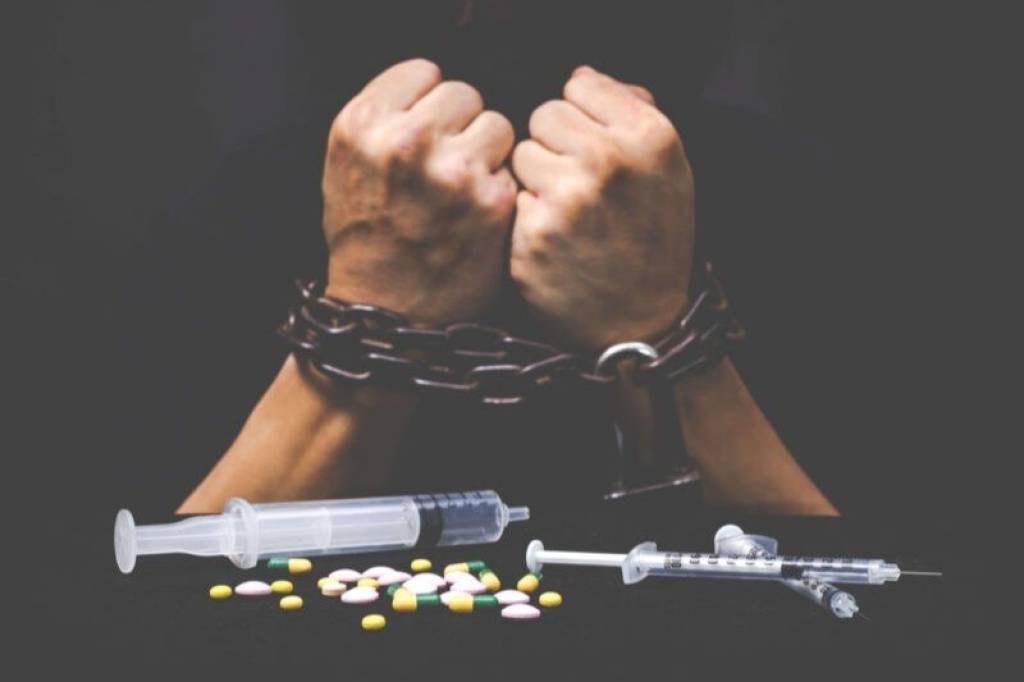
Drug-related crime and drug addiction – a threat to the nation’s gene pool
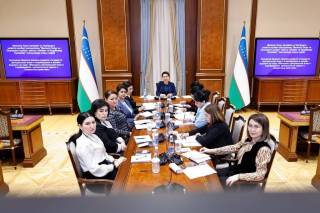
For many centuries, Samarkand, a city that has united civilizations and caravan routes, leaving an indelible mark on human history, continues to host major initiatives of New Uzbekistan. In this ancient and enduring city, a global forum held in cooperation with the United Nations Office on Drugs and Crime on “Combating transnational drug threats to ensure public health and safety” became a practical manifestation of Uzbekistan’s firm stance in the fight against drug-related crime and of its new initiatives aimed at strengthening international cooperation in this direction.
At this prestigious event, which brought together more than 20 influential international organizations, including the United Nations, INTERPOL, the European Union, the Shanghai Cooperation Organization, the Commonwealth of Independent States, and the World Customs Organization, as well as heads of law enforcement agencies from nearly 50 countries and around 500 international experts and specialists in the field, Uzbekistan’s firm steps in combating drug-related crime and the positive results being achieved were particularly recognized, despite its complex geopolitical location in the region.
Over the past 10 years, systemic measures have been implemented in our country to combat drug addiction and drug-related crime. In this regard, the introduction of new working methods into practice is yielding positive results. Within a relatively short period, 22 legislative acts have been adopted.
In particular, the National Strategy for 2024-2028 was approved by the Decree of the Head of State dated May 6, 2024, “On strategic measures to eliminate the negative impact of the illegal circulation of narcotic drugs and psychotropic substances on public health and the nation’s gene pool in the Republic of Uzbekistan”.
On November 3, 2025, the President reviewed a presentation of proposals on protecting the nation’s gene pool from drug addiction. It was noted that since the beginning of the year, more than 11,000 drug-related crimes have been detected and nearly 2.5 tons of narcotic substances have been seized. At the same time, negative trends in the sector were analyzed, highlighting that psychotropic and synthetic substances are replacing traditional narcotics, are mainly spreading among young people, and that synthetic drugs are being produced in clandestine laboratories and distributed through contactless methods via the internet.
Emphasizing the critical importance of this urgent issue, the Head of State particularly noted: “Therefore, the time has come to introduce into our national legislation norms aimed at preventing such threats, combating them relentlessly, and eliminating this scourge at its roots”.
On the same day, the Decree “On comprehensive measures to effectively protect public health and the nation’s gene pool from drug addiction and drug-related crime” was signed. This document is intended to elevate efforts to combat drug addiction and organized drug crime to a qualitatively new level.
By the Decree, the “National Program of Comprehensive Practical Actions for 2025-2026 on Early Prevention of Drug Addiction and Drug-related Crime and Combating Them” was approved, outlining 52 priority areas.
As a result of the reforms implemented in the country, the effectiveness of operational-search activities has increased significantly. In particular, in 2025, 15,412 drug-related crimes were detected. Fourteen drug laboratories specializing in the production of synthetic narcotic substances, as well as workshops for packaging potent medicinal products, were uncovered.
13,170 instances of “narco-graffiti” promoting drug trafficking via online drug shops were removed. A total of 11,049 individuals who committed drug-related crimes were held criminally responsible. 3 tons and 775 kilograms of narcotic substances in illegal circulation were destroyed. More than 2,055,000 units of potent medicinal products, with an estimated “black market” value of $14 million, were confiscated.
As the saying goes, “It is better to prevent a disease than to treat it”, so special attention is being paid to prevention. Every year in February, the comprehensive operational-preventive campaign “Prevention of the spread of narcotic drugs and psychotropic substances among youth” is held.
Within the framework of this campaign, 53,500 meetings were held in 2025 at educational institutions and enterprises, with more than 1.5 million young people participating. In addition, 2,442 sports competitions, 681 visual arts contests, 361 theatrical performances, and 72 marathons were organized.
At a meeting on January 27 of the current year, Shavkat Mirziyoyev criticized the activities of state bodies in this area, emphasizing that the growing number of people turning to drugs, especially among young people, is a serious concern.
To increase the effectiveness of efforts to combat this scourge, it was decided to implement preventive measures in three stages throughout the year. Within this framework, employment was provided to 640 unemployed young people from the unorganized sector.
The “Qoradori 2025” campaign is also yielding effective results. Within its framework, 1,381 crimes were detected, and narcotic-related poisonous plants covering 26,904 square meters were destroyed.
In addition, as part of the “Safe and Healthy Country” campaign, 7,187 drug-related crimes were uncovered, and 243 members of criminal groups involved in the online distribution of narcotics were apprehended.
Currently, programs are being developed to digitize the system and to detect and block the online distribution of narcotic substances using artificial intelligence. The field of forensic expertise is also being improved.
Drug-related crimes do not recognize borders. Therefore, within the framework of international cooperation, 14 joint operational-search activities were conducted with the law enforcement agencies of Russia, Tajikistan, and Kyrgyzstan. As a result, 42 individuals affiliated with a transnational criminal group were detained, and 237 kilograms of narcotic substances were confiscated.
In conclusion, the fight against drug addiction in Uzbekistan is being waged not only through law enforcement but also through a comprehensive approach that encompasses medical, preventive, and social dimensions. These efforts serve the noble goal of preserving public health and protecting the nation’s gene pool.
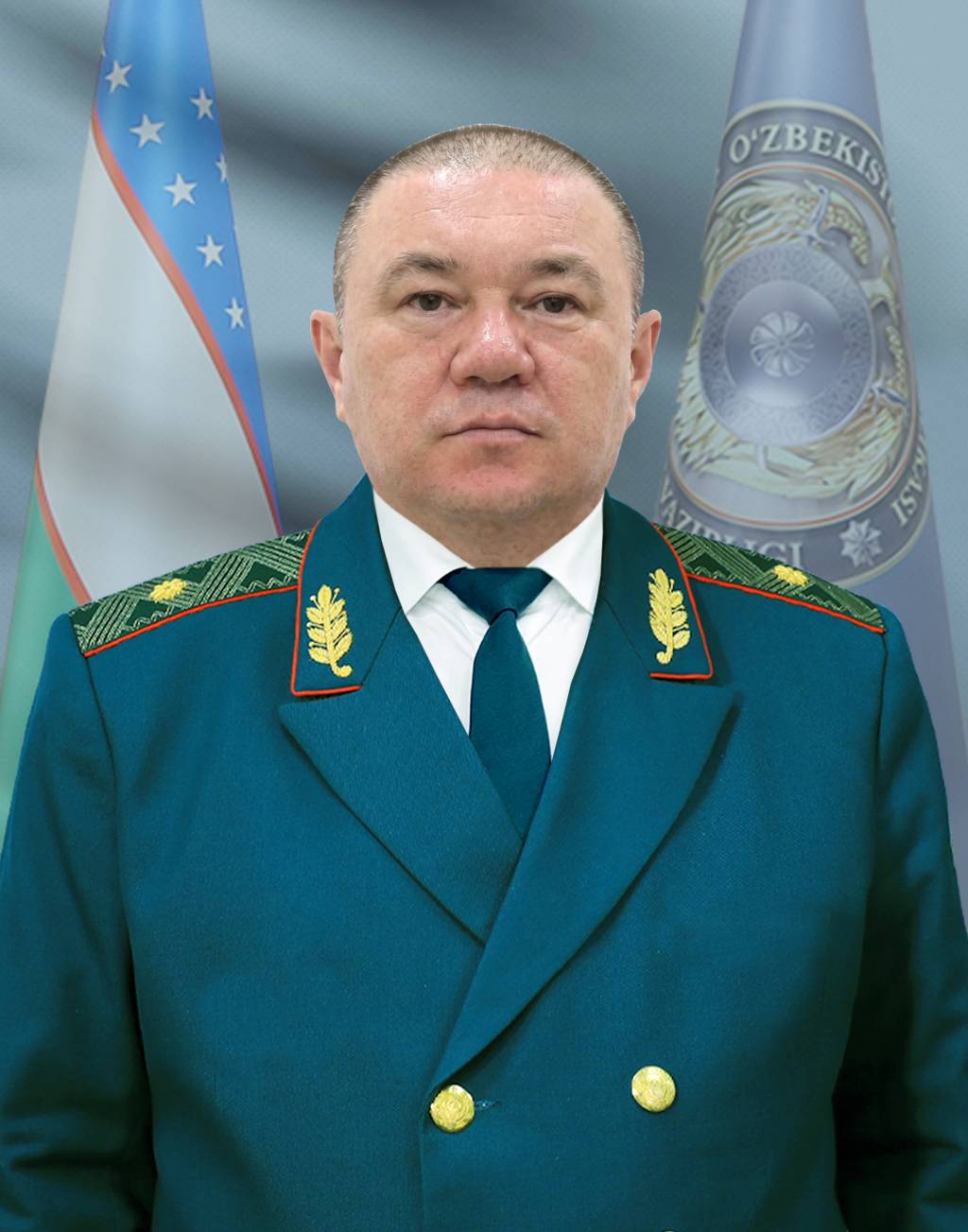
Botir Qudratkhodjayev,
First Deputy Minister of Internal Affairs