Consumer loans near 240 trillion soums, with mortgages accounting for the largest share.
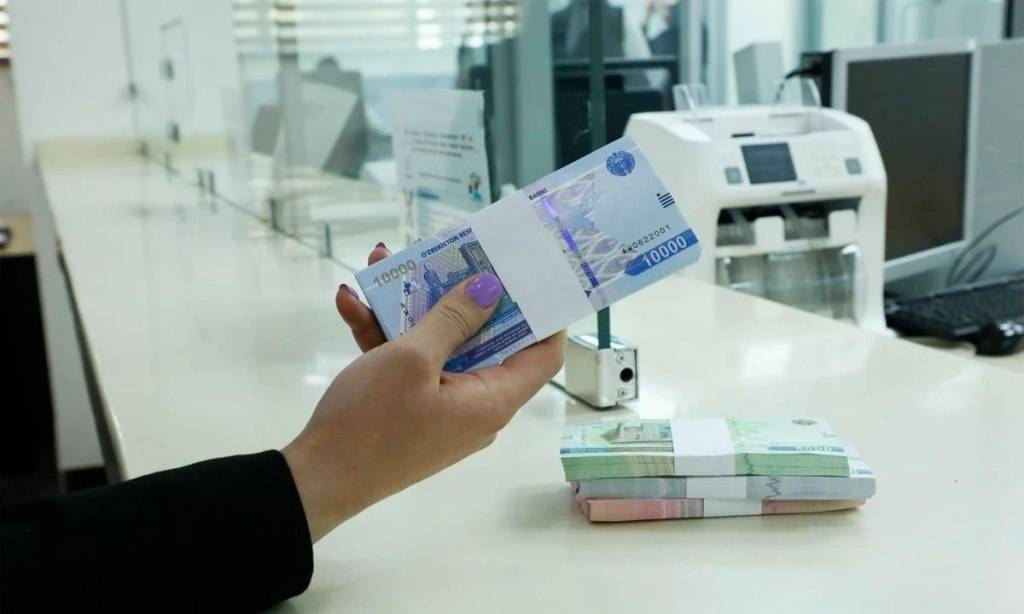
The population's demand for banking services, particularly for credit products, persists. As of August 1, 2026, the outstanding balance of bank loans issued to individuals reached nearly 240 trillion soums.
According to the Central Bank, the outstanding balance of loans taken by the population from banks totaled 239.801 trillion soums. This represents an 8.9% increase compared to the beginning of the year. Mortgage loans account for the largest share in the structure of household loans. Specifically, as of August 1, 2026, the outstanding mortgage loan balance stood at 88.147 trillion soums.
This constitutes 36.8% of all household loans. In other words, for every 100 soums loaned to individuals, nearly 37 soums are directed towards financing home purchases or mortgage obligations. Microloans are the next major category in the structure of household loans. Their outstanding balance has reached 51.141 trillion soums.
Since the beginning of the year, the volume of microloans has increased by 4.7%, or 2.278 trillion soums. This indicates a high demand among the population for relatively small, quick financial resources. Among the credit products offered to the population, the highest growth was observed in credit cards and overdrafts.
Since the beginning of the year, the outstanding balance of these types of loans has increased by 33.5%, or 1.484 trillion soums, reaching 5.914 trillion soums. This indicates that banks are offering more flexible forms of credit access for the population. However, the rapid growth of debt on credit cards and overdrafts also highlights the pressing need for the population to manage their credit obligations prudently.
Overall, the outstanding household loan balance approaching 240 trillion soums signifies the expanding scale of financing for individuals by banks. While the large share of mortgages in the loan portfolio demonstrates the crucial role of housing finance in household lending, the growth in microloans, credit cards, and overdrafts also suggests that the population's short- and medium-term financial needs are high.
Shahnoza Mamaturopova, UzA