A new model of cooperation in new geopolitical conditions
Today, there is a growing geopolitical and geoeconomic tension between countries, leading to the emergence of new forms of conflict. This deepens global geopolitical competition. Such competition is a natural process that stimulates development and progress.
These processes are leading to global polarization and the formation of new centers of influence. In particular, the trend toward integrating advanced technologies into all aspects of social and economic life, aimed at achieving superiority and expanding spheres of influence, is affecting most states.
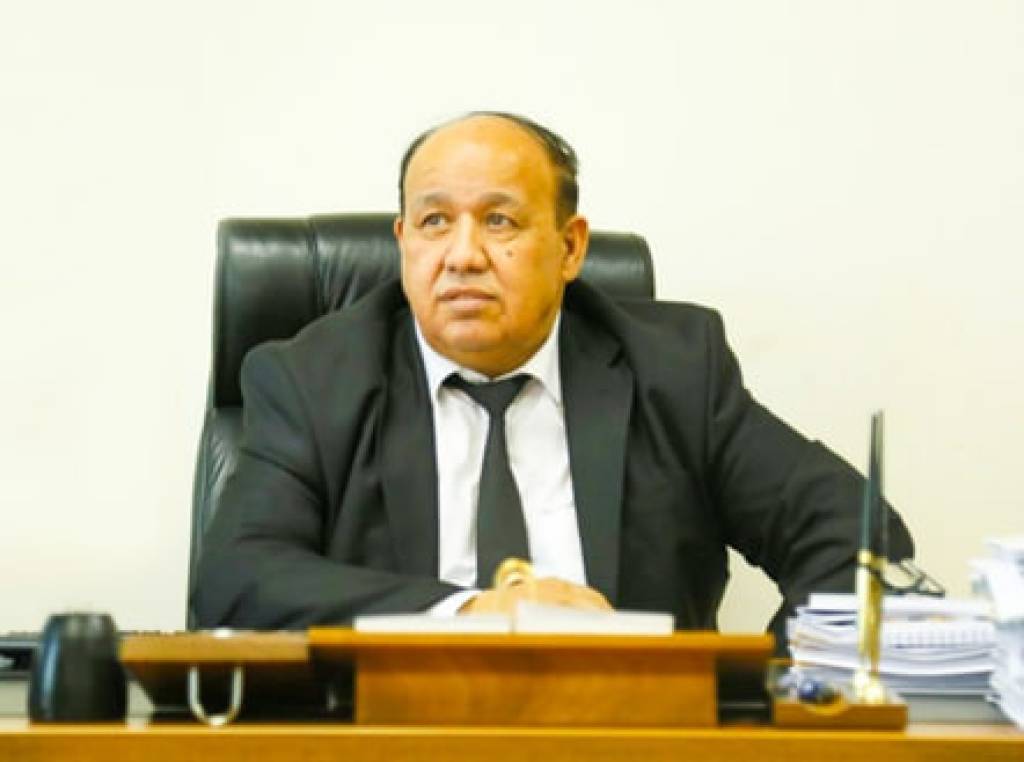
According to the Doctor of Political Science and Professor Sayfiddin Jurayev, under conditions of globalized processes, the mechanisms of preventive diplomacy and the activities of international organizations are not demonstrating sufficient effectiveness. This leads to crisis phenomena within the international institutions themselves and a decline in the global community’s confidence in their prospects.
In such contradictory conditions, the need is growing for institutions capable of effectively shaping the formation of new orders and resolving conflicts through new approaches. At the same time, the need to improve the functioning of traditional international structures is becoming increasingly evident.
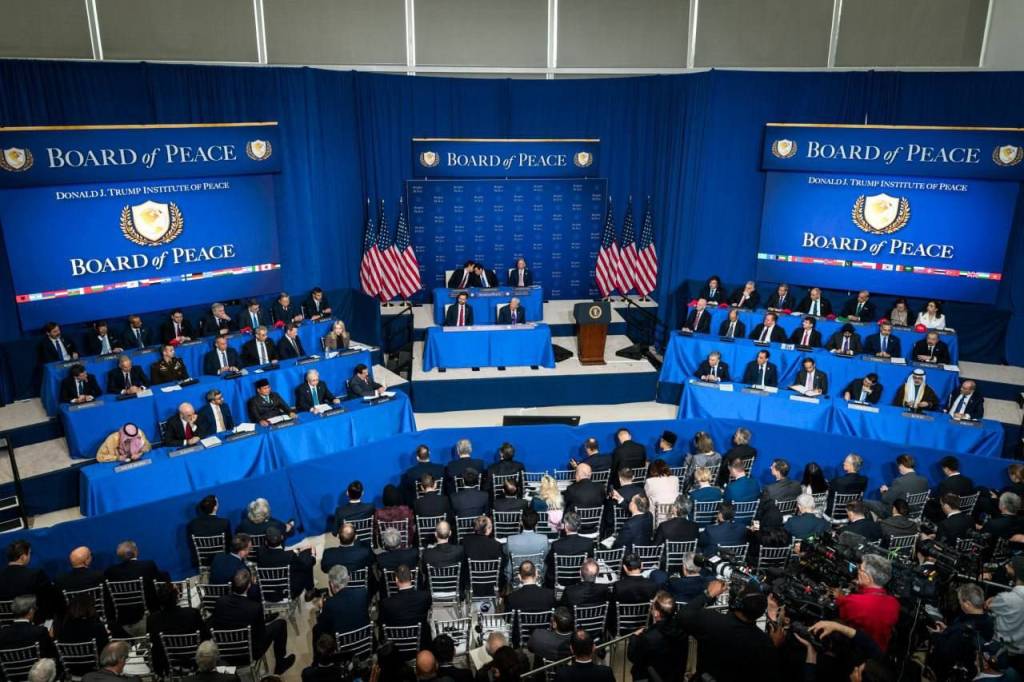
These factors have made the idea of establishing the Board of Peace a natural process. Uzbekistan’s active participation as one of the founders of this platform further strengthens our state’s authority on the international stage and lays the foundation for shaping new trends at both the regional and global levels.
This raises the question: how did Uzbekistan achieve this status, and what does it mean, first and foremost, for our country and the region? The answer lies in the fact that the initiatives and proposals put forward by the Head of our State have been recognized internationally as relevant, promising, and effective solutions to the accumulated global problems.
First, the ideas presented offered a universal approach that takes into account the interests not only of a specific territory but of all peoples – a kind of “formula for cooperation”. In addition, the foundation for Uzbekistan’s growing authority has been the effectiveness of the large-scale reforms implemented in the country in recent years, its constructive regional policy, and its active economic diplomacy.
Second, a new global economy is emerging, based on strategic resources, particularly rare-earth metals. In this process, Central Asia is emerging as a region of enormous opportunities. Its role as a key link between the West and the East within the framework of new economic realities further increases the geoeconomic significance of the entire region.
Third, the trend toward regionalization rather than globalization is gaining strength. Globalization, which intensified in the 1990s, no longer fully meets contemporary requirements. Ideas previously advanced on the global agenda, such as global interdependence, the protection of human rights, and the promotion of democratic values, have in some cases become ideologized, remaining at the level of appeals and declarations without practical results. As a result, concepts of global democratization and the construction of a society based on unified ethical standards have not been practically implemented.
Fourth, under current conditions, the trend toward awareness and appreciation of cultural and national identity is strengthening, alongside a reliance on pragmatism and realism. The priority of national and regional interests, as well as approaches grounded in the rule of law, is becoming a key direction in international politics. Instead of symbolic statements, ineffective agreements, and declarations, greater importance is now placed on commitments that entail political responsibility and are aimed at concrete goals and results. Consequently, political maturity, new thinking, and a modern political culture are becoming decisive factors in these processes.
Uzbekistan’s participation in the Board of Peace represents an important strategic step in the new geopolitical conditions. This initiative is gaining particular significance in achieving concrete results, particularly in the Gaza Strip.
This approach has deep practical substance and is based on clear political, economic, and humanitarian logic. The proposed system is founded on innovative principles and does not duplicate traditional formulas that are losing relevance. On the contrary, it advances a new concept of direct action aimed at ensuring peace through sustainable economic development.
Undoubtedly, this platform identifies infrastructure development, investment attraction, and job creation as priority tasks. This once again confirms the rationality of President Shavkat Mirziyoyev’s initiatives and efforts to ensure peace and stability in the Middle East.
Musulmon Ziyo, UzA