Samarkand as a worldwide hub for youth parliamentarism
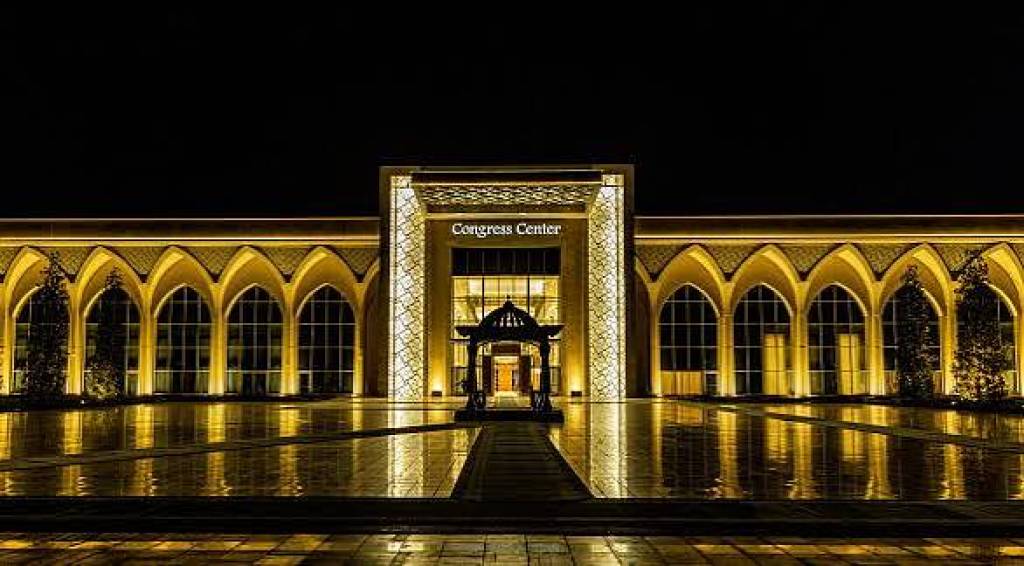
From September 4 to 6, Samarkand will serve as a hub for international parliamentary diplomacy, hosting the 12th IPU Global Conference of Young Parliamentarians.
First, the event’s unprecedented scale is worth highlighting. Expected attendees include representatives from 183 countries, 15 international organizations, approximately 50 permanent observers, and nearly 300 delegates.
The choice to host the conference in Uzbekistan was deliberate and reflects a sustained government policy. The event follows a presidential decree promoting international events in partnership with the Inter-Parliamentary Union.
The program features six thematic sessions addressing urgent issues related to young people’s rights, status, and empowerment today. This overarching theme covers several key areas that are likely to be the main focus of the discussions.
Primarily, the discussions will focus on youth rights as a separate political category. This includes not only social protection but also recognizing young people as active participants in the political process, with the right to shape legislation rather than just being recipients of youth policies. An additional key topic will be the role and status of young parliamentarians within national legislative bodies.
Why Samarkand?
In recent years, the city has increasingly become a hub for prominent international events, including climate forums and cultural heritage conferences.
The city’s symbolic importance is also crucial. As a historic hub on the Great Silk Road, Samarkand naturally serves as a venue for dialogue among diverse nations and political systems. This choice underscores the event’s core message: youth parliamentarism is not just a national initiative but part of a broader tradition of intercultural and international collaboration.
In summary, the 12th IPU Global Conference of Young Parliamentarians in Samarkand is more than just an ordinary forum. For Uzbekistan, it signifies progress in solidifying its position in multilateral diplomacy and demonstrates its capacity to host international events and influence the global youth policy agenda.
Orash Akaboyev, UzA