Measures to expand private-sector participation in vocational education reviewed
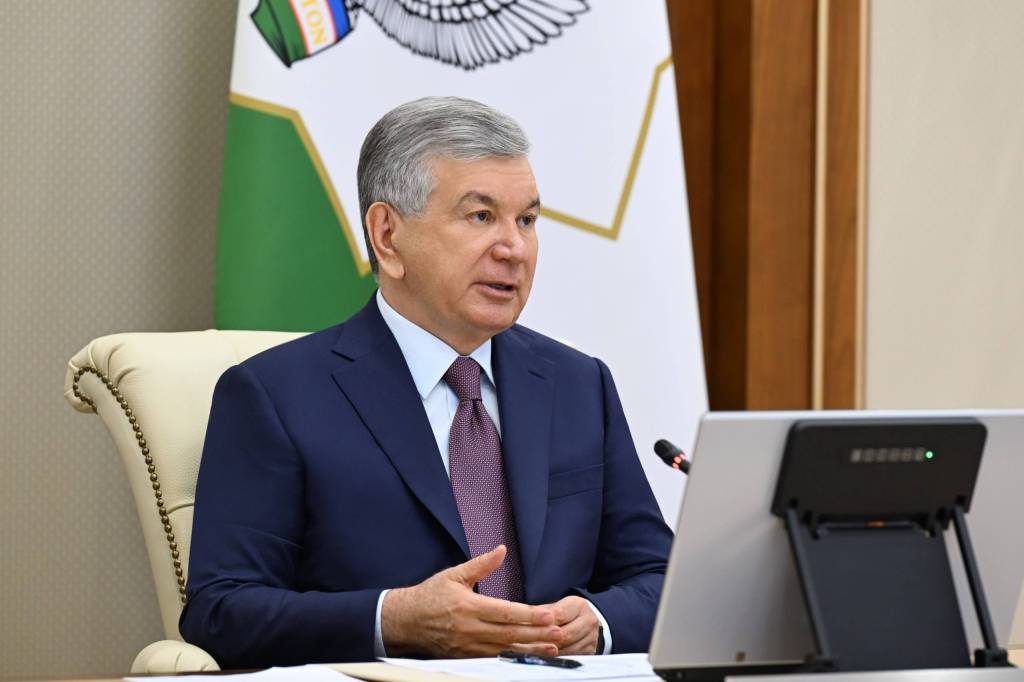
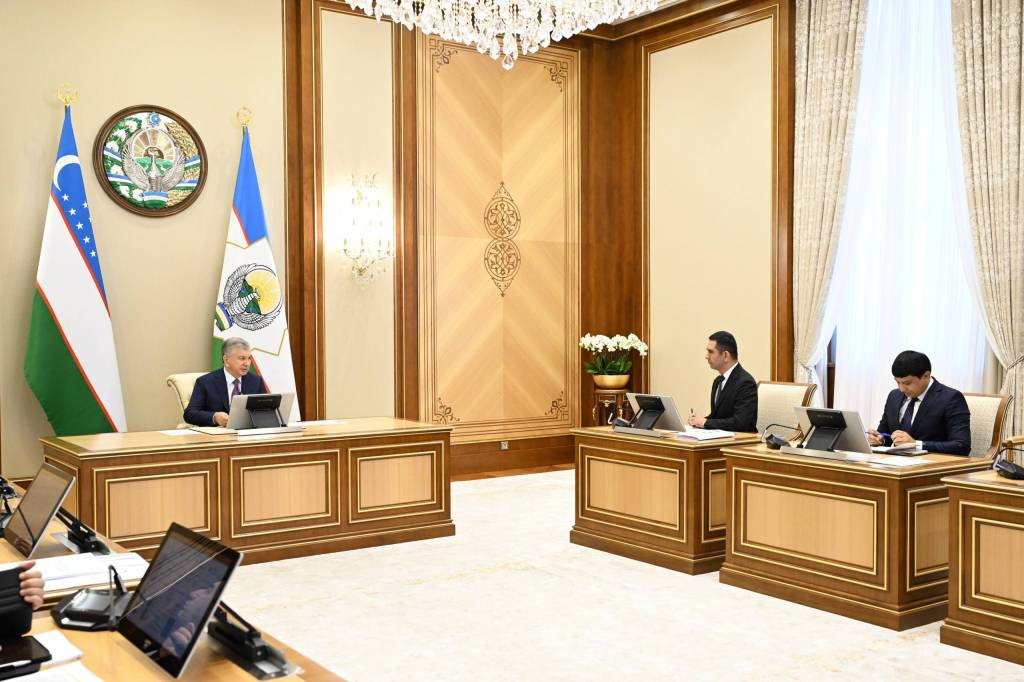
President Shavkat Mirziyoyev reviewed a presentation on measures to develop private vocational education.
Training specialists with up-to-date knowledge and skills across various sectors of the economy, as well as teaching citizens in-demand occupations in the labor market, are important factors in ensuring employment and increasing household incomes.
Therefore, particular attention has been paid in recent years to reforming the vocational education system, adapting curricula to employers’ needs, and expanding private-sector participation.
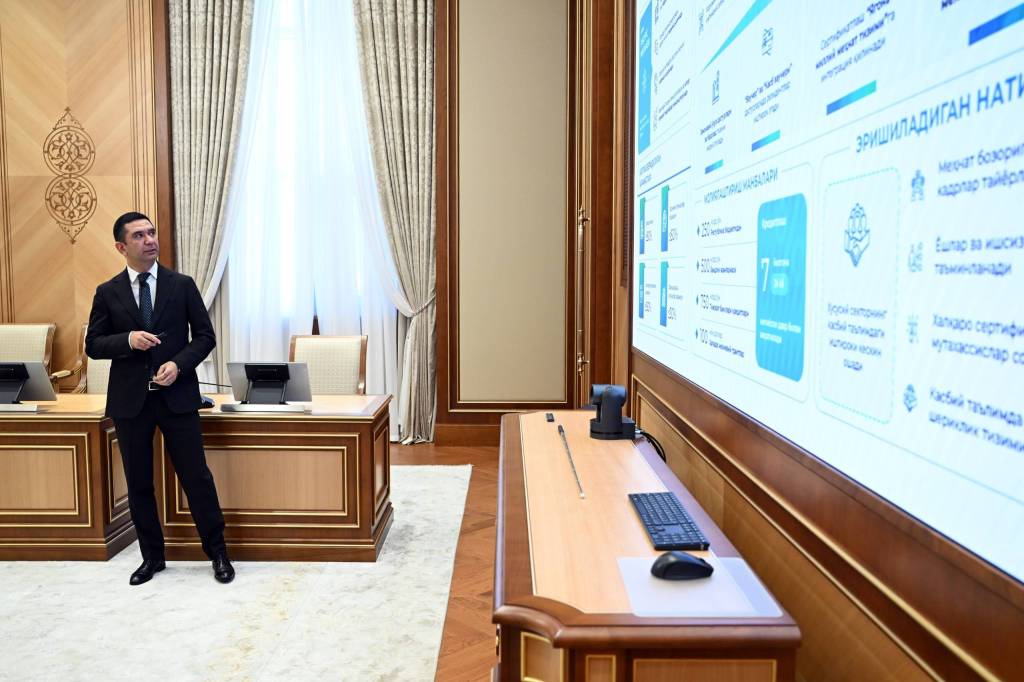
During the presentation, new measures to broaden opportunities for the private sector in providing vocational education services were discussed.
As noted, over the next three years, by increasing the private sector’s share, the number of training and assessment centers established in accordance with international standards is expected to rise from the current 50 to 200, while private vocational education will cover 500,000 people annually. At present, this figure stands at 45,000.
To achieve this, more than 300 curricula will be revised and aligned with international requirements. More than 1,000 teachers and vocational instructors will undergo advanced training. A total of 500 billion UZS from the Employment Fund will be allocated to finance these programs.
Proposals and issues raised during meetings with entrepreneurs were also reviewed at the presentation. During the discussions, entrepreneurs raised matters concerning customs duty and social tax exemptions for private vocational education centers, preferential loans, reimbursement of certain expenses, the construction of external infrastructure for new buildings at the expense of the state budget, as well as the possibility of paying for land plots through interest-free installments and using vacant buildings and premises.
In this regard, it was proposed to exempt private vocational education organizations from customs duties on imported equipment and supplies used in their operations, as well as to set the social tax rate at 1% for foreign teachers, specialists, and vocational instructors.
Loans will also be available for up to 7 years, with a 2-year grace period. It is planned to compensate 7% of the interest rate on loans obtained for the construction and renovation of buildings, as well as for the purchase of necessary equipment.
In addition, the state will reimburse 50% of the costs of engaging foreign specialists and qualified teachers. Reimbursement will also be provided for 30% of the cost of equipment and software used to assess professional skills, and 50% of the expenses incurred in obtaining national and internationally recognized professional qualification certificates.
At the same time, entrepreneurs benefiting from these incentives and support measures will be required to organize vocational training and conduct practical classes on at least 60% of the floor area of the buildings they construct or lease.
Entrepreneurs will be allowed to pay for acquired land plots in interest-free installments for up to five years, lease vacant state-owned facilities for a minimum of five years, and use available premises at technical colleges free of charge.
To support the development of private vocational education organizations, $100 million will be raised by the end of the year to equip them. A $5 million venture fund will be established to support projects developed by graduates. Starting this year, 20 billion UZS will be allocated annually to the “Vocational Training Voucher” program.
The presentation also reviewed plans to establish and finance the Association of Private Vocational Education Organizations and to create a Skills Park ecosystem. It was noted that a permanent digital platform for cooperation with government agencies should be established to address sector issues promptly.
The President approved the proposed measures and issued specific instructions to the officials responsible for developing private vocational education, aligning curricula with international standards, training the population in in-demand occupations, and ensuring the effective use of the opportunities created for entrepreneurs.
UzA