The “Youth of New Uzbekistan 2030” Strategy will be implemented
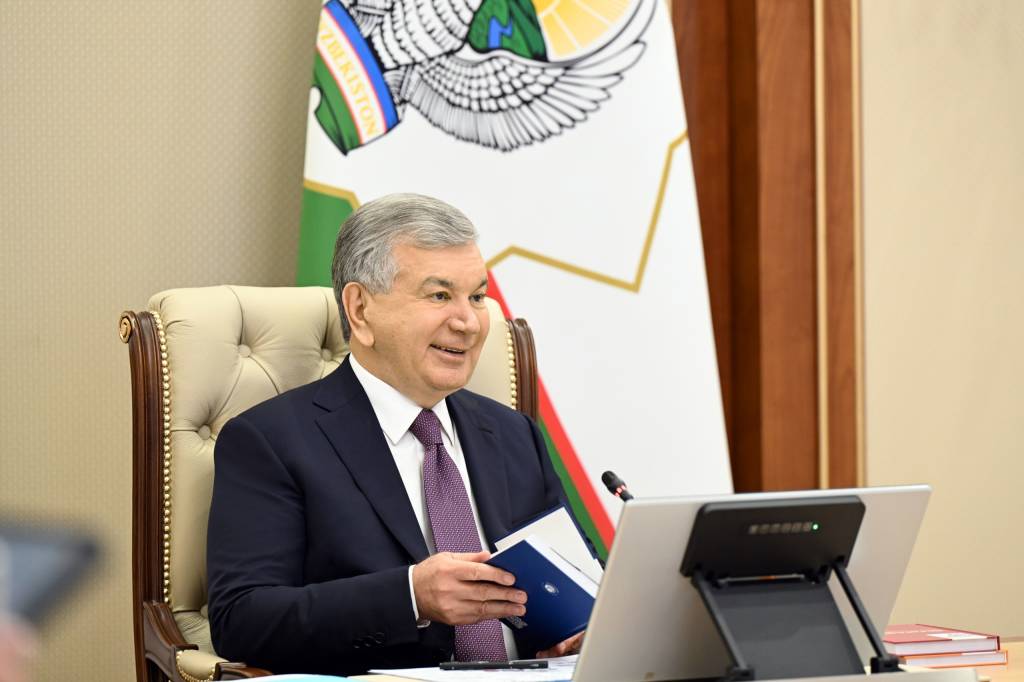
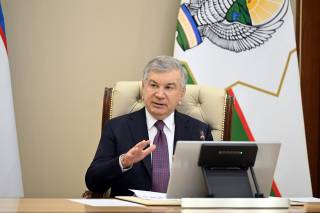
President Shavkat Mirziyoyev reviewed a presentation on the draft strategy “Youth of New Uzbekistan 2030”.
This is the first comprehensive strategy in the country for youth policy, aimed at strengthening the role of young people and realizing their potential in the process of building a New Uzbekistan.
Today, Uzbekistan’s population is 38 million, of which 9.5 million, or nearly 25 percent, are young people aged 14 to 30. Each year, about 270,000 young families are formed in the country. This demographic reality requires a long-term, systematic approach to youth policy.
The strategy identifies several priority areas, including ensuring youth employment and supporting their entrepreneurial activity, developing quality, inclusive education, promoting foreign languages, expanding vocational training, stimulating the labor market, and supporting young families. Particular attention is also given to strengthening cultural, physical, and intellectual development, expanding the volunteer movement, improving youth health, and developing mechanisms for openness and engagement.
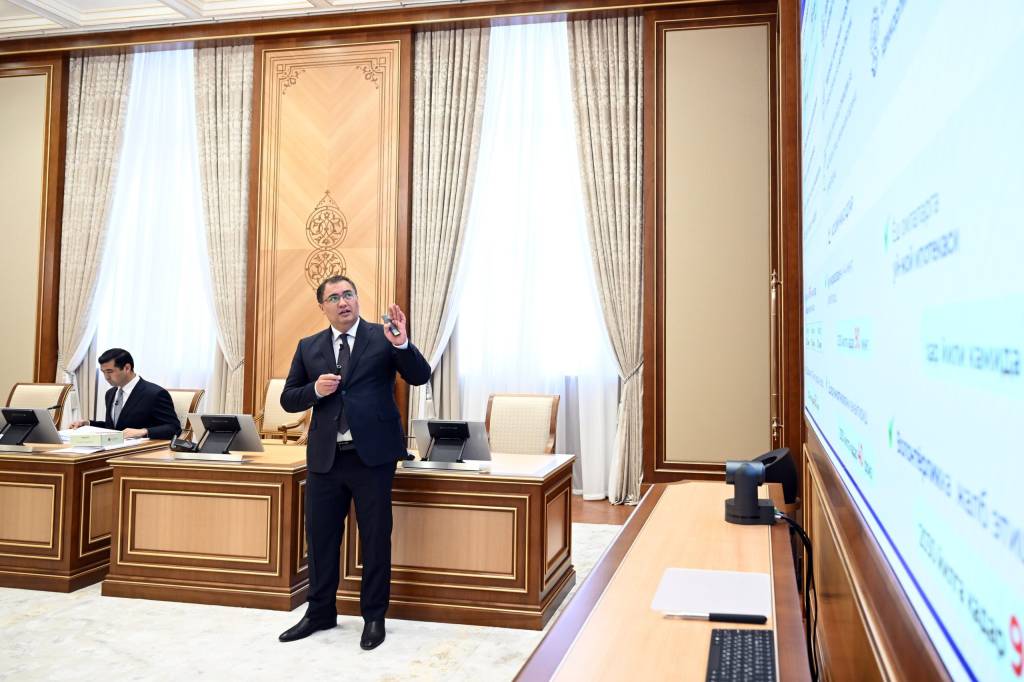
During the presentation, key target indicators to be achieved by 2030 were reviewed. In particular, plans include ensuring employment for 600,000 young people annually, involving 900,000 people in volunteer activities by 2030, increasing the number of training centers to 90,000, raising foreign language proficiency to the B2 level among 450,000 young people, reducing youth crime, and providing mortgage support to at least 10,000 young families each year.
In the field of education, new measures are being introduced to ensure quality education for young people, support non-state educational services, expand opportunities for training centers in remote areas, and encourage the study of foreign languages.
In particular, it is proposed to provide loans of up to 300 million UZS to establish training centers in remote and hard-to-reach areas, and to set the social tax and personal income tax rates for their instructors at 1 percent. In addition, for young people with a B2 level of language proficiency, it is proposed to abolish the state fee for issuing a foreign passport, and for those with a C1 level and for initiators of entrepreneurial projects, to reduce certain state fees by up to 50 percent.
The strategy places special emphasis on supporting young families. Within the framework of the mortgage program, it is planned to compensate part of the interest on loans exceeding the Central Bank’s base rate, thereby providing additional convenience for young families in addressing housing issues.
To enhance youth social activity, plans include allocating grants of up to 100 million UZS from the Volunteer Support Fund, placing active young people in paid internships at government organizations, establishing a Presidential Award for creative youth, and creating “Youth Streets” featuring bookstores and book cafés. In addition, minimum standards for youth infrastructure will be established and pilot implemented in “youth districts and cities” selected in each region.
The strategy also addresses strengthening youth health, reducing risks to psychological well-being, and enhancing the psychological support system. In particular, it aims to reduce the share of young people in the psychological risk group by 40 percent, establish a round-the-clock psychological assistance center, and increase the proportion of youth regularly engaged in sports by 25 percent.
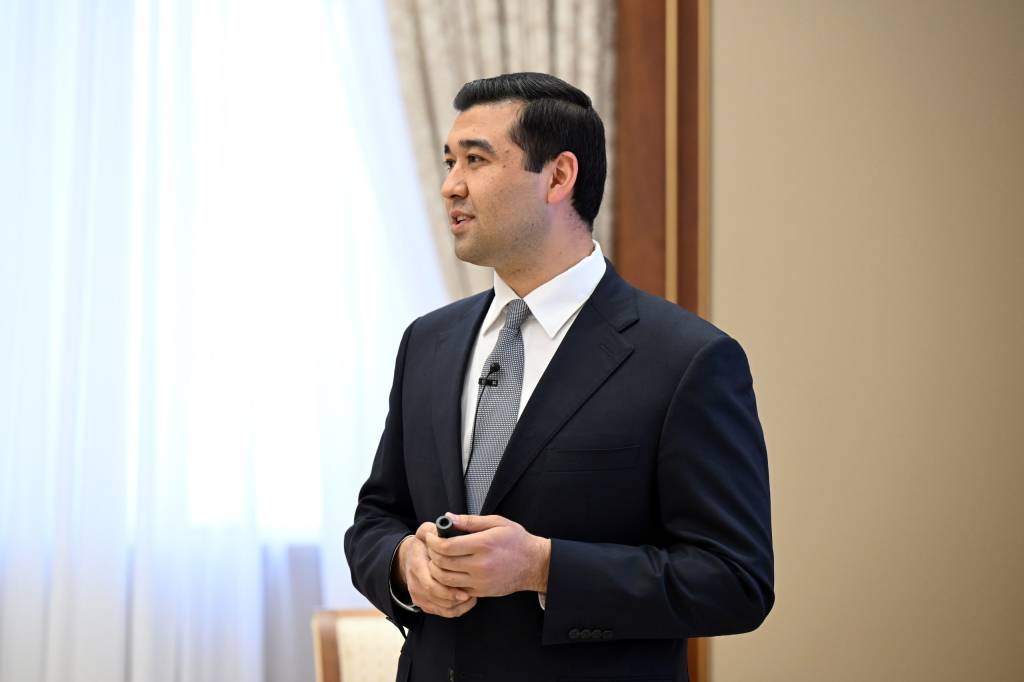
To strengthen the system of open dialogue and objective analysis in youth policy, the Institute for the Study of Youth Problems and Training Prospective Personnel will conduct sociological surveys on the needs and expectations of young people, which will form the basis for the National Youth Index. Special attention will be given to handling youth appeals. Meetings and dialogue with young people will be held every Thursday.
The development of international cooperation is also identified as an important direction of the strategy.
For these purposes, it is planned to launch international forums, global initiatives, a dialogue of generations, an International Youth Congress, and other formats, as well as to hold major events within the framework of August 12 – International Youth Day. It is envisaged to ensure the participation of 100,000 young men and women from Uzbekistan in international programs. In addition, in cooperation with organizations such as the United Nations, the World Bank, and the European Bank for Reconstruction and Development, internships in international organizations are planned to be organized under the “Junior Professional Officer” program.
As part of the strategy’s implementation, 56 projects are planned across 7 areas in 2026-2027. In particular, under the “New Generation Entrepreneurs” program, 20,000 young people are planned to be trained in cooperation with prestigious educational institutions such as Harvard University, Stanford University, Massachusetts Institute of Technology, and London Business School. 1,000 business projects will be selected, and loans for their implementation will be provided for up to 3 years, with amounts of up to 500 base calculation units. A procedure for partial compensation of young entrepreneurs’ costs for connection to engineering networks will also be introduced.
Across the country, events such as the “Uzbekistan Loves Youth!” project, the “Hayot Fest” and “Talaba Fest” youth festivals, and the “Talaba Expo 2026” exhibition will be held. In addition, support will be provided for the Robotics Association’s activities.
The Head of State emphasized that all initiatives and measures related to youth issues must, first and foremost, serve the upbringing of an educated, healthy, proactive, and patriotic young generation, and ensure its worthy place in life. Relevant instructions have been given to responsible officials to ensure the effective implementation of the strategy.
UzA