Migration is not just relocation – it is about human capital, the economy, and a secure future

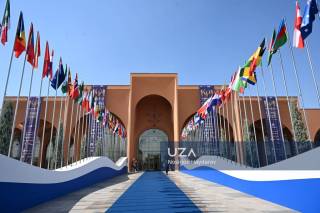
On May 18-19, 2026, Tashkent will host the International Migration Forum, dedicated to the social and legal protection of labor migrants and their family members. More than 300 representatives from international organizations, government agencies, business circles, and the expert community are expected to participate in the event, which is recognized as a major international platform.

The forum is being organized by the Migration Agency under the Cabinet of Ministers of the Republic of Uzbekistan in cooperation with the International Organization for Migration (IOM). The program will include discussions on pressing issues such as labor migration, training qualified personnel, gender issues, youth participation, and the impact of climate change on migration. B2B, B2G, and G2G meetings, as well as the signing of new cooperation agreements, are also planned.
Today, migration is recognized not only as an economic process but also as a global issue closely linked to human dignity, labor rights, and sustainable development. Ahead of the event, IOM experts shared their views on labor migration, remittances, safe labor corridors, and human rights.
Remittances are a lifeline connecting families and the economy

According to Vivianne Van der Vorst, Senior Regional Project Manager at IOM, the key link between migration and development is remittances. She noted that funds sent by labor migrants are an important financial resource that flows directly from foreign labor markets to families, local economies, and communities.
The expert noted that global remittances are among the strongest links between migration and development. These funds reach families faster and more consistently than external financial assistance. It is important to view migration not only as the movement of people but also as a mechanism for development. Migration is integral to both international and local development. If this process is properly managed, it creates new opportunities for migrants and their families, meets labor market needs in receiving countries, and supports communities in countries of origin.
The official also focused on Uzbekistan, noting that remittances have become an important part of the country’s economy. At the national level, remittances account for approximately 14 percent of gross domestic product. These funds, which are significant for Uzbekistan’s economy, support domestic demand, stimulate local business activity, and ease pressure on the labor market. At the same time, for many Uzbek families, remittances are not merely additional income but an important part of their regular household budget, helping cover daily needs, education, housing, debt repayment, and investment in their children’s future.
Safe migration requires an evidence-based approach

Timofte Ionela, Regional Coordination Officer at the International Organization for Migration, emphasized that ensuring safe and orderly migration first requires clear analysis and a needs-based approach.
In her view, the process for creating new labor corridors or expanding existing ones should be based on labor market analysis, migration trends, and potential risks.
Migration policy should respond to real needs, be sustainable, and produce equally beneficial outcomes for migrants, countries of origin, and receiving countries. Most importantly, the system must serve human interests. Human rights and protection mechanisms should be at the center of all stages of migration, including preparation, employment, return, and reintegration. This reduces the risk of exploitation and enables people to move safely and decently, based on informed choice.
The expert stressed that cooperation among countries is also crucial. Safe and orderly migration cannot function effectively without cooperation among the government, the private sector, civil society, and international organizations.
Human capital is the central issue in labor migration

Jason Theede, IOM Regional Thematic Specialist, emphasized that the labor migration system must adapt to the needs of the modern labor market.
He noted that labor corridors should be shaped by workforce needs in receiving countries and by skills capacity in countries of origin.
An evidence-based approach helps identify the labor market’s real needs and reduce skills mismatches. Recognition of qualifications and diplomas is also a decisive factor in labor mobility. Cooperation among the education system, employers, and qualification recognition mechanisms needs strengthening. This will significantly facilitate recruitment and labor mobility.
According to the specialist, labor migration is not only about employment but also part of the process of integrating a person into society.
Creating opportunities for language learning, workplace adaptation, and further professional growth ensures long-term stability for both the employee and the system.
The international forum to be held in Tashkent is significant because it aims to discuss these pressing issues at the global level, improve mechanisms for safe and legal migration, and ensure the priority of human interests.
Musulmon Ziyo, UzA