Measures outlined to expand industrialized intensive orchards
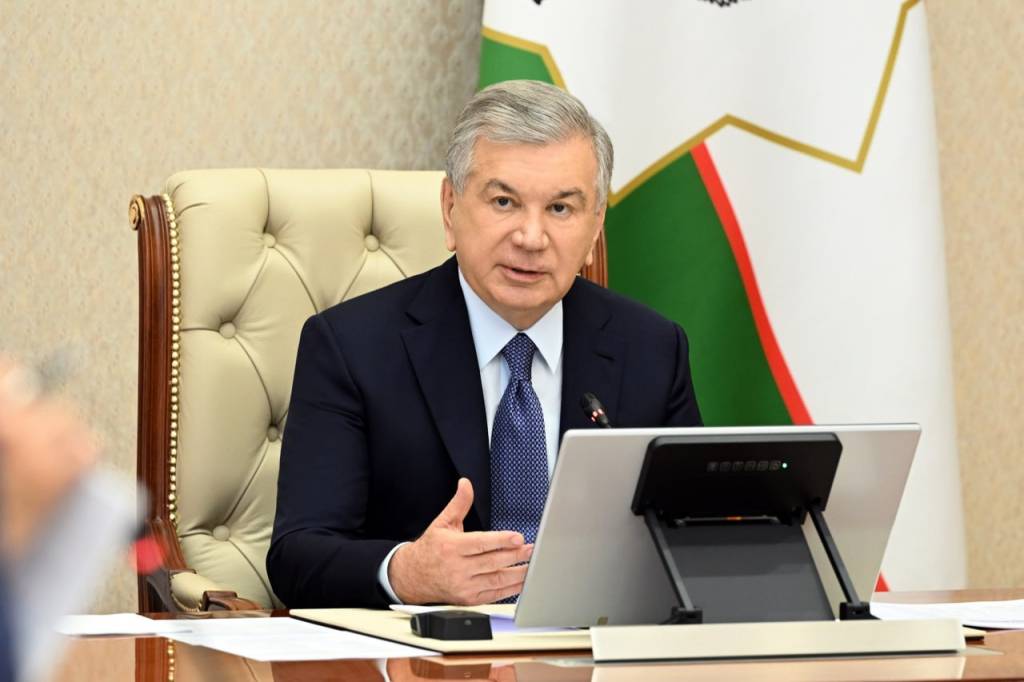
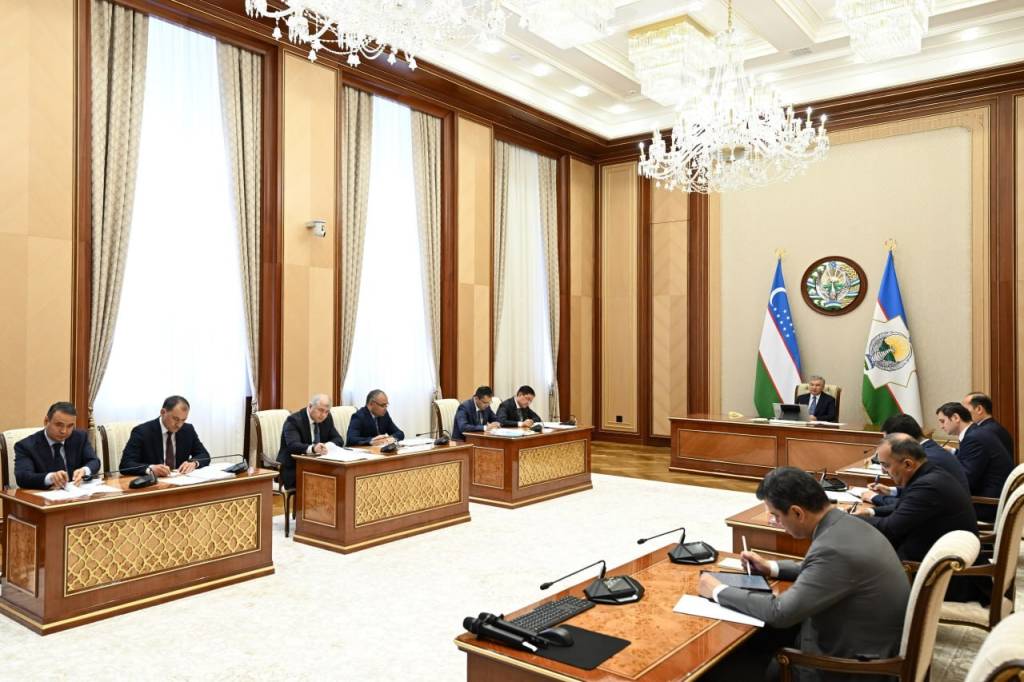
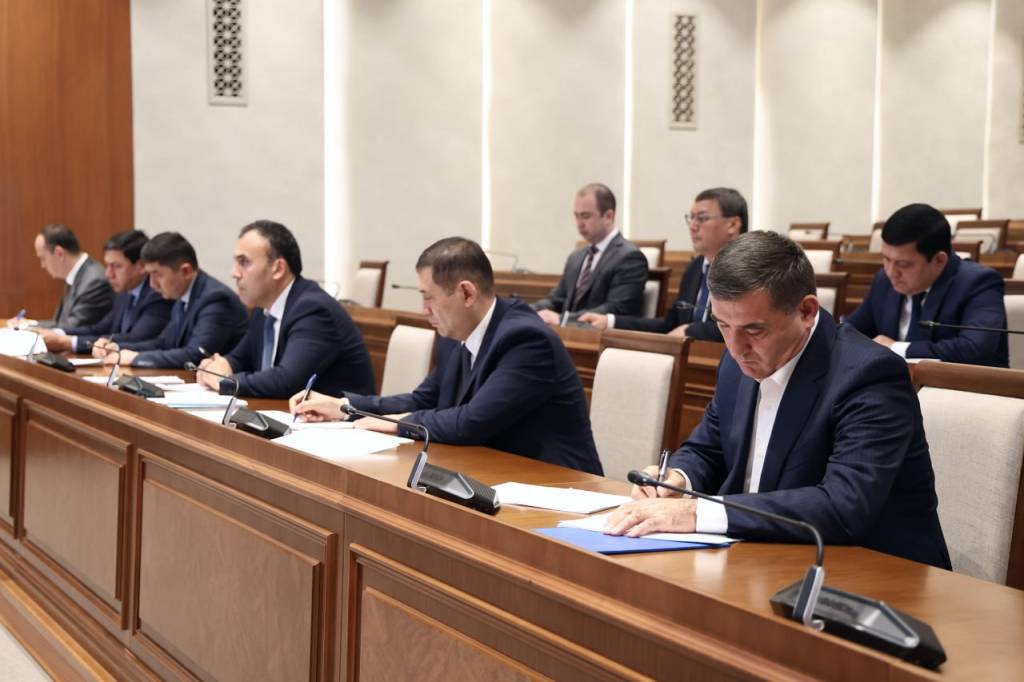
President Shavkat Mirziyoyev chaired a meeting on measures to expand industrialized intensive orchards across the regions.
Uzbekistan is consistently implementing measures to develop fruit and vegetable cultivation, expand the production of export-oriented products, and increase rural incomes. Today, the country has 572,600 hectares of orchards and vineyards, generating annual exports worth $1 billion and providing income for 882,000 people.
It was emphasized that, amid limited land and water resources, sector growth should be ensured not only by expanding cultivated areas but also by increasing yields and profitability per hectare. Uzbekistan aims to raise food exports to $10 billion by 2030, with the expansion of intensive industrialized horticulture expected to become an important factor in achieving this goal.
The meeting reviewed the condition of existing orchards and vineyards. Currently, 61,000 hectares of outdated orchards and 18,000 hectares of low-yielding plantations require renewal. In some regions, such areas yield only about 5 tons per hectare, and the annual income they generate does not exceed 10 million UZS.
For example, the Pap district has 1,200 hectares of old and unproductive orchards. If export-oriented varieties are planted in these areas and agri-logistics centers for drying, sorting, and packaging are established, yields and profitability could be increased severalfold. The practical effectiveness of intensive horticulture is also demonstrated by the experience of establishing an 84-hectare export-oriented cherry orchard in the district. Even young trees that have not yet reached full fruit-bearing capacity yield up to 7 tons per hectare, and one kilogram of produce is exported at $8.
In this context, it was proposed to introduce a new procedure for managing old and unsuitable orchards. The Agro-Industrial Development Agency will be authorized to issue conclusions declaring orchards and vineyards unsuitable, establishing industrialized orchards in their place, or reclassifying such areas as arable land. If an industrialized orchard is not established on such plots within 12 months, it was proposed to increase land and water tax rates, while continued noncompliance for another 12 months could result in restrictions on water use.
The President also stressed the need to digitalize oversight over the effective use of land resources. Instructions were issued to implement an information system using satellite imagery to monitor the condition of both outdated and newly established industrial orchards.
It was also noted that projects aimed at renewing old orchards on household plots and farms should not be overlooked. In this regard, it was proposed to provide households with up to 50 seedlings or loans of up to 2 million UZS through mahalla bankers, while farms may receive loans of up to 150 million UZS for orchard renewal projects.
Over the next two years, it is planned to establish 168,000 hectares of industrialized orchards and vineyards. This is expected to attract $2 billion in investment and create 258,000 jobs.
To finance and provide practical assistance for such projects, nine commercial banks will be assigned to the regions. Along with handing over ready-to-operate industrialized orchards to entrepreneurs, the banks will provide agrotechnical, financial, and organizational guidance for the projects over two years.
A decision was made at the meeting to introduce a separate system to support entrepreneurs seeking to establish intensive orchards. As part of this, Agrostar companies in the regions will cooperate with entrepreneurs on an equity basis. Agrostar’s share in the authorized capital may amount to up to 50 percent through cash contributions, while the entrepreneur’s share will be formed through land lease rights.
Entrepreneurs will be granted the right to gradually buy out Agrostar’s share over seven years without any revaluation of its value. The system also creates incentives for owners of old orchards, allowing them to gradually repurchase their share using income generated by the renewed orchards and subsequently become sole owners.
To implement such projects, banks will provide loans of up to 120 million UZS per hectare for 7 years, including a 3-year grace period, at an annual interest rate of 10 percent. If repayments are made on time, half of the interest costs will be compensated. In addition, subsidies of 5 million UZS per hectare will be allocated over three years to help cover the maintenance costs of industrialized orchards.
Entrepreneurs will also be able to use Islamic financing instruments to acquire water-saving technologies, fruit seedlings, and agricultural machinery.
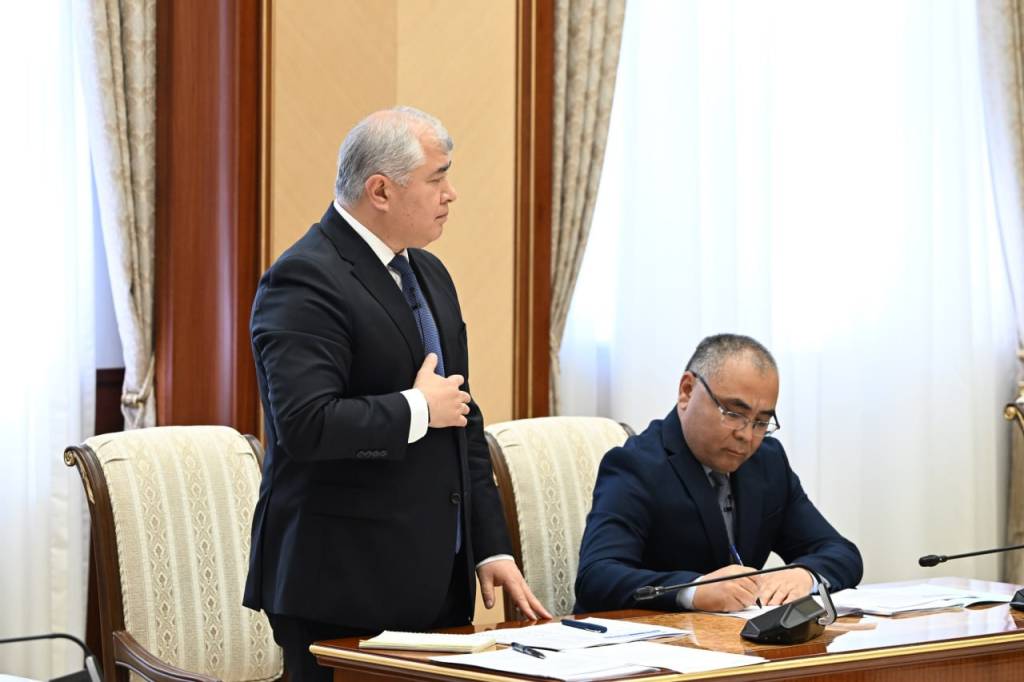
The President also heard the views and proposals of entrepreneurs who spoke at the meeting. Their proposals to introduce a zero VAT rate on grown and imported fruit seedlings and rootstocks, and to set the fee for water drawn from wells at 1 UZS for five years in orchards equipped with water-saving technologies, were approved.
Responsible officials were instructed to renew old and inefficient orchards, develop targeted projects to establish industrialized orchards, systematically strengthen cooperation among banks, hokimiyats, and entrepreneurs, and expand export-oriented varieties, agri-logistics, and processing capacities in each region.
UzA