A reminder of the importance of independent thinking
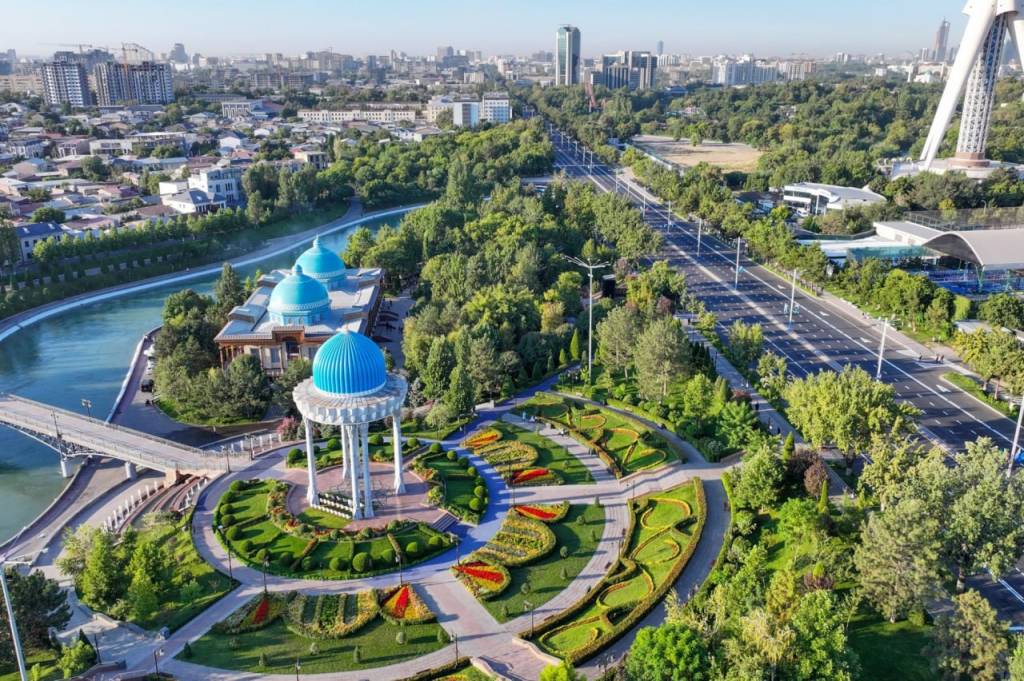
August 31 marks the Day of Remembrance for Victims of Repression.
This day commemorates the tragic past, urging us to reflect on historical lessons and honor those who sacrificed their lives for our Motherland and its people.
The Jadids faced repression due to policies by the totalitarian regime, aimed against national revival and free thought.
Jadidism was a social and educational movement advocating for national development, fostering cultural and ethnic identity, establishing a modern statehood system, and pursuing independence.

Leaders such as Mahmudkhodja Behbudi, Munavvarqori Abdurashidkhanov, and Abdurauf Fitrat envisioned Turkestan transforming into a modern and enlightened region capable of shaping its own destiny. However, the totalitarian Soviet regime perceived the growth of national consciousness and independent thinking as a considerable threat.
The totalitarian regime aimed to dominate the people and suppress free thought by initially trying to control the intelligentsia. Since the Jadids symbolized the nation’s intellectual elite and embodied its political, scientific, and cultural potential, they became a primary target.
The suppression of prominent figures like Chulpon, Abdulla Qodiriy, Fayzulla Khujayev, and others greatly undermined the nation’s consciousness and cultural vitality.
Soviet ideology depicted the Jadids’ goals of shaping national identity, developing the native language, restoring historical memory, and implementing social reforms as driven by false political charges like “bourgeois nationalism” and “counterrevolutionary activity”. Consequently, many Jadid leaders faced repression, imprisonment, and execution during the 1930s.
The Jadid press served a crucial role not just in spreading information but also as a platform for forging national identity and advancing enlightenment ideals. Through their print publications, the Jadids explicitly addressed urgent social issues and aimed to reshape the people’s worldview.

A key lesson modern media can learn from the Jadids’ experience is that journalism should do more than report events. It should also promote public discussion, highlight critical issues, identify urgent problems, and consider people’s perspectives.
Today’s information environment is fundamentally different from the Jadids’ era. Beyond newspapers and magazines, online outlets, social media, multimedia, and digital platforms have greatly broadened journalism’s scope. Nonetheless, the core standard of quality journalism persists: the power of words to impact individuals and society by driving positive change.
Modern journalism can embody three key qualities drawn from the Jadids: courage to speak truth, dedication to the people’s interests, and responsibility for promoting knowledge and enlightenment.
The Jadids turned the press into a vital tool for influencing public opinion, shaping the population’s worldview, and fostering societal readiness for national independence.
Using newspapers and magazines like Sadoi Turkiston, Sadoi Fargona, and Oyna, they encouraged people to understand their rights, gain modern knowledge, and engage with societal transformations. They also used the press to oppose religious fanaticism, prejudice, and superstition.
Newspapers extensively covered topics such as Turkestan’s unity, native language, and national values. This coverage helped build a sense of national identity and increased political and social involvement among the people.
Over the years of independence, there have been notable shifts in how the Jadid legacy is understood and portrayed. Their contributions are now evaluated within the framework of national history and supported by scholarly research. Recently, this area of study has broadened significantly, incorporating archival research, initiatives to recover and restore the names of victims of repression, and the development of publications and online platforms dedicated to highlighting the Jadid legacy.
Public discussion now encompasses not only the Jadids’ educational efforts but also their engagement in the political processes of the Turkestan Autonomy and the Bukharan People’s Soviet Republic. It includes their perspectives on statehood and their proposals for societal reform. Podcasts, videos, and online publications are helping to make the history of Jadidism accessible to a wider audience.
The history of the Jadids vividly illustrates the difficult challenges our people faced in their journey toward intellectual freedom, national awareness, and growth. Their legacy is not only historically important but also crucial in forming national consciousness.
Today, by objectively examining the lives and works of the Jadids and sharing their writings with a broader audience, we are not only restoring historical justice but also imparting a vital lesson to the younger generation: that freedom of thought is crucial for a nation’s development.
The most significant legacy of the Jadids is not just their books and publications, but primarily their cultivation of critical thinking, curiosity, the pursuit of truth, and a sense of responsibility for the Motherland’s future. Upholding and transmitting these values demonstrates respect for our history and a duty towards future generations.
Nazokat Usmanova, UzA