
From the history of the exhibits
The Tashkent History Museum provides detailed information about the capital’s past, called Chach, Shash in the past. The museum houses archaeological objects dating back to different periods of the city’s history.
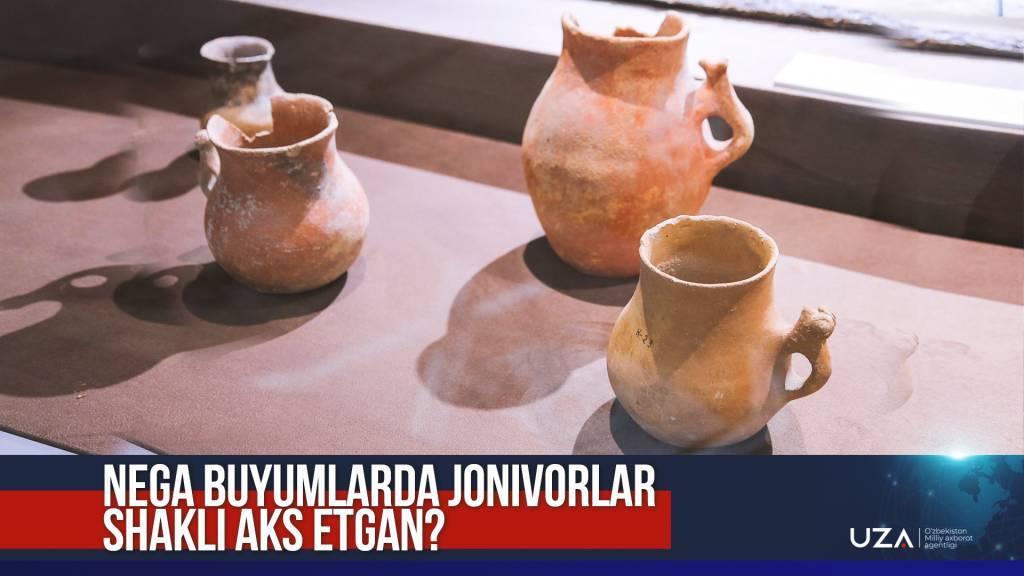
The exhibition includes ceramic products with images of animals. Interestingly, the handles of these vessels are made in the form of figures of some animals.
“The history of our capital is fascinating”, says Feruza Rasulova, Senior Specialist at the Tashkent History Museum. “In different eras, certain events took place on the city’s territory, handicrafts developed, and craftsmen manufactured all kinds of objects. Our exposition features ceramic products dating back to the Bronze Age, the XII-VI centuries BC. During this period, people began to lead a sedentary lifestyle and began to engage in farming and handicrafts in the territory of Tashkent. Pottery also developed. The handles of ceramic items discovered in the Qovunchi area near the city of Yangiyul are made in the form of figurines of mountain goats and rams”.
In ancient times, every nation had its own sacred animals. For example, in India, cows, monkeys, and snakes are still revered to this day. In those distant times, the residents of Tashkent city deified rams and mountain goats. These animals were found in the mountains. People ate their meat and made clothes from their skins. Therefore, they were perceived as a symbol of life and were deified.
The images of animals depicted in the exhibits give us an idea of the people’s love for art, which dates back to ancient times. These items were discovered during archaeological excavations and greatly interest museum visitors.
Mukhtarama Komilova, UzA