
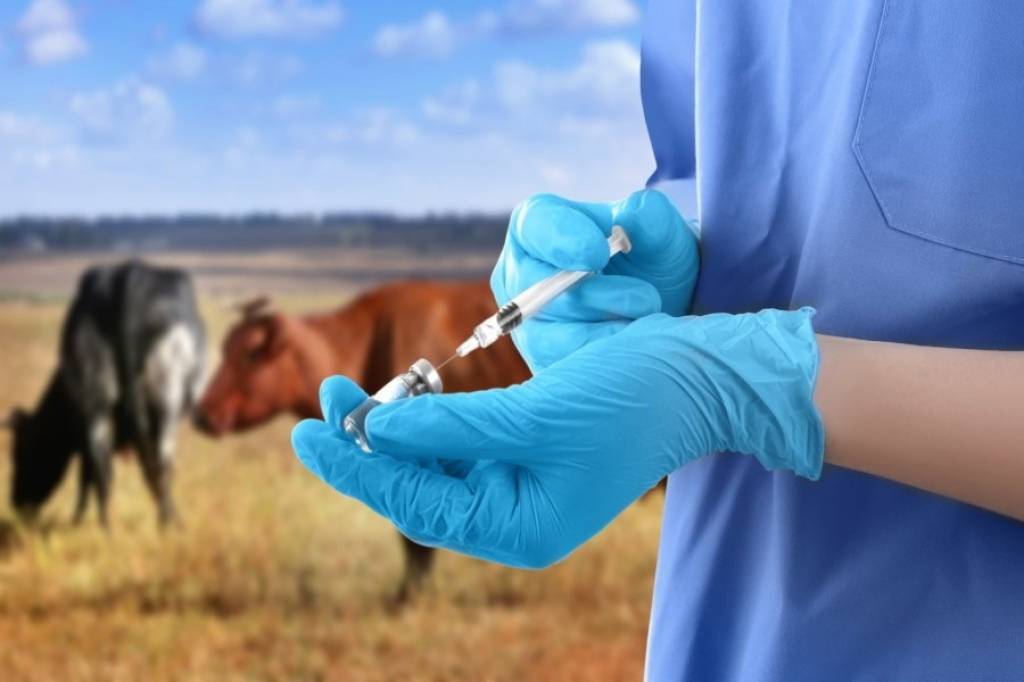
Climate change poses a threat not only to human life, but also to wildlife. Viruses that appear under new names lead to a reduction in the number of animals and plants.
Currently, the veterinary service is a significant component of agriculture in all regions of Uzbekistan. Due to the professionalism and attention of specialists in this industry, it is possible to develop animal husbandry and provide the population with high-quality meat products.
Seven years ago, the Samarkand Institute of Veterinary Medicine, along with its branches in Tashkent and Nukus, was established. Later, the institute was reorganized into the Samarkand State University of Veterinary Medicine, Animal Husbandry and Biotechnology.
Grant funds from the World Bank, the Islamic Development Bank, and the Asian Development Bank were attracted to the university, enabling it to strengthen its material and technical base. Students are taught by about 50 foreign and about 400 local faculty professors. In addition to providing veterinary services, the university’s veterinary clinic conducts scientific research by young scientists. As a result, the scientific potential of the educational institution is 55% as of 2025.
The university has established partnerships with nearly 90 of the world’s most prestigious higher education institutions. A personnel training system based on joint educational programs with scientific institutions in the relevant industries of Belarus, Latvia, Poland, Türkiye, and Kyrgyzstan has been established.
The Samarkand State University of Veterinary Medicine, Animal Husbandry and Biotechnology has become a member of the European Association of Establishments for Veterinary Education. Another essential point: students who have graduated from the university and its branches work as veterinarians on livestock farms in Denmark, Sweden, and Germany.
UzA