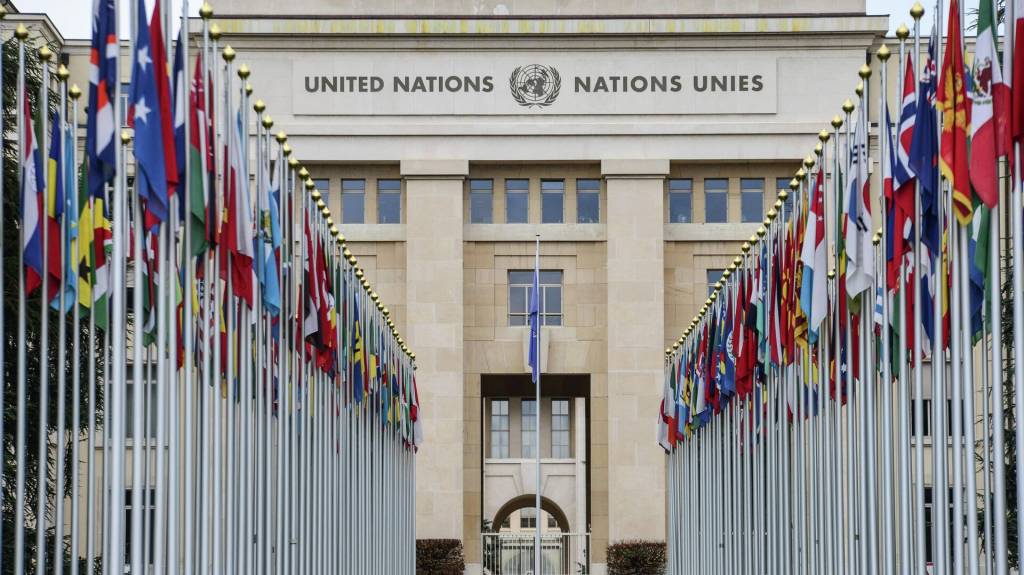
The Republic of Uzbekistan has demonstrated significant progress on the international stage, strengthening its active participation in the United Nations (UN) and its specialized agencies.
In 2024, the country reached several key milestones that highlight its commitment to universal principles and standards in human rights, socio-economic development, labor, and global cooperation.
These achievements reflect the consistent implementation of comprehensive reforms to integrate the country into international institutions and develop solutions to pressing global challenges.
One of Uzbekistan’s most significant achievements was the election of its representative to the UN Human Rights Committee (HRC) for the 2025-2028 term. This milestone underscores the country’s strengthened position within the international human rights mechanisms. As a highly respected treaty body, the HRC monitors state parties’ compliance with their obligations under the International Covenant on Civil and Political Rights, which Uzbekistan acceded to in 1995. This step highlights progress in ensuring and protecting human rights and demonstrates Uzbekistan’s readiness to actively participate in shaping and refining global standards in this area. The participation of the country’s representative in the HRC opens up extensive opportunities for sharing best practices, enhancing international cooperation, and contributing to the development of fair and practical approaches to safeguarding human rights and freedoms on a global scale.
Another significant milestone was the election of an Uzbek specialist as Deputy Member of the Governing Body of the International Labour Organization (ILO) for the 2024-2027 term. This achievement underscores the country’s commitment to developing labor relations in line with international standards. During the elections held in Geneva, Uzbekistan secured 194 votes, significantly exceeding the minimum required threshold. This result reflects international partners’ high regard for Uzbekistan’s efforts to create fair working conditions. Membership in the Governing Body provides Uzbekistan with opportunities for active participation in the development of global initiatives to promote decent work and sustainable labor practices. It also facilitates the exchange of best practices with other countries, strengthening international cooperation in labor relations.
The election of the Republic of Uzbekistan to the UN Economic and Social Council (ECOSOC) for the 2024-2027 term marks a significant step in strengthening the country’s international role and recognition of its efforts on the global stage. Notably, Uzbekistan received 185 votes in support of its candidacy, far exceeding the minimum required threshold. This milestone signals the international community’s trust in the country’s reforms in socio-economic development, stability, and sustainability. Membership in ECOSOC provides Uzbekistan with a unique opportunity to represent its interests and actively contribute to shaping international policies to address pressing global challenges. As a member, Uzbekistan will play a key role in developing strategies to achieve the Sustainable Development Goals (SDGs), encompassing economic, social, and environmental dimensions. The country will also gain a platform to participate in discussions and decisions on innovative approaches to sustainable economic growth, social justice, and environmental protection. Furthermore, this membership enables Uzbekistan to exchange experiences and best practices in addressing global issues, such as poverty reduction, inequality mitigation, and combating climate change.
In 2024, Uzbekistan played a pivotal role in initiating and adopting several significant resolutions of the UN General Assembly, each reflecting the strategic focus of the country’s foreign policy and exerting a substantial impact on regional and international cooperation. One such initiative was the resolution on combating illicit drug trafficking, adopted on June 4, 2024. This document emphasizes the necessity of coordinated efforts among Central Asian countries to effectively counter the spread of drugs, which is directly linked to ensuring regional security and sustainable development. The resolution is based on the conceptual framework of the National Strategy for Combating Drug Addiction and Drug-Related Crime in the Republic of Uzbekistan for 2024-2028, highlighting a systematic and long-term approach to addressing the issue. In this context, the resolution also underscores the importance of united efforts to achieve the Sustainable Development Goals (SDGs), further solidifying Uzbekistan’s position as an active participant in international mechanisms for addressing global threats.
Another significant initiative was adopting a resolution on sustainable forest management on August 13, 2024. This resolution highlights the need to restore degraded lands through large-scale tree planting, develop long-term strategies for the care of green spaces, and strengthen international cooperation in ecology. The project, supported by 102 UN member states, underscores its importance in addressing global environmental challenges, including combating desertification and climate change. In this context, Uzbekistan emerges as a proponent of sustainable ecological practices, offering concrete measures to restore natural resources and ensure long-term preservation. The initiative emphasizes the importance of a comprehensive approach to environmental protection, where international collaboration is vital for the successful implementation of this agenda.
The resolution to declare June 10 as the International Day for Dialogue among Civilizations, proposed by Uzbekistan in collaboration with China, plays a vital role in fostering global dialogue and mutual understanding among peoples of diverse cultures. This initiative aims to strengthen tolerance in a globalized world where cultural diversity and differences between civilizations can be sources of tension and mutual enrichment. Recognizing the importance of these principles, Uzbekistan actively supports initiatives that promote constructive dialogue and cooperation among nations, regions, and cultures.
The proclamation of the International Day for Dialogue among Civilizations also reflects Uzbekistan’s commitment to addressing pressing global issues such as the rise of intolerance, extremism, and conflicts driven by cultural and religious differences. This day embodies a dedication to uniting efforts to promote peaceful coexistence, respect for human rights, and sustainable development. Establishing a platform for regular communication and interaction among civilizations will facilitate the exchange of experiences in education, culture, and social integration. Thus, Uzbekistan’s initiative to establish the International Day for Dialogue among Civilizations carries both symbolic and practical significance, contributing to strengthening peace and stability on the international stage.
The resolutions initiated by Uzbekistan reflect the strategic direction of its state policy, aimed at addressing the most pressing global and regional challenges while advancing the principles of sustainable development, international cooperation, and global security.
Most importantly, the country’s achievements within the UN framework result from systematic reforms focused on improving the quality of life for its citizens, protecting human rights, strengthening institutional and economic resilience, and preserving the environment. The consistent implementation of these initiatives bolsters Uzbekistan’s position on the international stage and significantly contributes to solving global issues. This underscores the nation’s commitment to multilateral engagement and international collaboration.
Abbosbek Nabiyev
Chief Specialist at the NCHR International Cooperation Department