
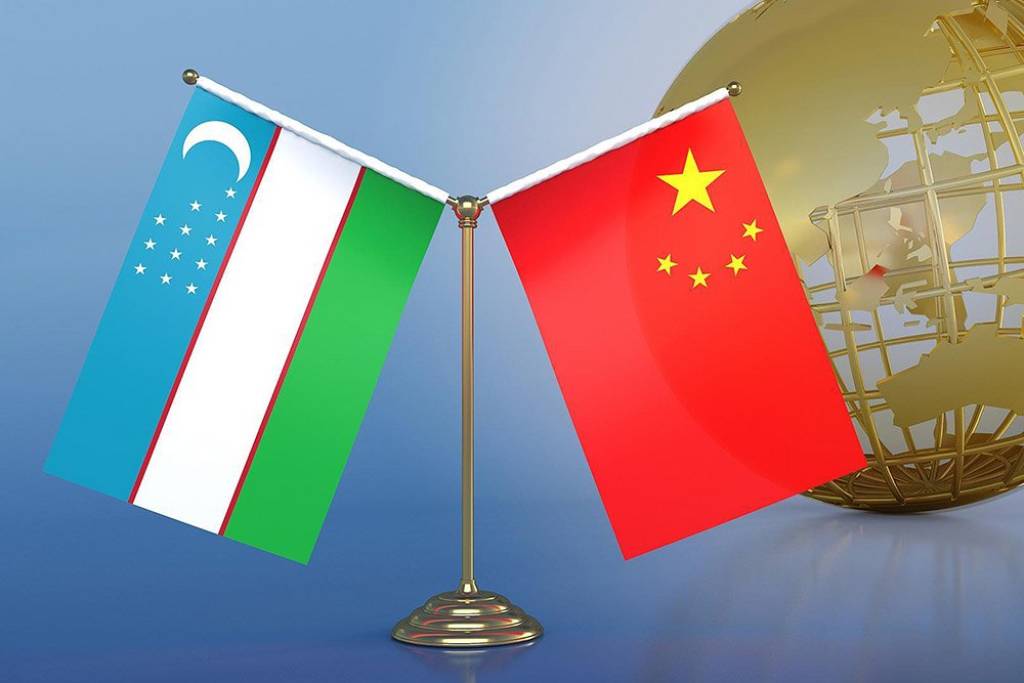
In the era of globalization and increased international cooperation, Uzbekistan and China demonstrate the beginning of a new stage in the historical development of bilateral relations.
The Belt and Road Project proposed by China has become a symbol not only of the economic revival of the Silk Road, but also of a new level of diplomatic and cultural ties between the countries.
Let’s consider the current state and prospects for developing cooperation between Uzbekistan and China, emphasizing the key aspects of economic growth and the expansion of investment projects.
Occupying a strategically advantageous position, Uzbekistan attracts the attention of Chinese investors who aim to implement more than 300 projects in energy, transport, and agriculture in 2024. With an increase in the number of Chinese companies, the trade turnover between the states has reached a record high.
The visit of the President of Uzbekistan to China in January this year, during which agreements worth $25 billion were signed on green energy and transport infrastructure, underscores the desire of the countries to deepen mutually beneficial partnerships.
The transport-logistics system, especially in the context of the development of multimodal transport along China – Kyrgyzstan – Uzbekistan route, is another important aspect of bilateral relations. Signing a Memorandum of Cooperation between Temiryulcargo and Jiayou International opens up new opportunities for expanding trade and logistics. Thus, by the end of 2023, the volume of foreign trade turnover between the countries has increased significantly, and export-import indicators also demonstrate steady growth.
At the same time, partnership with China in ecology and combating climate change is becoming particularly relevant, especially within international platforms such as the Shanghai Cooperation Organization (SCO) and the Global Snow Leopard and Ecosystem Protection Program (GSLEP). Projects to increase the area of forests and introduce environmentally friendly technologies, for example, the use of electric vehicles for garbage collection, the construction of solar and wind power plants with a capacity of 9 gigawatts emphasize the desire of both countries for environmental sustainability.
In general, cooperation between Uzbekistan and China within the framework of the Belt and Road Project is an example of how historical ties and modern strategic initiatives can be combined to achieve mutually beneficial results, opening up new horizons for both countries and the Central Asian region.
Abduaziz Khidirov, UzA