
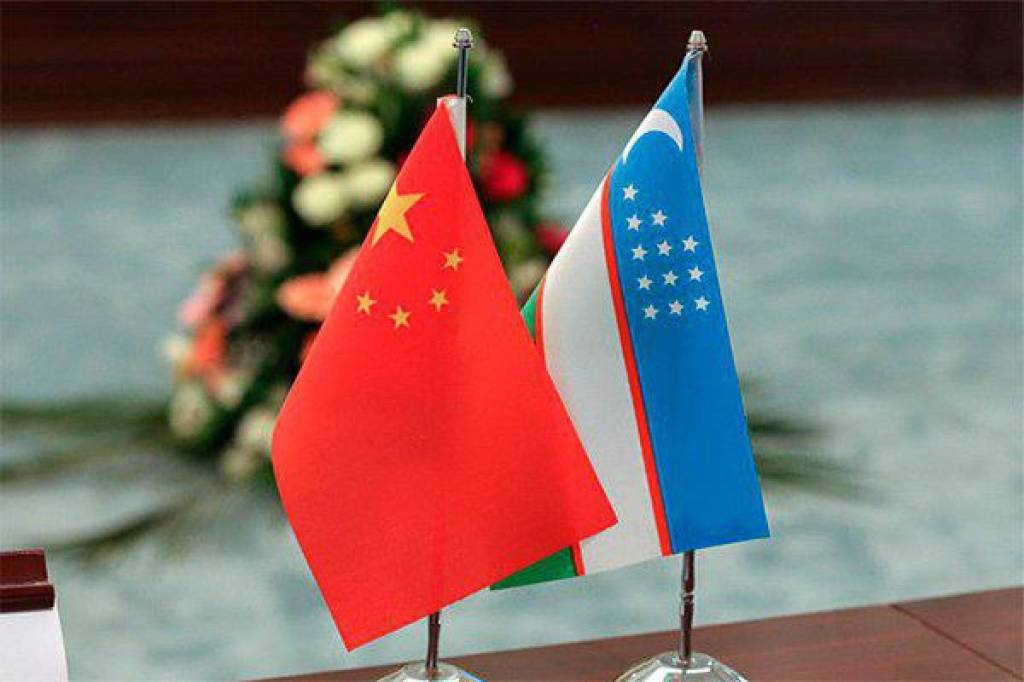
Today, environmental problems are on the agenda not only of one country, but also of the whole world. As in many other areas, Uzbekistan effectively cooperates with China in ecology, environmental protection, and climate change.
According to available information, consistent work has been carried out between the two countries on several projects in this direction. In particular, on November 3, 2007, a Memorandum of Understanding was signed with the State Environmental Protection Administration of China.
In 2019, an agreement was signed between the International Innovation Center of the Aral Sea Basin under the Ministry of Ecology of the Republic of Uzbekistan and the Xinjiang Institute of Ecology and Geography of the Chinese Academy of Sciences to develop a research partnership in the Aral Sea region.
The visit of the Director of China National Sand Control and Desert Industry Society, An Fengjie, to participate in the twenty-first session of the Committee for the Review of the Implementation of the Convention (CRIC 21) to the UN Convention to Combat Desertification (UNCCD) became another important step in strengthening cooperation.
It should be noted that at the meeting between An Fengjie and Minister of Ecology Aziz Abdukhakimov, issues of land degradation and sustainable land use, including the exchange of experience and the implementation of joint research activities in regions of Uzbekistan with a high risk of dust and sand storms, were discussed. Following the meeting, an agreement was reached to establish close cooperation by developing and signing a memorandum on scientific-practical cooperation in combating desertification and land degradation.
In addition, in 2023, representatives of the Ministry of Ecology took part in experience exchange programs in China, which allowed employees to expand their knowledge and skills in this area. Today, cooperation with China continues within international platforms such as the Shanghai Cooperation Organization (SCO) and the Global Snow Leopard and Ecosystem Protection Program (GSLEP). A draft agreement on cooperation in environmental protection is also being developed jointly with China.
Indeed, China is one of the leading countries in implementing environmental projects that help protect fertile soils from the harmful effects of nature. Uzbekistan also has extensive experience in combating desertification and restoring ecosystems.
In particular, according to the Ministry of Ecology, Environmental Protection and Climate Change of the Republic of Uzbekistan, within the framework of the Three-North Shelterbelt Program, the forest area has increased to 33.3 million hectares over the past ten years.
Earlier, an electric vehicle for garbage collection was delivered to Uzbekistan from China for the first time. Issues of constructing environmentally friendly buildings and recycling waste were also discussed with representatives of the Chamber of Commerce and Industry of Uzbekistan and China.
M. Madaminova, UzA