
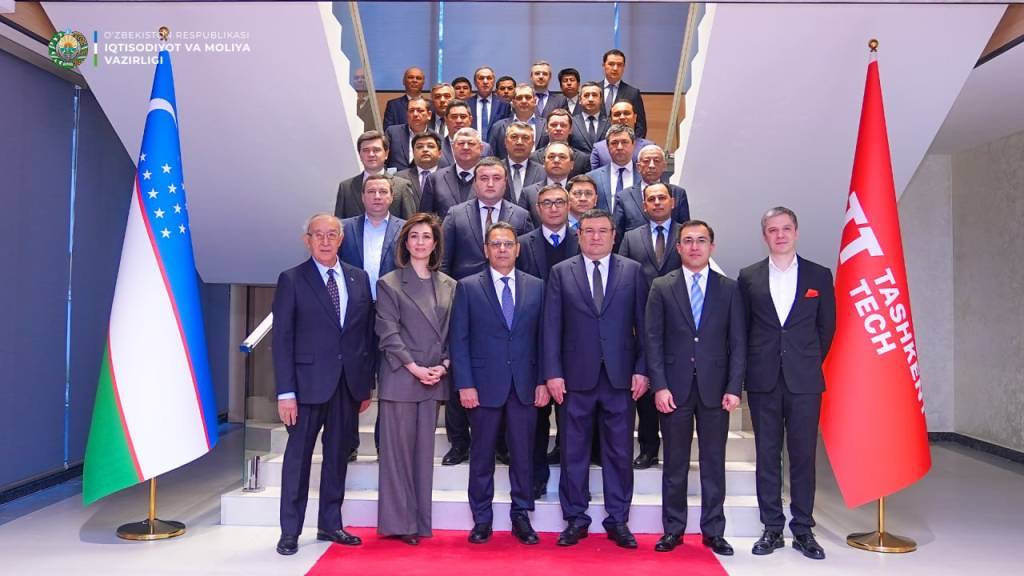
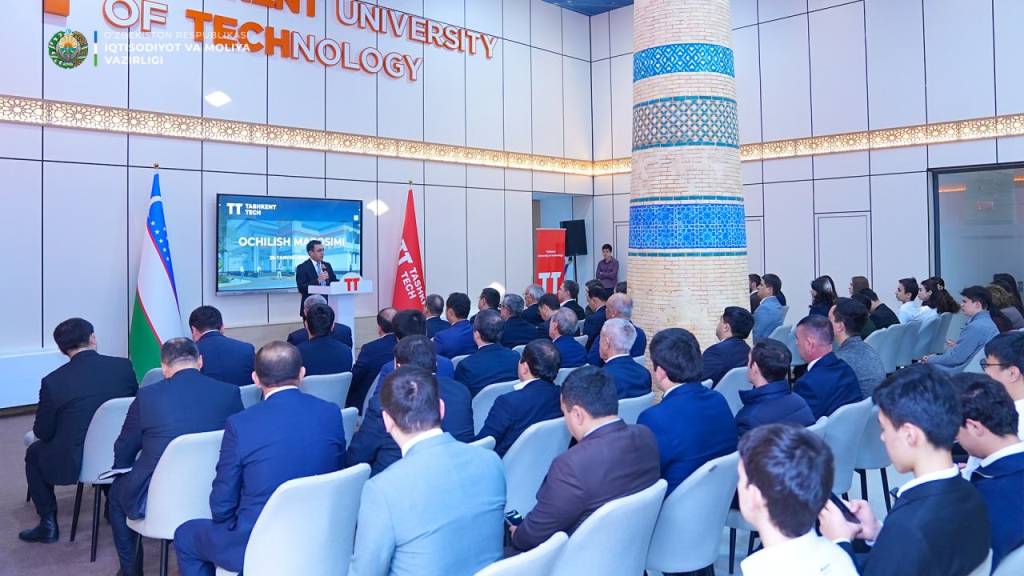
The ToshTech University has opened in Tashkent.
The event was attended by the Minister of Energy of the Republic of Uzbekistan, Jurabek Mirzamakhmudov, Deputy Minister of Economy and Finance Otabek Fozilkarimov, foreign partners – representatives of Constructor University Bremen (Germany) and the Boston Consulting Group (USA), as well as executives of leading companies in the industrial and energy sectors.
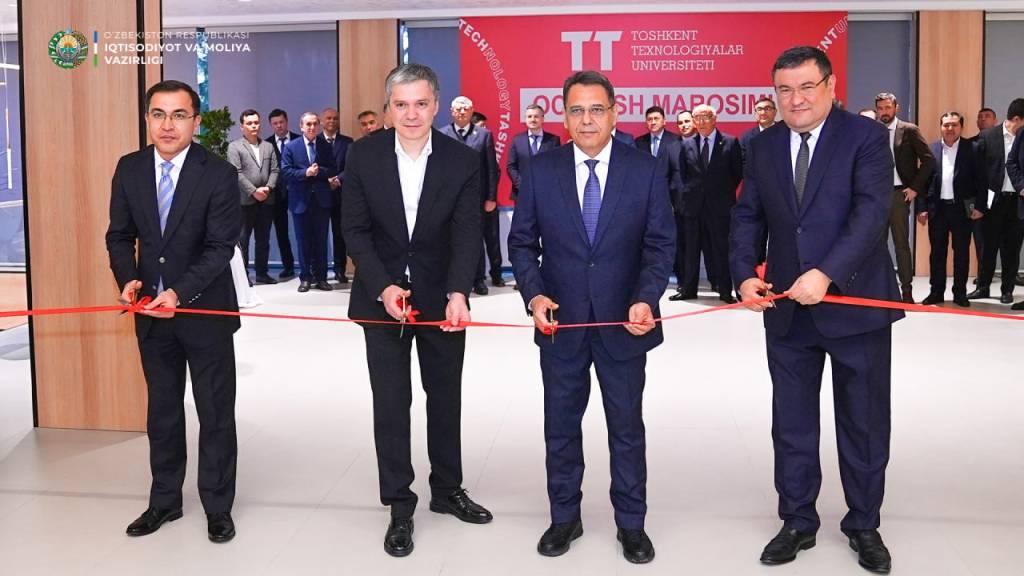
ToshTech is a flagship national project within Uzbekistan’s higher education system, shaping a new model of an engineering university based on academic excellence, applied research, and systematic integration with industry. The university will operate as an institutional platform for STEM fields, technological entrepreneurship, and knowledge and technology transfer. The educational process is planned to be conducted in Uzbek, Russian, and English. During the first four years, five faculties will operate in electrical engineering, industrial and automotive engineering, materials science and engineering, advanced engineering and new technologies, and engineering management.
The university’s foundation program has been developed in collaboration with faculty members from Constructor University Bremen and fully complies with international engineering education standards. This cooperation will ensure the quality of educational programs, assessment, and academic control mechanisms, the training of professors and instructors, and academic exchange.
The university also plans to introduce bachelor’s and master’s programs in partnership with leading higher education institutions in Singapore, the United Kingdom, and the United States.
At the opening ceremony, memoranda of understanding on cooperation were signed between ToshTech and major industrial organizations, including Uzbekistan Technological Metals Plant JSC, ACWA Power, Thermal Power Plants JSC, Yashil Energiya LLC, Regional Electric Networks JSC, National Electric Networks of Uzbekistan, and Uzenergoengineering. Within the framework of this partnership, internships, industrial placements, joint projects, and post-graduation employment opportunities for students are planned.
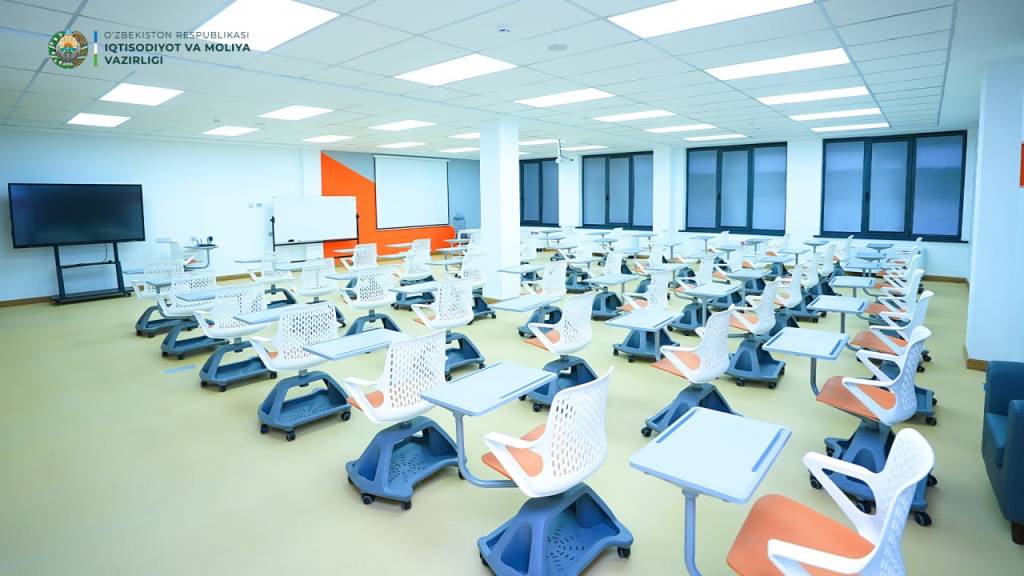
During the initial selection process, more than 650 applications were received, and 200 students were selected. The necessary infrastructure has been created to enable the university to begin full operations in September 2026. The first phase of campus construction was completed in December 2025. Energy-efficient technologies have been used in the university building, including triple-glazed double-chamber windows, basalt insulation for exterior walls, heat pumps, and fan coil units in the heating and cooling system. Solar panels also supply part of the electricity.
Nasiba Ziyodullayeva, UzA