

On May 30, 2024, a significant step was taken in recognizing the importance of the Jadid movement in Uzbekistan’s history. The President of Uzbekistan adopted a resolution, marking the establishment of the State Museum of the Jadid Heritage.
Under the leadership of Shavkat Mirziyoyev, a new era of cultural preservation has dawned. His active initiatives have led to a deep study of the instructive life path of our enlightener ancestors and the popularization of their scientific heritage.
The Jadids, with their noble goals, considered the independence of the Motherland and its freedom to be the highest priority. Their main goals were the eradication of various vices, introducing people to science and education, and introducing the best traditions of advanced countries into the life of our society, a heritage we can all be proud of.
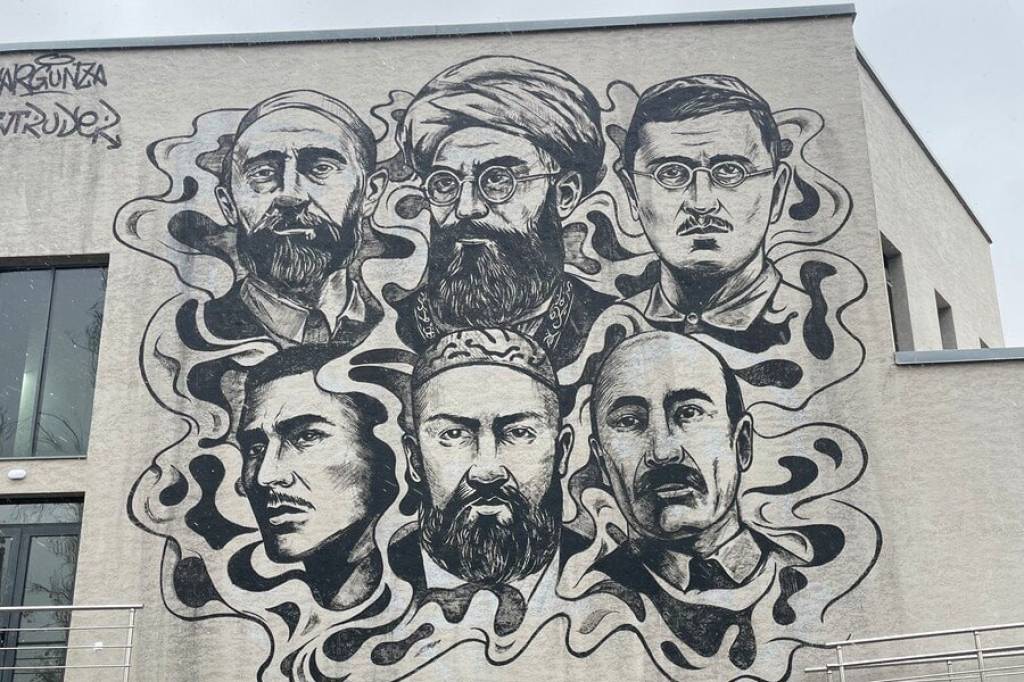
The noble ideas and slogans they promote play an essential role in the reforms currently being implemented in the spiritual sphere, the education system, and the responsible process of the country’s further development.
The Institute of History of the Academy of Sciences of the Republic of Uzbekistan, the Museum of Victims of Repressions, specialized local museums, research teams of higher education institutions in the social and humanitarian fields, scientists, and researchers are engaged in studying Jadidism.
So, what do we know about the Jadids? When it comes to this topic, most of us limit ourselves to listing five or six names, including Behbudi, Munavvar-qori Abdurashidkhonov, Chulpan, Fitrat, Avloni, and Qodiri. Meanwhile, scholars such as Begali Qosimov, Hero of Uzbekistan Ozod Sharafiddinov, Naim Karimov, and many others dedicated their lives to the study of Jadidism.
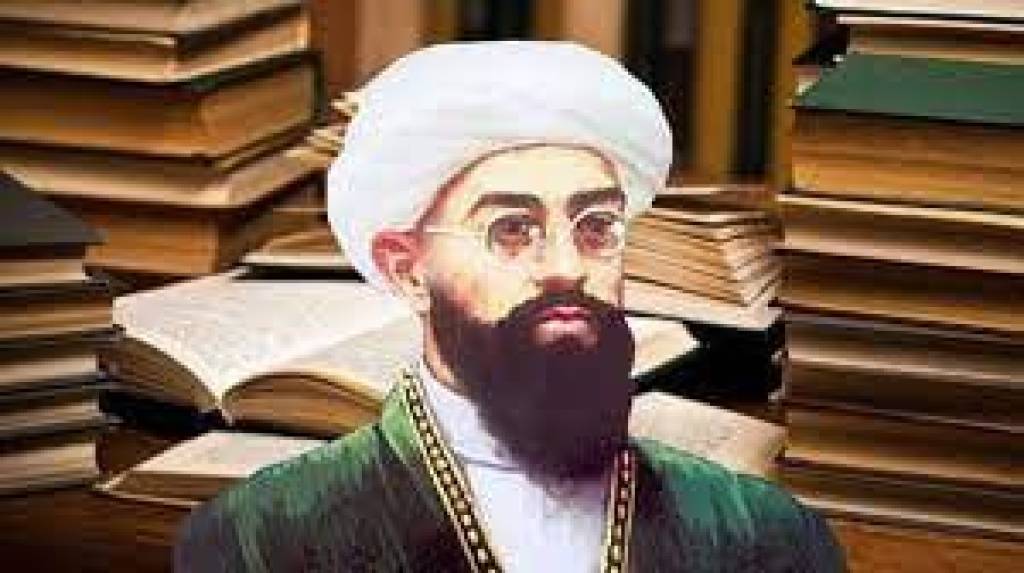
The Resolution of the President of the Republic of Uzbekistan “On the establishment of the State Museum of the Jadid Heritage” plays a vital role in glorifying the activities of our ancestors-enlighteners. According to the document, the museum will be created in a historical place – the Khovli Poyon Complex, located at Bukhara, Khoja Gulrez Street, Building 13. And this is no coincidence. According to scientists, the revolutionary processes that took place in the early twentieth century in Russia, Iran, and Türkiye, and the socio-political activities of educators in the emirate played an essential role in the emergence of the Jadid movement in the homeland of its founder Mahmudkhoja Behbudi – Bukhara. Thus, the Jadids issue is still awaiting numerous studies and incessant searches.
In accordance with the resolution mentioned above, much attention will be paid to identifying, collecting, storing, studying, restoring, copying, and publishing various historical documents from domestic and foreign sources dedicated to the Jadid movement, enriching the museum fund and creating exhibitions on their basis, as well as implementing cultural, enlightenment and scientific research activities; reliable coverage and widespread outreach among the population, especially young people, of the vital role and significance of our ancestors, the Jadid enlighteners in domestic and world history, their contribution to the creation of the spiritual foundations of national independence.
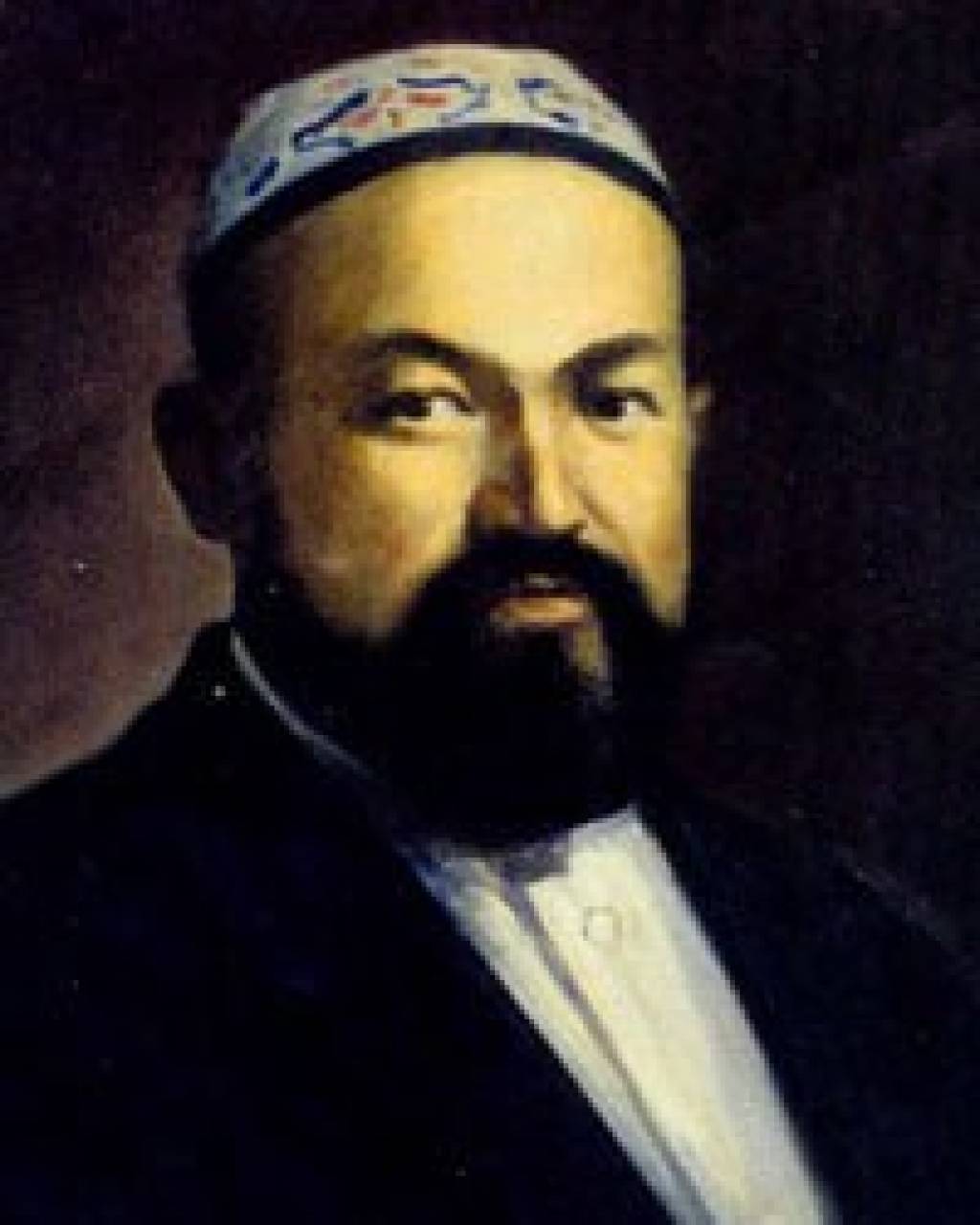
The Academy of Sciences of the Republic of Uzbekistan, the Agency for Information and Mass Communications, the Uzarchive Agency, the Ministry of Higher Education, Science and Innovation, the Cultural Heritage Agency, the Union of Writers of Uzbekistan, the Republican Center for Spirituality and Enlightenment, and the State Museum of Memory of Victims of Repression will take measures to fill the museum being created with collections dedicated to Jadidism, conduct in-depth fundamental and applied research to identify unique books, manuscripts, archival documents and other materials related to the Jadid movement, as well as measures to restore and digitize the identified materials.
At the same time, the Cultural Heritage Agency, as part of the nationwide campaign “My Contribution to the National Heritage”, has been instructed to ensure the practice of acquiring historical materials, objects, and unique photographs dedicated to the Jadid movement from the population. The Ministry of Foreign Affairs will assist the museum in establishing cooperation with various archives, funds, libraries, other scientific and educational institutions, and relevant specialists from foreign countries.
All this will undoubtedly create new opportunities to study and promote our enlightener-ancestors’ lives and noble works.
Nazokat Usmanova, UzA