
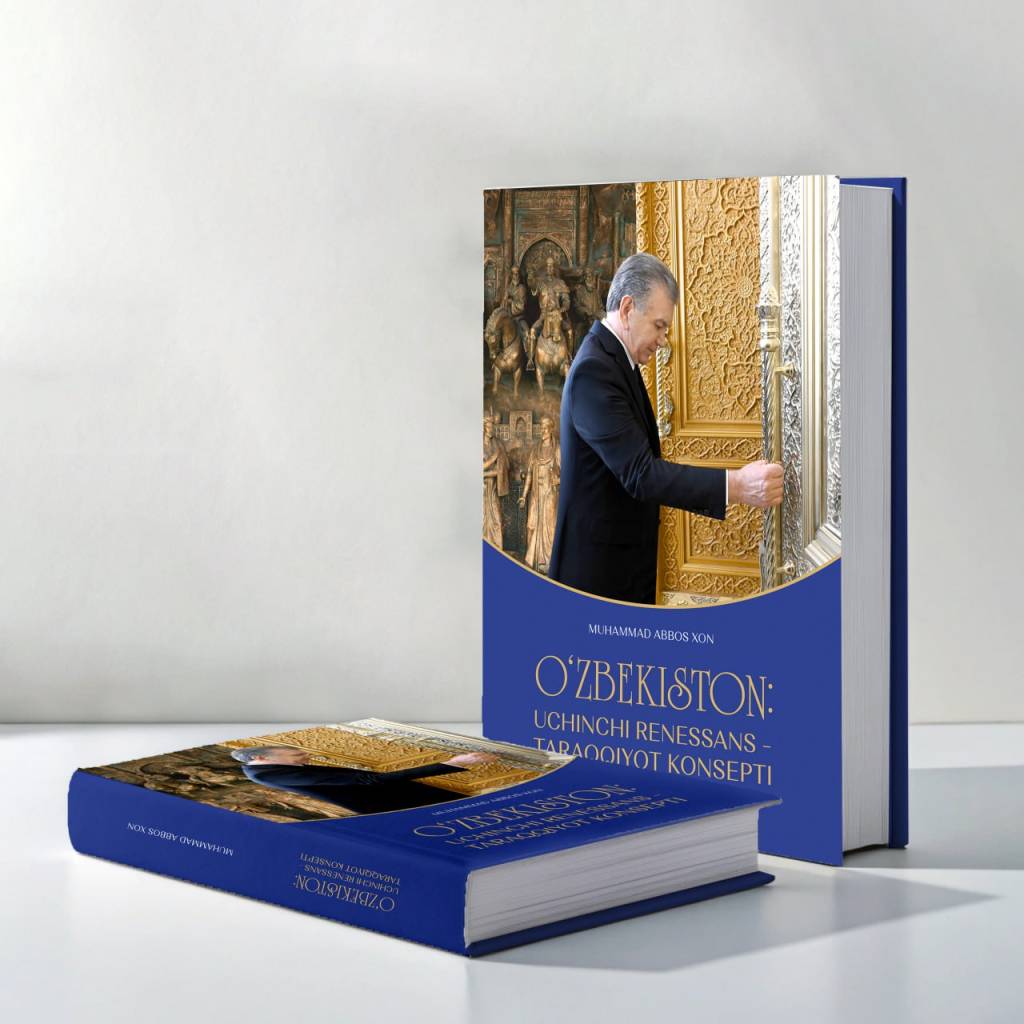
In his Urdu-language book “Uzbekistan: The Third Renaissance – The Concept of the Future”, Pakistani writer Muhammad Abbas Khan presents the idea of building the foundation of the Third Renaissance, put forward by the world-renowned statesman and political leader Shavkat Mirziyoyev, as a project of significant transformation based on values such as cooperation, peace, and dialogue, calling humanity to unity. He also describes it as one of the eternal concepts that does not submit to the passage of time.
A foreword to this work was written by the Prime Minister of Pakistan, Mr. Muhammad Shehbaz Sharif, which represents high recognition by the state and people of Pakistan of our President’s ideas and his wide-ranging global initiatives aimed at fostering cooperation and ensuring security among nations.
It should be noted that President Shavkat Mirziyoyev’s words, “A good deed begins with a good intention”, are interpreted by the author as the philosophical basis of the book. This implies that genuine transformation begins with a person’s aspiration to serve goodness and justice.
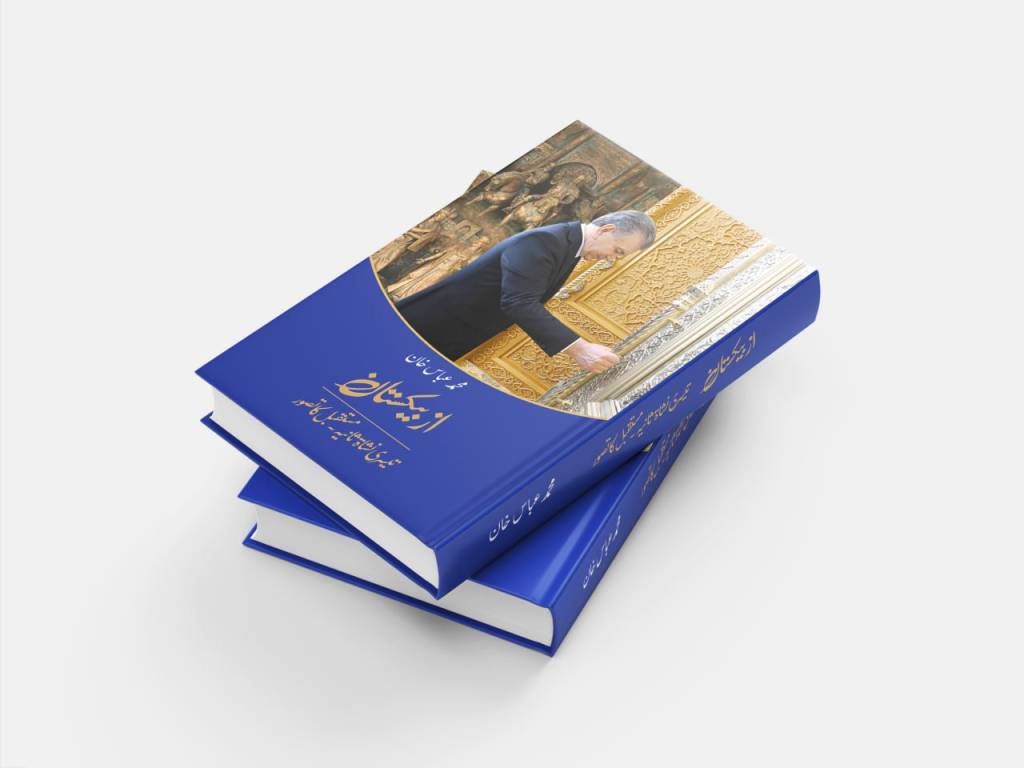
This work reflects the President’s new mode of thinking, grounded in humanism. “In my view”, writes Muhammad Abbas Khan in his book, “there is something more enduring in human history than the existence of a state or an empire. These are great ideas. They are a powerful force capable of changing the course of history and shaping the future. I believe that one such idea is the concept put forward by the President of Uzbekistan, Shavkat Mirziyoyev, to lay the foundation of the Third Renaissance in the country. Indeed, the idea of the Third Renaissance is an eternal concept that defies the passage of time. To me, this idea resembles a mighty river that flows into the boundless ocean of human thought”.
“In my opinion, this idea is not only a foundation for Uzbekistan’s future, but also an innovative model for shaping a new, more harmonious and effective world”, emphasizes the author, Muhammad Abbas Khan.
This book invites the reader to deep reflection: it presents clear examples and real-life events illustrating the country’s leader’s view that history is not a wall but a bridge, and that the future is not a field of rivalry but a space for cooperation.
The work also offers numerous historical examples related to Uzbekistan’s more than 3,000-year experience in the development of national statehood.
It should be emphasized that this book can serve not only as a source of mutual understanding, but also as a key to a deeper understanding of the reforms being implemented in Uzbekistan.
According to Pakistani politicians and academic experts, this work by writer Muhammad Abbas Khan and the ideas and interpretations presented in it are highly regarded not only in Pakistan, but also in Europe and other countries.
The book “Uzbekistan: The Third Renaissance – The Concept of the Future” has now also been prepared for publication in Uzbek.
UzA